
Abandoned Cargo: Control Storage Costs Without Losing the Evidence
Establish its location, condition, contractual parties and legal release status before deciding what to do.
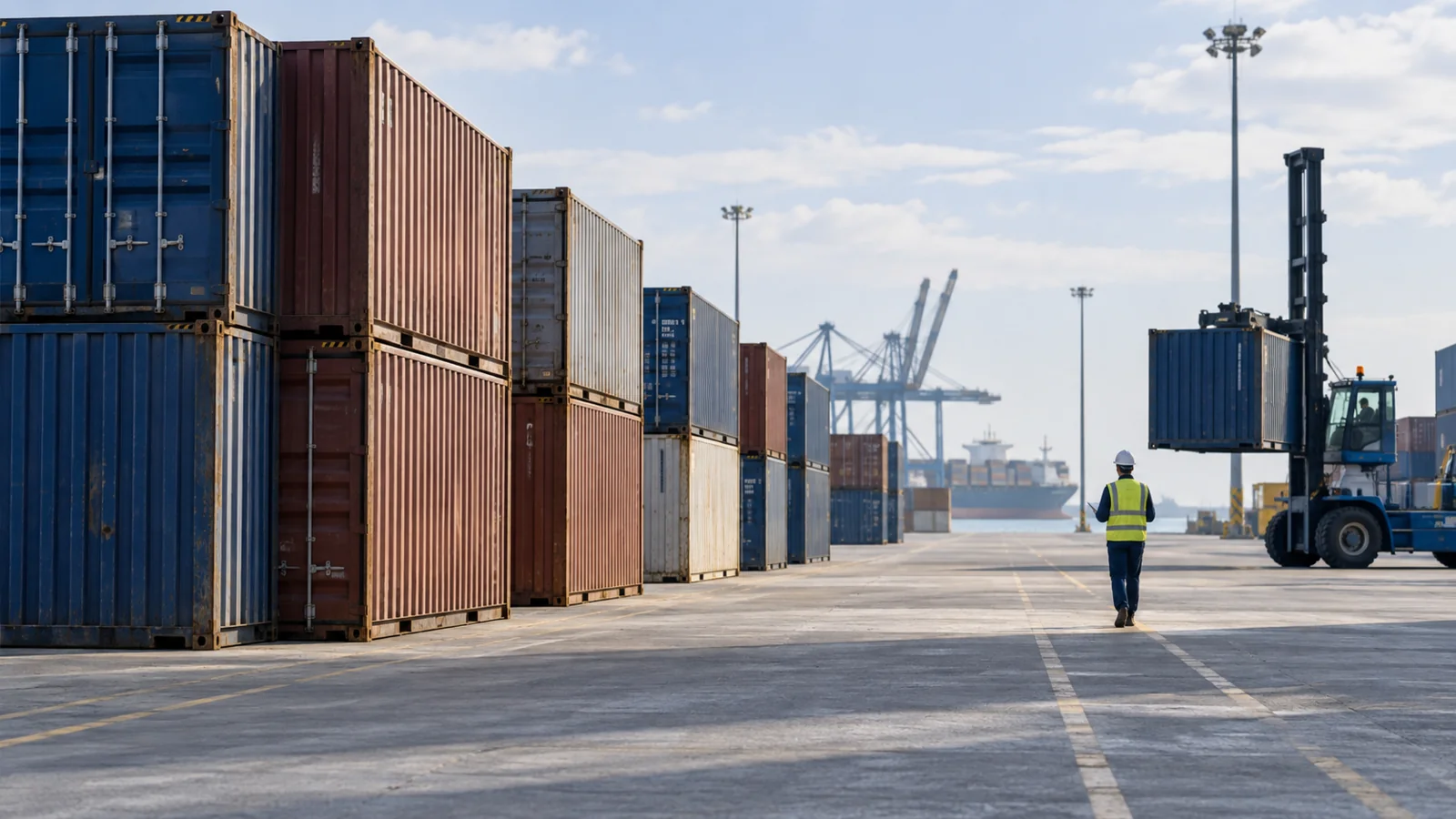
AI-generated editorial illustration.
What should happen when cargo appears abandoned?
Establish its location, condition, contractual parties and legal release status before deciding what to do. Keep charges and authority communications under review, and obtain appropriate advice on permitted actions. A consignee's silence does not automatically authorise sale or destruction, and ordinary cargo insurance should not be assumed to pay every accumulating cost.
Confirm the problem before choosing a remedy
TT Club's cargo-abandonment guidance discusses a problem that can expose transport businesses to continuing expenses. The response depends on contracts, goods, local law and authorities; a generic disposal checklist cannot replace that assessment.
Distinguish an unreachable consignee from a disputed sale, customs restriction, insolvent buyer or deteriorating shipment. Record contact attempts. Confirm who holds transport documents and who can lawfully give instructions. A commercial employee's willingness to act does not establish the necessary authority.
| Immediate question | Information needed | Why it matters |
|---|---|---|
| Where are the goods? | Terminal or warehouse confirmation | Establishes custody and costs |
| What is their condition? | Safe inspection or qualified report | Identifies urgent mitigation |
| Why are they uncollected? | Buyer, carrier and customs communications | Changes possible remedies |
| Who can instruct? | Contract and document review | Prevents unauthorised release |
| What costs continue? | Current tariffs and invoices | Supports an informed decision |
Delay can make the problem more expensive
A fictional importer refuses delivery after the market price falls. Cargo remains in a terminal while the exporter repeatedly requests payment. Charges continue, but nobody checks whether a return, alternative buyer or another lawful arrangement is feasible. The commercial dispute and custody problem have become entangled.
Create a dated decision log with realistic options, required consents and expected costs. Seek insurer input where an insured loss may be involved, alongside legal, carrier and customs advice. An insurer's discussion is not permission from the cargo owner or authority.
Evidence damage and expenses separately
Goods may be undamaged despite abandonment, or deteriorate during a prolonged hold. Record condition and timeline rather than assuming abandonment establishes an insured peril. Packing, storage duration, delay and other provisions may affect coverage.
Retain notices, inspection findings, disposal permissions, sale proceeds and expense invoices. An authorised sale or destruction should be documented by quantities, condition and the basis for action. This evidence can matter to several parties, not only the insurer.
Read the storage and cargo guide, explore marine cargo cover, or discuss a planned transport arrangement before future shipments.
Key takeaways
- Establish ownership, authority and custody before release or disposal.
- Track continuing charges and document mitigation options.
- Separate abandonment, physical damage and contractual expenses.
Frequently asked questions
What should happen when cargo appears abandoned?
Establish its location, condition, contractual parties and legal release status before deciding what to do. Keep charges and authority communications under review, and obtain appropriate advice on permitted actions. A consignee's silence does not automatically authorise sale or destruction, and ordinary cargo insurance should not be assumed to pay every accumulating cost.
Sources & further reading
General information, not a coverage determination or offer. Actual cover is subject to policy wording, insurer terms, underwriting and applicable law.