

Oil & Gas
Methanol-Fuelled Ships: Underwriting the Fuel-System Change
Describe the actual fuel-system design, operating profile, approvals, supply arrangements and crew preparation, rather than changing only the vessel's fuel label.
Read guide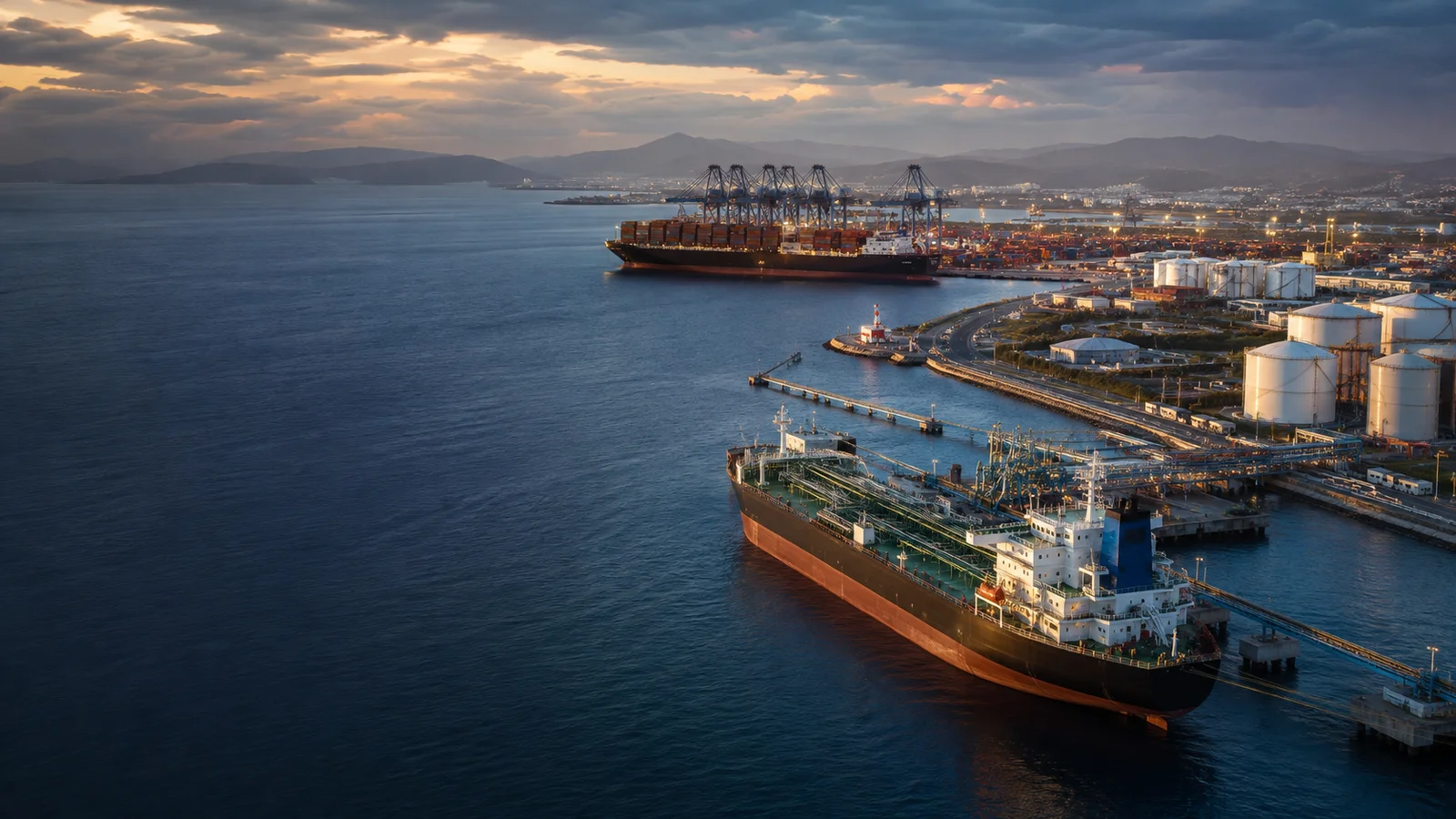
Marine insurance guides, shipping risk insights and practical information for vessel owners, operators and cargo businesses.
Showing 1–20 of 150 blogs · Page 1 of 8
Describe the actual fuel-system design, operating profile, approvals, supply arrangements and crew preparation, rather than changing only the vessel's fuel label.
Read guide
IMO has scheduled a technical seminar on ammonia as marine fuel for 17 September 2026.
Read guide
A bunker adjustment factor is a freight-pricing mechanism associated with fuel costs.
Read guide
A carrier's carbon-related surcharge is a contractual charge, not necessarily a single price prescribed for every shipment by a regulator.
Read guide
Cargo misdelivery concerns delivery to a party not entitled to receive the goods under the applicable arrangement.
Read guide
Verify changed payment instructions through an independently established contact channel before sending funds.
Read guide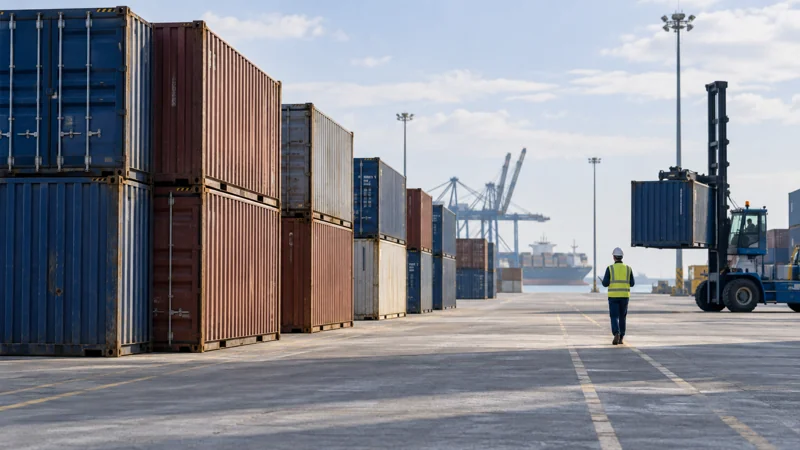
Establish its location, condition, contractual parties and legal release status before deciding what to do.
Read guide
Track policy notification, carrier notice and the deadline for commencing appropriate legal proceedings separately.
Read guide
Marine delay in start-up insurance can address agreed financial losses when an insured cargo event delays a project's commencement, subject to the wording.
Read guide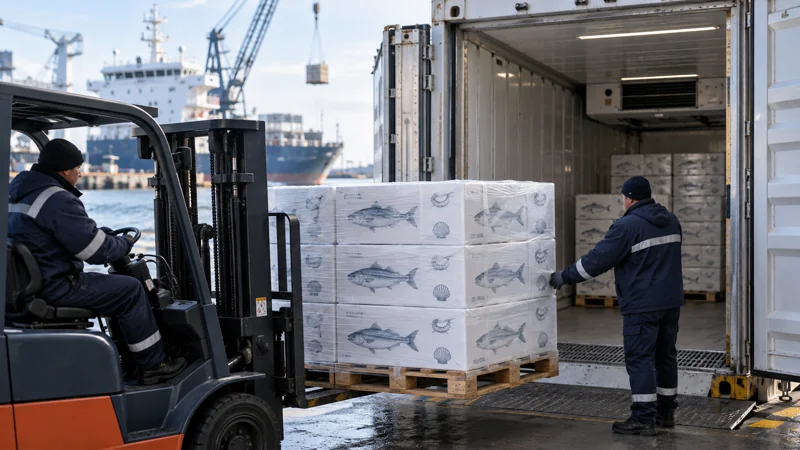
Separate delivery delay, evidence of physical deterioration and food-safety disposition.
Read guide
A temperature excursion is evidence requiring investigation, not automatic proof that the product is unusable or that insurance responds.
Read guide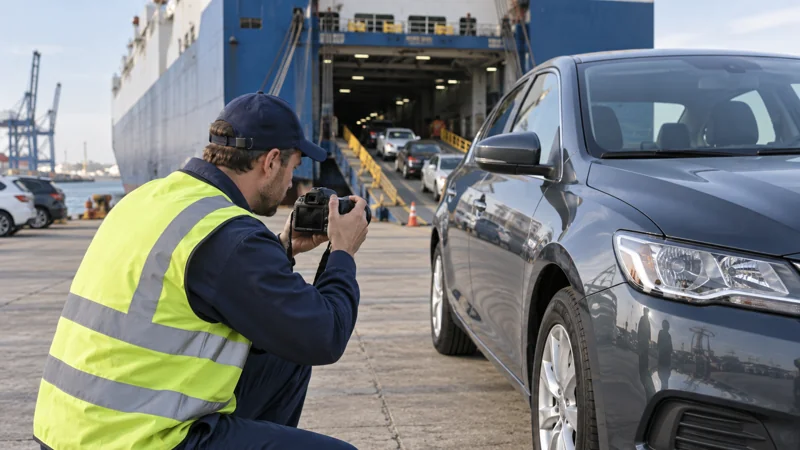
Record the vehicle's identity, agreed valuation, existing condition, collection point and complete transport arrangement before it moves.
Read guide
Start with the battery's identity, chemistry, configuration, condition and manufacturer documentation, then obtain a competent assessment under the applicable sea-transport rules.
Read guide
A dangerous goods declaration should accurately describe the consignment under the applicable transport rules and agree with the cargo, packaging and booking information.
Read guide
An ISPM 15 mark relates to the phytosanitary treatment and identification of regulated wood packaging.
Read guide
Establish where moisture came from, how the goods and packing were prepared, and what conditions they experienced during transit.
Read guide

Compare the actual handling and custody chain, not only the freight price or the amount of container space purchased.
Read guide
Work backwards from the goods' required delivery date through receiving capacity, sailing options, document cut-offs, inland collection and factory readiness.
Read guide
A certificate or other accepted proof of origin supports an origin claim under the applicable trade rules; it does not prove that goods are undamaged, properly insured or cleared for every destination.
Read guide