
Marine Insurance Enquiries Involving Iranian-Linked Shipping: What Applicants Should Know
Prepare the ownership, voyage, cargo and payment information needed for an Iranian-linked enquiry without assuming that cover can be offered.
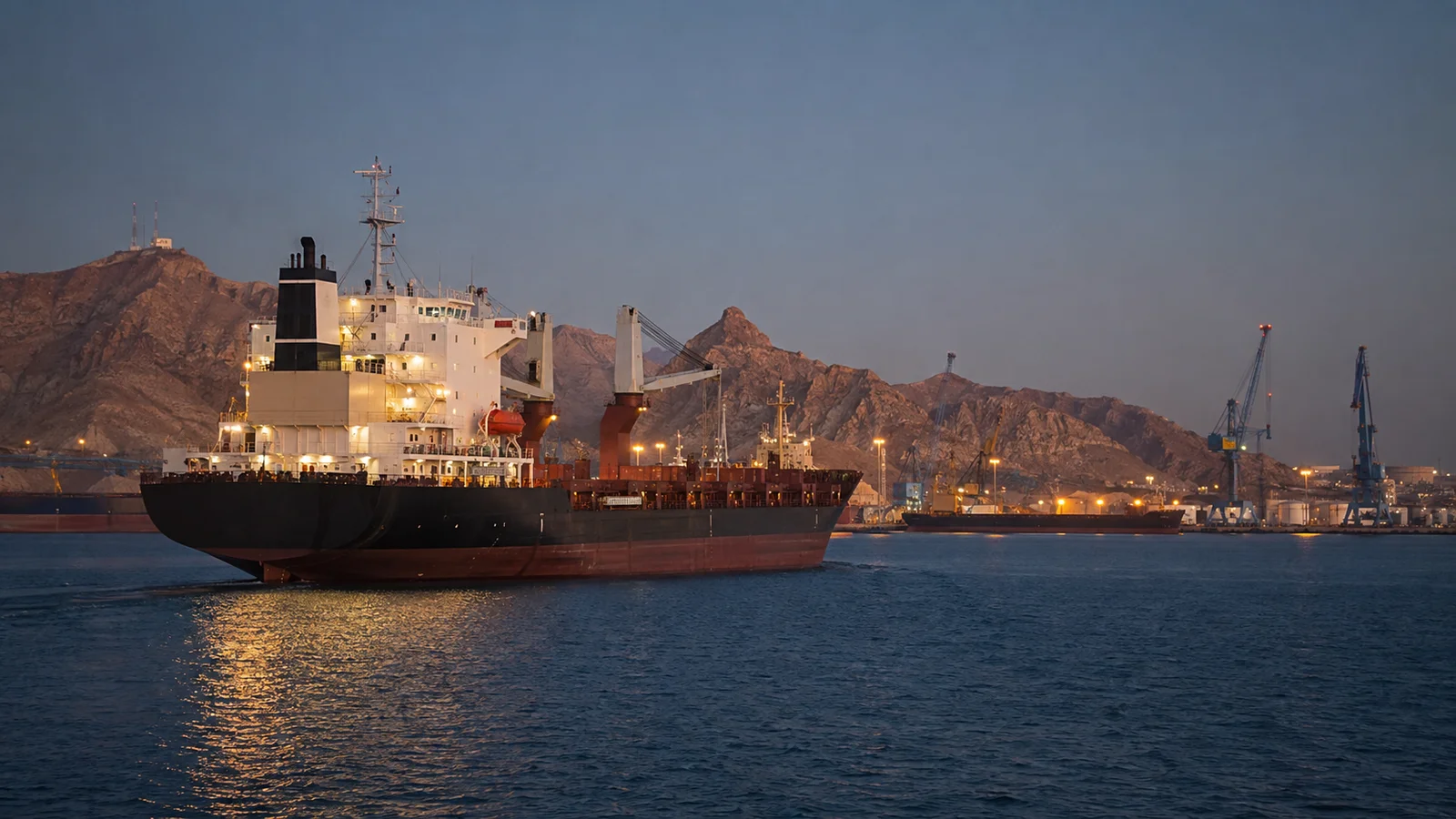
AI-generated editorial illustration.
Iranian-linked shipping enquiries require careful definition of the parties and activity involved. An Iranian port call, a cargo connection, an ownership relationship and a proposed payment through a particular bank are different facts. They should be described accurately rather than combined into a vague statement that a vessel is “Iran-related.”
MarineEnergyCover’s specified workflow places Russian- and Iranian-linked applications into enhanced compliance review, with senior approval required before quote issuance. That process allows an enquiry to be considered; it does not promise acceptance, lawful eligibility or access to insurance capacity.
Explain the connection at the beginning
Start with the applicant’s legal name, role, company jurisdiction and contact. Identify the vessel by name and IMO, then explain registered ownership, beneficial ownership, control, operation, technical and commercial management and chartering arrangements where relevant.
Describe the proposed cargo and voyage, including origin, destination, ports and counterparties. State whether the vessel nomination and dates are final. If the connection is historical rather than part of the current proposal, give dates and supporting evidence so the reviewer can understand that distinction.
Avoid substituting abbreviations or trading names for the legal entities named in contracts. Consistent names across the application, invoice, charter documentation and payment records make the review more reliable. Where names legitimately differ, explain why.
Use current primary guidance, not a remembered rule
UK Government: Iran sanctions statutory guidance describes the UK framework, including financial, trade and transport measures and the relevant licensing arrangements. Its existence is not a determination that a particular insurance service is permitted. The applicable regimes, activity and jurisdictional connections require case-specific assessment.
Sanctions analysis is not limited to whether a vessel appears on a list. Nor does the absence of a prohibition identified by an applicant compel an insurer to offer cover. Legal review, provider policies, underwriting authority and technical risk remain separate parts of the decision.
This article intentionally gives no list of currently eligible vessels, approved banks or automatically permitted cargoes. Such statements could be misleading without the full transaction and current rules. Obtain qualified advice when a legal interpretation is necessary.
Prepare a clear evidence file
Arrange the file around questions: who owns and controls the vessel, who operates it, what moves, where it moves and how the relevant services will be paid. Include dated records and identify the issuing source. Keep originals alongside translations or explanatory summaries.
If a licence or exception is relevant, provide the actual document and explain the activity for which reliance is proposed. Reviewers must assess scope, dates, conditions and parties. Do not assume that permission concerning a cargo automatically extends to every related financial or insurance service.
Where an applicant cannot obtain a document, explain the gap. An honest statement of uncertainty is preferable to an unsupported assurance that “all paperwork is complete.” The missing information may still prevent progress, but it can be addressed directly.
A fictional cargo-enquiry example
A trader submits a cargo application with a non-Iranian load port and describes the shipment as ordinary manufactured goods. A later document identifies a different seller and an Iranian connection within the transaction. The review should pause to establish the actual goods, parties and commercial chain.
The appropriate next step is clarification with supporting records, not rewording the application to remove the connection. A senior reviewer may need specialist advice and may conclude that the platform cannot proceed. Alternatively, further information may answer a particular question while leaving other underwriting issues unresolved.
The example illustrates why accurate transaction descriptions matter. It is not a suggestion to change routing, paperwork or counterparties to avoid restrictions.
Allow time for independent decisions
Priority handling can help staff identify urgent questions, but it cannot remove required review. Give the expected voyage date and a realistic contact for follow-up. Identify who can authorize disclosure of company documents and who can answer cargo or chartering questions.
Keep commercial commitments separate from insurance expectations. An application reference, a customer-service reply or an indicative calculation is not a quote or a binding instruction. Do not send funds on the assumption that payment will resolve a compliance hold.
When facts change, notify the responsible team. A different vessel, cargo owner, bank or port can require the earlier assessment to be revisited. Retain the previous version so that reviewers can understand both the original proposal and the amendment.
What to request from the platform
Ask which information is required for the next review stage and how to transmit it securely. Request clarification of whether a matter is pending compliance, technical underwriting or additional documents. These are useful status questions; asking the assistant to guarantee eligibility is not.
The sanctions and compliance page should explain the process and routes for human contact. Any available quotation must be assessed on its own terms, including insurer, cover, restrictions and expiry. Coverage remains subject to applicable law, underwriting, capacity and the agreed policy; no general website explanation overrides those requirements.
Frequently asked questions
Can the platform accept an enquiry even if the risk needs enhanced review?
Yes, the specified workflow can record an enquiry and request evidence. Recording it is not acceptance of the insurance risk or confirmation that any restricted service can lawfully be provided.
Does a cargo description settle sanctions eligibility?
No. Cargo details are part of a wider assessment involving parties, services, route, ownership, control and applicable jurisdictions. Provide accurate information and leave the legal determination to qualified reviewers.
Can the AI assistant approve an Iranian-linked application?
No. The assistant can explain the process and offer human escalation. Senior compliance and authorized underwriting decisions remain necessary before any relevant quote or binding step.
Related reading
- Insurance enquiries involving russian linked vessels
- Why sanctions screening matters in marine insurance
- Why vessel ownership and control matter to marine underwriters
Sources and editorial review
Prepared by the MarineEnergyCover editorial desk. Updated 7 September 2026. Expert and, where relevant, compliance review are pending; no reviewer has been appointed. Examples are fictional and explain questions to investigate, not coverage decisions. Sources provide general context and do not describe MarineEnergyCover’s capacity, authority or policy terms. Insurance availability remains subject to underwriting, applicable law and the agreed contract.
Frequently asked questions
Can the platform accept an enquiry even if the risk needs enhanced review?
Yes, the specified workflow can record an enquiry and request evidence. Recording it is not acceptance of the insurance risk or confirmation that any restricted service can lawfully be provided.
Does a cargo description settle sanctions eligibility?
No. Cargo details are part of a wider assessment involving parties, services, route, ownership, control and applicable jurisdictions. Provide accurate information and leave the legal determination to qualified reviewers.
Can the AI assistant approve an Iranian-linked application?
No. The assistant can explain the process and offer human escalation. Senior compliance and authorized underwriting decisions remain necessary before any relevant quote or binding step.
Sources & further reading
General information, not a coverage determination or offer. Actual cover is subject to policy wording, insurer terms, underwriting and applicable law.