
Marine Insurance for Persian Gulf Trading Risks
How to present Gulf voyages, port calls, cargo operations and changing schedules for coordinated marine insurance review.
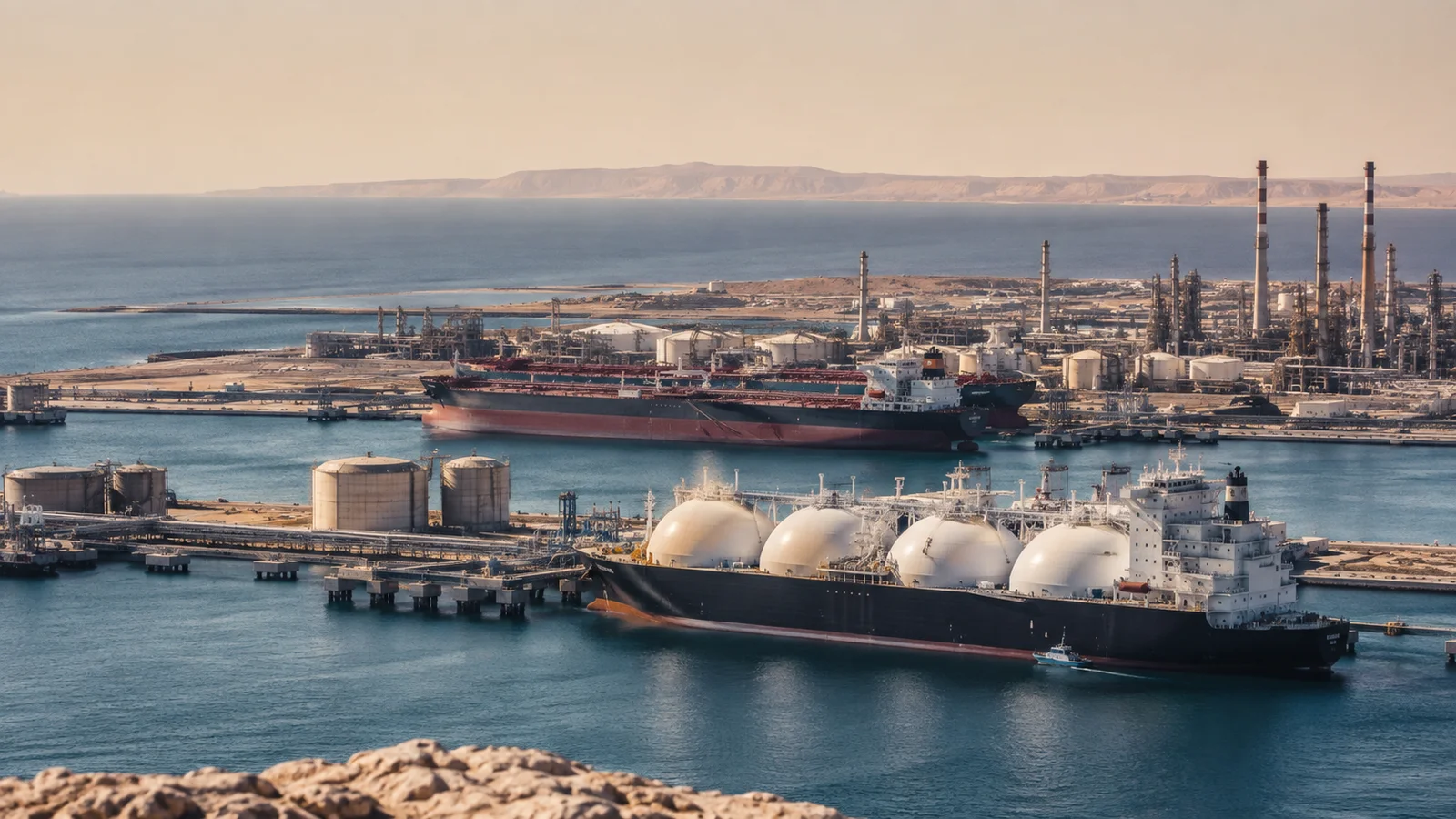
AI-generated editorial illustration.
Persian Gulf trading can involve vessel ownership, chartering, cargo interests and shore operations across several jurisdictions. The phrase “Gulf cover” is too broad to describe those exposures reliably. An application should explain the actual vessel, cargo, ports, counterparties and planned period so that each insurance interest can be considered on its merits.
This guide focuses on preparing that information. It does not identify safe routes, predict security developments or establish that a particular trade is lawful or insurable. The region is also described as the Arabian Gulf; whichever term a business uses, the policy’s actual geographic description controls.
Start with a map of the commercial activity
Set out the load port, discharge port, intermediate calls, expected anchorages and transit through surrounding waters. Distinguish a single voyage from a recurring trading pattern. Include operations such as lightering, bunkering or offshore transfers when they form part of the proposed risk.
Then identify the business’s role. A registered owner insuring the hull has different interests from a time charterer arranging liability protection or a trader insuring a parcel of cargo. One organization can hold several roles, but they should be described separately rather than compressed into the label “shipping company.”
For fleets, show which vessels trade in the area and how often. A worldwide fleet schedule does not necessarily explain the concentration of values at one terminal or anchorage.
Separate ordinary marine exposures from war-related interests
Hull damage, cargo damage and liabilities arising from ordinary operations should be considered alongside any requested specialist war protection. Policy exclusions, limits and endorsements determine how those arrangements interact. Do not assume that a territorial endorsement removes unrelated exclusions.
Request clarity on the interests to be considered: hull war, cargo war, war P&I where available, additional voyage premium arrangements or other expressly identified exposures. Terms and capacity can differ between them. The Strait of Hormuz page addresses an important transit component, but it does not replace a full description of the wider trading activity.
IMO: Middle East and Strait of Hormuz provides an official reference point for developments and maritime information concerning the area. Operational teams should use current notices and their professional risk assessment, not interpret an insurance article as passage guidance.
Explain cargo and terminal interfaces
For oil, chemicals or gas, identify the product accurately, its value, quantity and relevant handling requirements. Distinguish ownership of the goods from responsibility for the carrying vessel. Where documents are provisional, mark them accordingly and provide final versions when available.
Show when and where custody transfers. A berth operation, temporary storage period or further movement by another mode can create questions outside a simple port-to-port description. The cargo application should explain whether those stages need consideration and who arranges them.
Do not describe every bulk liquid as crude oil. An accurate product description supports both underwriting and compliance review. It also helps prevent a policy schedule from referring to goods different from those actually shipped.
A fictional recurring-trade example
A tanker operator requests annual cover for a regional programme. Its initial schedule lists three vessels and two ports. A follow-up discussion reveals that one ship regularly waits several days offshore, while another may be substituted at short notice. A cargo customer sometimes changes the discharge destination after loading.
The useful submission therefore needs more than annual turnover. It should explain substitution procedures, maximum values, expected waiting periods and how changed voyage orders will be communicated. The resulting quotation may still require voyage declarations or prior agreement for certain movements.
The lesson is organizational: an annual policy should be matched to the way the business actually trades. It does not mean an annual arrangement automatically accepts every future nomination.
Keep legal and payment questions visible
Different jurisdictions, counterparties and banks can require separate legal analysis. A local agent’s assurance that a call is routine does not resolve the obligations of an insurer or payment provider. Disclose relevant ownership, management and trading associations, and allow time for enhanced review where necessary.
If a transaction changes, preserve the original and updated documents. Explain the commercial reason rather than overwriting the earlier version. The underwriting and compliance teams need a coherent record, especially where several companies share similar names.
Turn the submission into an operating checklist
Assign responsibility for vessel data, cargo declarations, schedule changes and insurance documents. Keep the current quote, endorsements and binding confirmation together, with the policy’s exact period and territorial terms. Ensure staff know which changes require referral before implementation.
For an initial enquiry, provide a concise voyage summary and request only the cover relevant to your role. Additional supporting documents can follow through a secure channel. Coverage is subject to insurer terms, exclusions, capacity, underwriting and applicable law; submitting regional business information does not itself obtain cover.
Frequently asked questions
Does a worldwide trading description include every Gulf voyage?
It must be read with the rest of the policy, including exclusions, territorial restrictions and any declaration requirements. Obtain written clarification for the intended activity instead of relying on the word worldwide.
Should a cargo owner supply vessel information?
Where known and relevant, vessel name and IMO help connect the cargo movement to the proposed voyage. Explain whether vessel nomination is final and how substitutions will be advised.
Can one application cover an entire regional programme?
An initial programme application can describe the overall business, but individual interests, vessels or voyages may need additional review. The insurer decides the structure and any declaration conditions.
Related reading
- Marine war risk insurance for red sea voyages
- Why vessel ownership and control matter to marine underwriters
- How transshipment affects marine cargo insurance
Sources and editorial review
Prepared by the MarineEnergyCover editorial desk. Updated 7 September 2026. Expert and, where relevant, compliance review are pending; no reviewer has been appointed. Examples are fictional and explain questions to investigate, not coverage decisions. Sources provide general context and do not describe MarineEnergyCover’s capacity, authority or policy terms. Insurance availability remains subject to underwriting, applicable law and the agreed contract.
Frequently asked questions
Does a worldwide trading description include every Gulf voyage?
It must be read with the rest of the policy, including exclusions, territorial restrictions and any declaration requirements. Obtain written clarification for the intended activity instead of relying on the word worldwide.
Should a cargo owner supply vessel information?
Where known and relevant, vessel name and IMO help connect the cargo movement to the proposed voyage. Explain whether vessel nomination is final and how substitutions will be advised.
Can one application cover an entire regional programme?
An initial programme application can describe the overall business, but individual interests, vessels or voyages may need additional review. The insurer decides the structure and any declaration conditions.
Sources & further reading
General information, not a coverage determination or offer. Actual cover is subject to policy wording, insurer terms, underwriting and applicable law.