
Port Strike Shipping Delays: Storage and Diversion Decisions
Confirm the affected terminal, service and dates, then identify where the goods will remain and what alternatives are actually available.
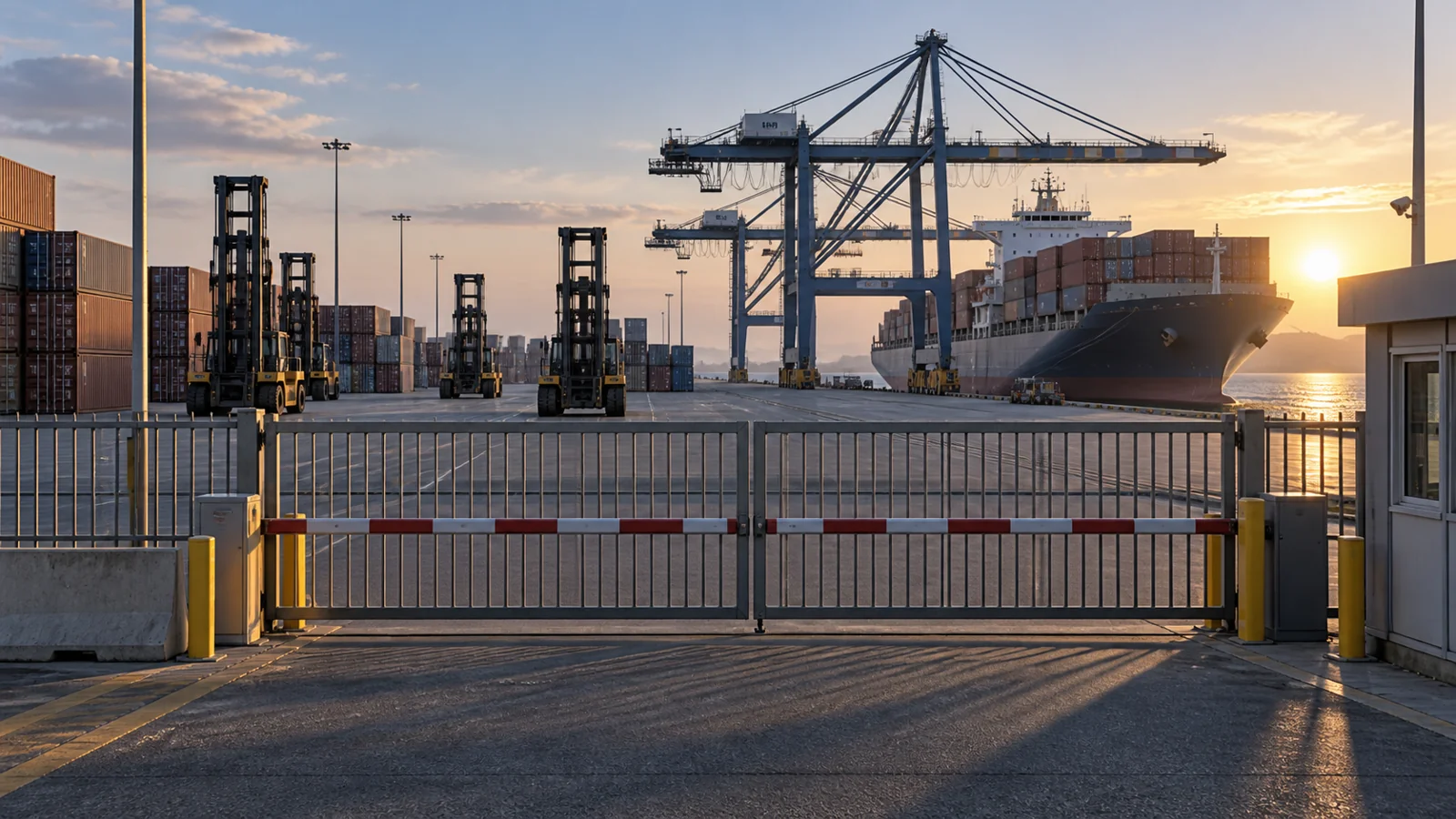
AI-generated editorial illustration.
What should cargo owners do when a port strike disrupts a shipment?
Confirm the affected terminal, service and dates, then identify where the goods will remain and what alternatives are actually available. Review custody, storage conditions, free time and any proposed diversion before issuing instructions. Industrial action can cause commercial delay without physical damage, and the insurance response depends on the actual policy and cause of loss.
Verify the scope of the disruption
Use the terminal or carrier's current notice, not a headline that treats an entire country as closed. A stoppage affecting one shift, operation or facility may have different consequences from a complete shutdown. Record the notice version, expected impact and the person responsible for providing the next update.
The Federal Maritime Commission's detention and demurrage resources are a relevant reference for U.S. charging issues. They do not create a universal waiver for every strike-related cost worldwide. The applicable contract and jurisdiction still need to be identified.
Compare waiting with a diversion
| Option | Questions before approval |
|---|---|
| Keep goods at origin | Are storage and buyer requirements manageable? |
| Leave cargo in the terminal | What protection and charging arrangements continue? |
| Use another port | Is space confirmed and onward transport available? |
| Move to a warehouse | Who approves the location and custody terms? |
| Change transport mode | Are packing, documents and cover suitable? |
Obtain costs on a comparable basis, including additional handling and the final delivery leg. An alternative discharge port may look attractive until inland capacity, customs arrangements and receiving access are considered. Record which party has authority to change the contract of carriage.
A fictional decision under time pressure
A retailer's seasonal stock is offered discharge at another port. The buyer wants immediate approval, but its local haulier cannot collect there and the goods would need temporary storage. The importer should resolve those handovers before accepting the diversion. An unworkable inland plan can replace one delay with another.
Use a written decision log showing the options available, their assumptions and the reason for the choice. If approval is obtained from an insurer, retain the actual scope and conditions rather than treating a general acknowledgement as an unrestricted extension.
Claims depend on more than the strike notice
If goods are damaged, preserve condition records and investigate the cause. If the loss is solely late delivery or extra expense, examine whether any specific cover responds rather than assuming ordinary cargo insurance will do so. Strike-related wording can require careful interpretation; the operational event's name does not settle the coverage question.
Read the transit and storage interface guide, review cargo insurance information, and provide the proposed location and onward movement for assessment.
Key takeaways
- Verify the terminal and operation affected.
- Test every alternative through to final delivery.
- Keep cost, custody and insurance approvals in writing.
Frequently asked questions
What should cargo owners do when a port strike disrupts a shipment?
Confirm the affected terminal, service and dates, then identify where the goods will remain and what alternatives are actually available. Review custody, storage conditions, free time and any proposed diversion before issuing instructions. Industrial action can cause commercial delay without physical damage, and the insurance response depends on the actual policy and cause of loss.
Sources & further reading
General information, not a coverage determination or offer. Actual cover is subject to policy wording, insurer terms, underwriting and applicable law.