
Suez Canal Marine Insurance: Transit, Delay and Deviation Questions
Assess the vessel, voyage, cargo and relevant contractual interests under the actual hull, P&I, cargo and any interruption policies.
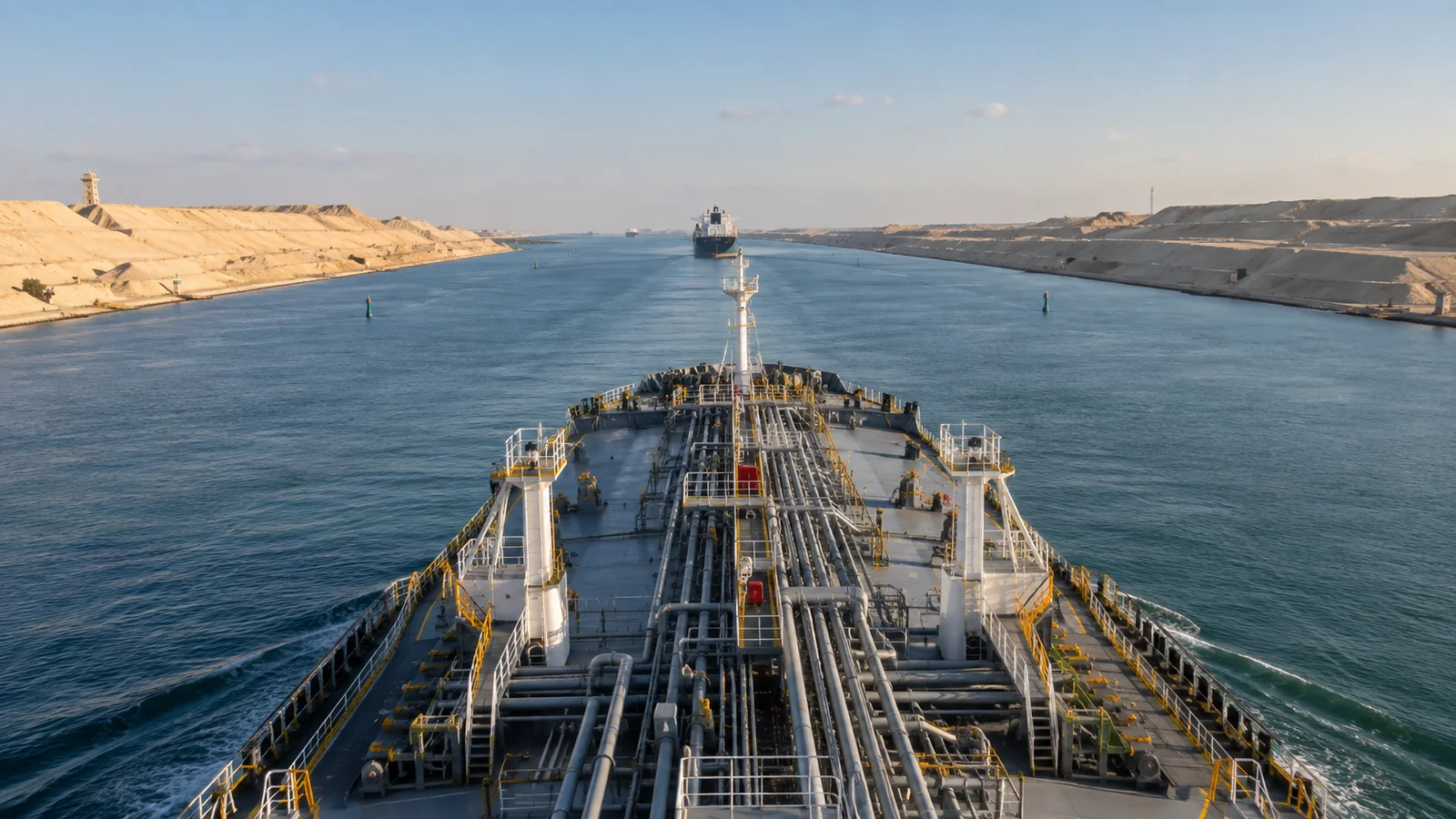
AI-generated editorial illustration.
Suez Canal transit can raise questions about navigation, vessel damage, liabilities and delay. Insurance decisions should distinguish the ship using the canal from cargo waiting for a vessel and from a business losing revenue because its supply chain is late.
What should Suez Canal marine insurance assess?
Assess the vessel, voyage, cargo and relevant contractual interests under the actual hull, P&I, cargo and any interruption policies. Canal navigation requirements and insurance terms are separate. A blockage, queue or deviation does not automatically trigger a claim, and historical casualty examples do not establish today's transit conditions or premiums.
Use current navigation information
The Suez Canal Authority navigation circulars were checked as the official reference during preparation. Operators should confirm the notices and requirements applying to their actual vessel and transit immediately before use. This article does not assert a live queue length, closure status or transit cost.
| Situation | Insurance question |
|---|---|
| Vessel casualty | Which property and liability interests are affected? |
| Cargo waiting | Is there insured damage, or only delay? |
| Route deviation | Does the revised voyage need agreement? |
| Project impact | Is a separate financial-loss trigger satisfied? |
Separate historical lessons from current conditions
Allianz's discussion of the 2021 Suez blockage illustrates that a major casualty can involve different insurance classes. It is historical context, not a source for current pricing, present canal status or the outcome of a new claim.
A fictional diversion decision
A shipper considers a longer route after a schedule disruption. Before changing instructions, the shipper should identify revised ports, duration, storage and cargo sensitivities and ask whether the cargo terms require agreement. The vessel operator separately needs to consider its navigation and war-risk arrangements.
Record the commercial reason, alternatives and decision date. A deviation intended to avoid delay does not mean its extra costs are automatically insured. The policy must address the cause and the expense claimed.
Prepare a focused submission
Provide vessel particulars, route, ETA, cargo, insured values, contracts and requested cover. Explain project-critical goods, temperature requirements or storage that could become relevant if the schedule changes. Ask for current written terms rather than applying a rate quoted for another ship or an earlier event.
Review delay, loss of market, contractual penalties, general average, salvage and deviation provisions as appropriate. Physical damage cover and protection against pure financial disruption are different enquiries. Confirm which policy and insurer should receive notification if more than one interest is affected.
Keep the incident file organised
Preserve navigation notices, instructions, voyage records, bills of lading, surveys and expense evidence. Notify relevant insurers promptly and seek advice before settlements or non-emergency commitments. Separate repair, cargo loss, storage, freight and lost revenue rather than presenting one combined disruption figure.
Read Red Sea insurance considerations and transshipment guidance. Explore voyage enquiries and submit the proposed movement with a clear date and route for assessment.
Key takeaways
- Assess the vessel, voyage, cargo and relevant contractual interests under the actual hull, P&I, cargo and any interruption policies.
- No. Identify the actual loss, relevant cover and exclusions; transit permission and insurance for delay are different questions.
Frequently asked questions
What should Suez Canal marine insurance assess?
Assess the vessel, voyage, cargo and relevant contractual interests under the actual hull, P&I, cargo and any interruption policies. Canal navigation requirements and insurance terms are separate. A blockage, queue or deviation does not automatically trigger a claim, and historical casualty examples do not establish today's transit conditions or premiums.
Does Suez transit cover automatically insure delay costs?
No. Identify the actual loss, relevant cover and exclusions; transit permission and insurance for delay are different questions.
Sources & further reading
General information, not a coverage determination or offer. Actual cover is subject to policy wording, insurer terms, underwriting and applicable law.