
Ammonia Bunkering: Questions Ahead of the September 2026 IMO Seminar
IMO has scheduled a technical seminar on ammonia as marine fuel for 17 September 2026.
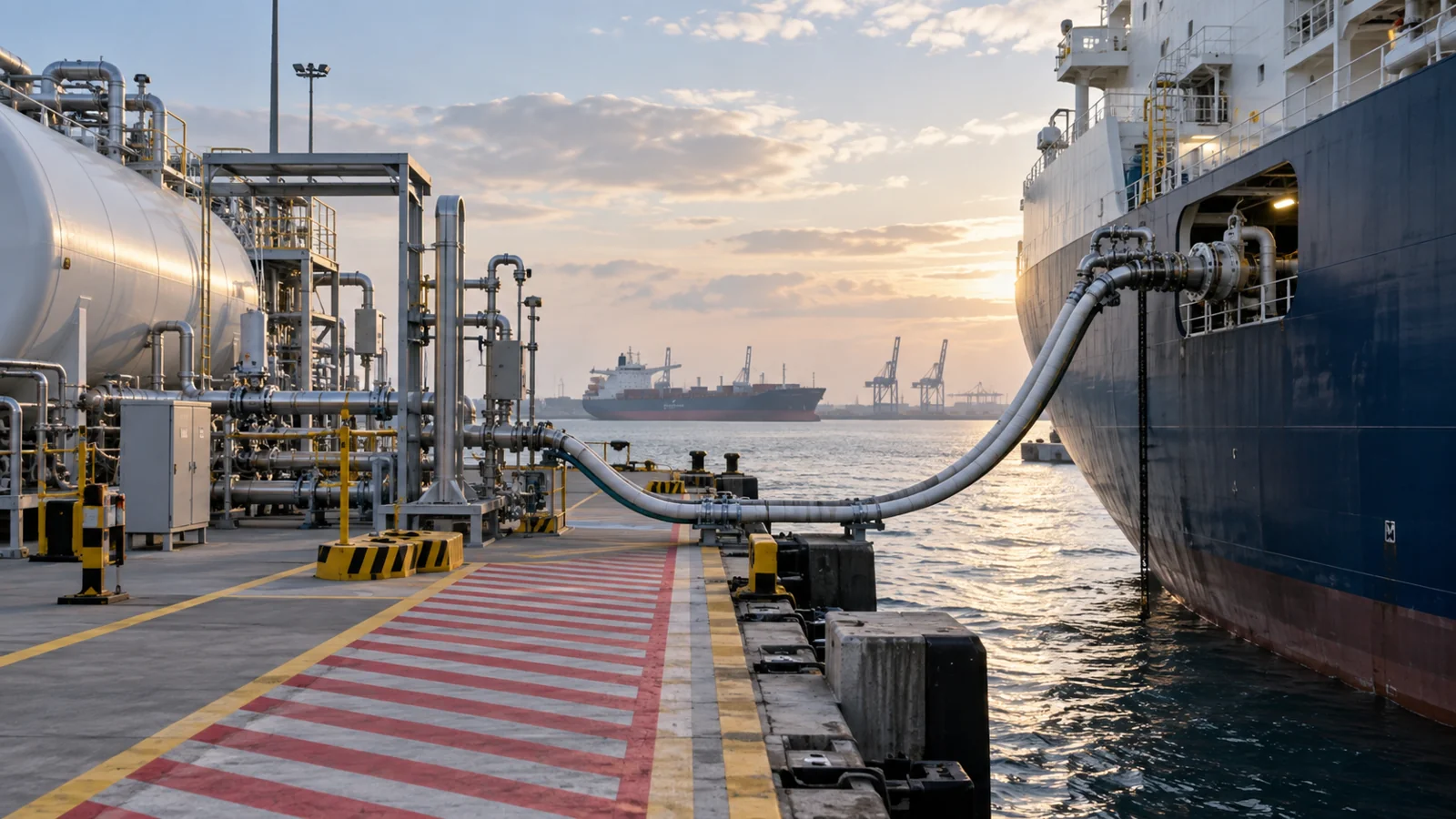
AI-generated editorial illustration.
Why is ammonia bunkering on the September 2026 shipping agenda?
IMO has scheduled a technical seminar on ammonia as marine fuel for 17 September 2026. As checked on 10 September, that is an upcoming discussion, not a new binding rule already in force. For insurance enquiries, the practical task is to explain the proposed fuel system, bunkering interfaces, approvals and operational readiness of the particular vessel and port arrangement.
Use the event as a prompt for better questions
The IMO seminar announcement lists technical and safety topics for the event. Its existence does not certify an individual design or bunkering operation. Check current flag, class, port and other applicable requirements through the responsible specialists.
An ammonia-fuel proposal should distinguish vessel equipment from shoreside supply and transfer responsibilities. Describe the parties involved and the evidence available for design acceptance, training and emergency coordination. This article does not provide instructions for handling ammonia or responding to a release.
| Interface | Underwriting question | Evidence to prepare |
|---|---|---|
| Vessel design | What is approved and what remains conditional? | Class and flag documentation |
| Fuel supply | Who specifies and verifies the product? | Supply and quality arrangements |
| Bunkering location | Which port permissions apply? | Current acceptance documents |
| Personnel | How is competence demonstrated? | Relevant training records |
| Emergency coordination | Are vessel and shore plans aligned? | Reviewed interface arrangements |
A demonstration is not the same as routine operation
A fictional operator plans to move from a controlled trial to repeated commercial bunkering. The original submission describes only the trial's location and attendance arrangements. Regular operations introduce different frequencies, personnel and interfaces. The operator should explain that change before assuming the original insurance assessment remains sufficient.
Maintain a record of outstanding conditions, planned milestones and responsible parties. Describe evidence gaps openly; presenting an intended approval as already obtained can undermine the usefulness of the submission.
Review property and liability together
Hull and machinery, pollution and other liabilities may involve different policies, exclusions and conditions. Identify who owns each asset and who performs the transfer operation. Fuel-system changes can also affect maintenance, repair access and interruption scenarios.
Ask insurers what information and agreement they require before the proposed activity begins. A conference presentation, class discussion or equipment supplier's brochure does not bind cover. Follow the eventual seminar output as technical context while retaining vessel-specific evidence as the basis of the enquiry.
Read the offshore energy insurance guide, review hull and machinery insurance, or submit the proposed operational change.
Key takeaways
- The 17 September seminar was still upcoming when this guide was checked.
- Distinguish discussion, design approval and operational permission.
- Explain vessel-shore responsibilities and insurance interfaces before activity starts.
Frequently asked questions
Why is ammonia bunkering on the September 2026 shipping agenda?
IMO has scheduled a technical seminar on ammonia as marine fuel for 17 September 2026. As checked on 10 September, that is an upcoming discussion, not a new binding rule already in force. For insurance enquiries, the practical task is to explain the proposed fuel system, bunkering interfaces, approvals and operational readiness of the particular vessel and port arrangement.
Sources & further reading
General information, not a coverage determination or offer. Actual cover is subject to policy wording, insurer terms, underwriting and applicable law.