
Offshore Energy Insurance: Construction and Operating Interfaces
Assess project property, marine transit, construction and installation, operational damage, liabilities and financial interruption as separate but connected interests.
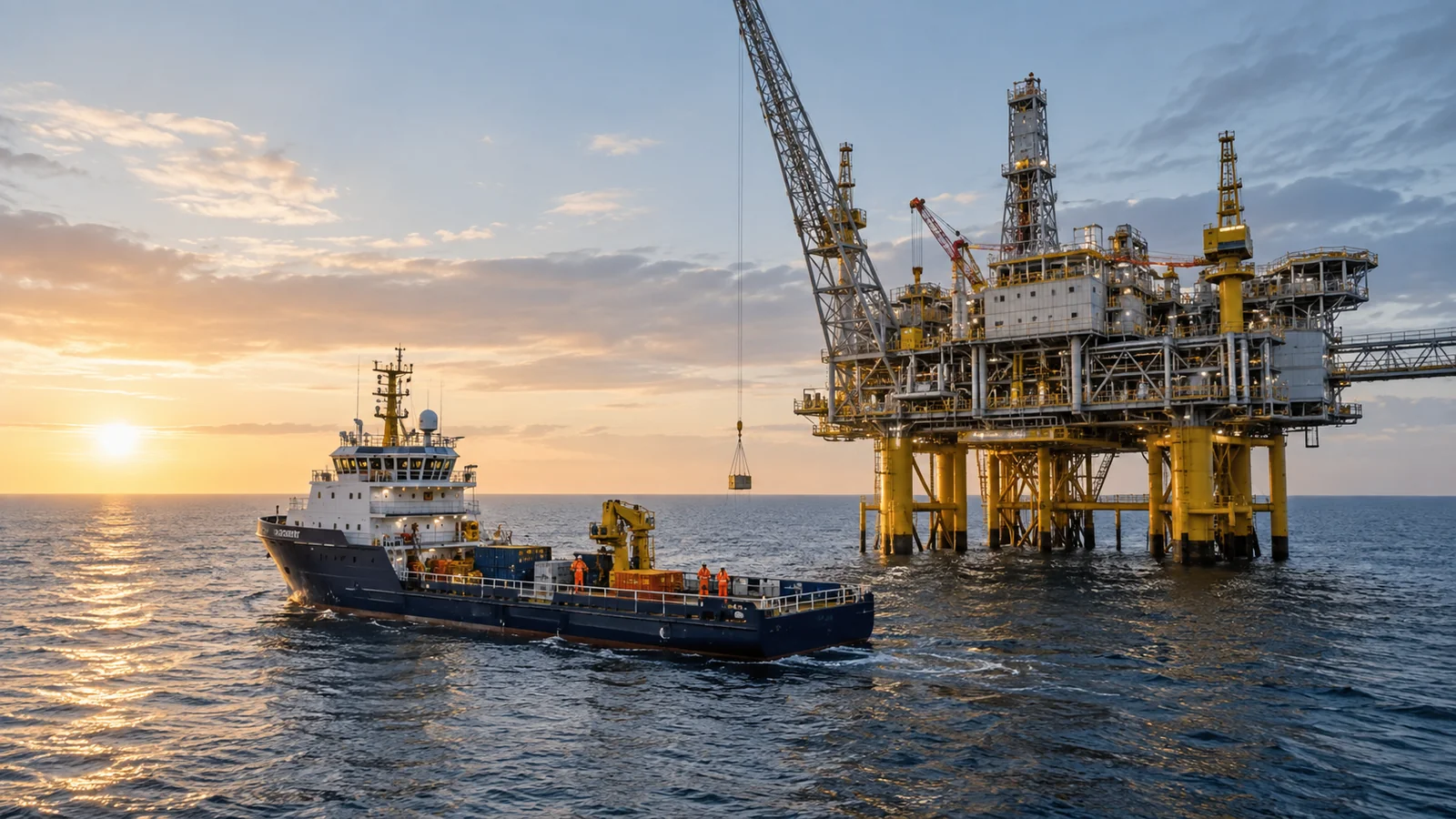
AI-generated editorial illustration.
An offshore energy project can move from fabrication and transit into installation, testing and operation while several contractors remain involved. Insurance should make the transition between phases explicit.
How should offshore energy insurance be structured?
Assess project property, marine transit, construction and installation, operational damage, liabilities and financial interruption as separate but connected interests. The appropriate arrangement depends on the assets, activities, contracts and jurisdiction. One energy policy title does not establish cover for every project phase, well risk or contractor obligation.
Mark phase boundaries on the project schedule
| Phase | Insurance interface to clarify |
|---|---|
| Fabrication and transit | When does the insured interest attach? |
| Installation | Which work, equipment and contractors are included? |
| Testing and commissioning | What conditions govern the transition? |
| Operation | What event starts the operational programme? |
UK P&I's offshore operations discussion explains why specialist activities and contractual liabilities can fall outside ordinary arrangements. That context supports early coordination; it does not promise a package for every energy project.
A fictional commissioning overlap
One part of a facility begins operation while another remains under installation. The owner should establish which policy responds to each asset and activity and how damage crossing the boundary would be handled. A single overall completion date may not describe the actual phased handover.
Keep acceptance certificates, work scopes, operational dates and outstanding defects aligned with the insurance schedule. Do not treat an internal accounting transfer as automatically changing the insured period.
Prepare a project responsibility register
For underwriting, provide asset descriptions, values, locations, construction schedule, contractor roles, technical reports, catastrophe exposures and loss history. Identify high-value transit items and critical dependencies. Explain which party owns equipment at each stage and which contracts allocate liability.
Ask about defects, testing, damage to the work, pollution, contractual indemnities and interruption triggers. Well-control exposure, where relevant, is a specialist question and should not be inferred from a general offshore property policy.
Distinguish project delay from insured financial loss
An equipment casualty can affect commissioning, but so can weather, permits, contractor performance and other non-damage issues. Any delay or business interruption cover needs its own trigger, waiting period, calculation and exclusions. Preserve the baseline and revised schedules so concurrent causes can be investigated.
After a loss, coordinate insurers, contractors and technical experts. Preserve work records and failed components where practicable. Seek agreement for non-emergency repairs and mitigation expenses when required, while documenting urgent action taken to protect people and property.
Next steps
Read marine programme fundamentals and energy cargo considerations. Explore high-value cargo enquiries and discuss the offshore project so available specialist arrangements can be assessed against its phases and contracts.
Key takeaways
- Assess project property, marine transit, construction and installation, operational damage, liabilities and financial interruption as separate but connected interests.
- It is a point where responsibility or cover changes, such as transport to installation, construction to operation, or a contractor handover.
Frequently asked questions
How should offshore energy insurance be structured?
Assess project property, marine transit, construction and installation, operational damage, liabilities and financial interruption as separate but connected interests. The appropriate arrangement depends on the assets, activities, contracts and jurisdiction. One energy policy title does not establish cover for every project phase, well risk or contractor obligation.
What is an offshore energy insurance interface?
It is a point where responsibility or cover changes, such as transport to installation, construction to operation, or a contractor handover.
Sources & further reading
General information, not a coverage determination or offer. Actual cover is subject to policy wording, insurer terms, underwriting and applicable law.