
Seafood Shipping Insurance: Separate Delay, Spoilage and Temperature Evidence
Separate delivery delay, evidence of physical deterioration and food-safety disposition.
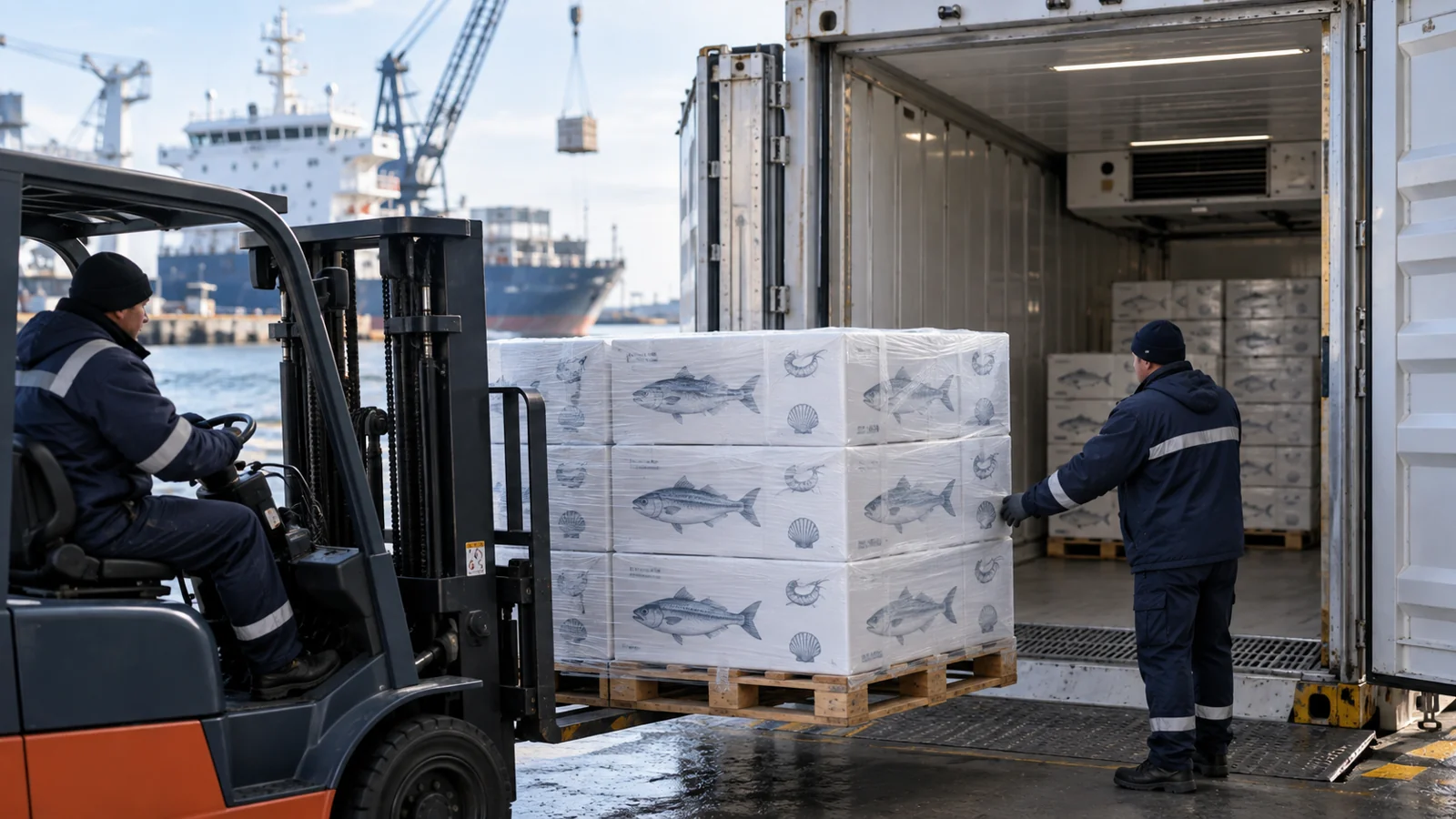
AI-generated editorial illustration.
What should seafood shipping insurance distinguish?
Separate delivery delay, evidence of physical deterioration and food-safety disposition. They are related but different questions. A late container is not automatically an insured loss, while intact packaging does not establish that seafood is suitable for sale. Preserve temperature and custody records, and let qualified food-safety personnel assess the product against its applicable requirements.
Start with the species and product form
The FDA seafood guidance resources cover US food-safety requirements and guidance. Those requirements do not define an insurance policy's coverage. Frozen, chilled, live and processed seafood need different descriptions; do not use a single temperature or shelf-life assumption for every consignment.
Identify the product, packing, refrigeration arrangement, intended journey and intermediate storage. Explain whether the goods will be inspected, processed or repacked along the way. These stages can change the available evidence and the question of when deterioration occurred.
| Shipment record | What it helps establish | Important limitation |
|---|---|---|
| Product specification | Identity and handling criteria | Not a policy endorsement |
| Pre-loading condition | Starting condition | Must relate to the actual batch |
| Temperature trace | Recorded exposure | Sensor position and reliability matter |
| Power and equipment logs | Refrigeration history | An alarm alone may not prove damage |
| Receiver assessment | Condition and disposition | Cause and cover still need assessment |
A rejected consignment needs a reasoned file
A fictional shipment of chilled seafood arrives two days late. The buyer rejects it because a promotional delivery window has passed, but no deterioration is established. That commercial rejection raises a different question from another shipment with documented spoilage following refrigeration failure.
Record the rejection reason precisely. Avoid substituting "unacceptable cargo" for the actual observations, test results and contractual issue. Retain original logger downloads and qualified inspection findings rather than only a photograph of the container display.
Coordinate mitigation and safe disposition
Notify the relevant insurer and carrier promptly under their requirements. Arrange survey access where practicable, but do not delay necessary food-safety action. Retain evidence of authorised disposal, salvage or alternative sale, including quantities and proceeds.
Ask how cover treats deterioration, temperature variation, delay and relevant conditions before shipment. Testing, disposal, lost profit and damaged goods may receive different treatment. Insurance cannot provide permission to sell a product that fails applicable safety requirements.
Read the reefer cargo guide, explore marine cargo insurance, or send the product and transit details for assessment.
Key takeaways
- Describe the actual seafood product and cold-chain arrangement.
- Distinguish commercial rejection from documented deterioration.
- Preserve original records while meeting food-safety and notification duties.
Frequently asked questions
What should seafood shipping insurance distinguish?
Separate delivery delay, evidence of physical deterioration and food-safety disposition. They are related but different questions. A late container is not automatically an insured loss, while intact packaging does not establish that seafood is suitable for sale. Preserve temperature and custody records, and let qualified food-safety personnel assess the product against its applicable requirements.
Sources & further reading
General information, not a coverage determination or offer. Actual cover is subject to policy wording, insurer terms, underwriting and applicable law.