
Reefer Cargo Insurance: Temperature Evidence and Policy Triggers
Reefer cargo insurance concerns the insured goods carried under temperature control.
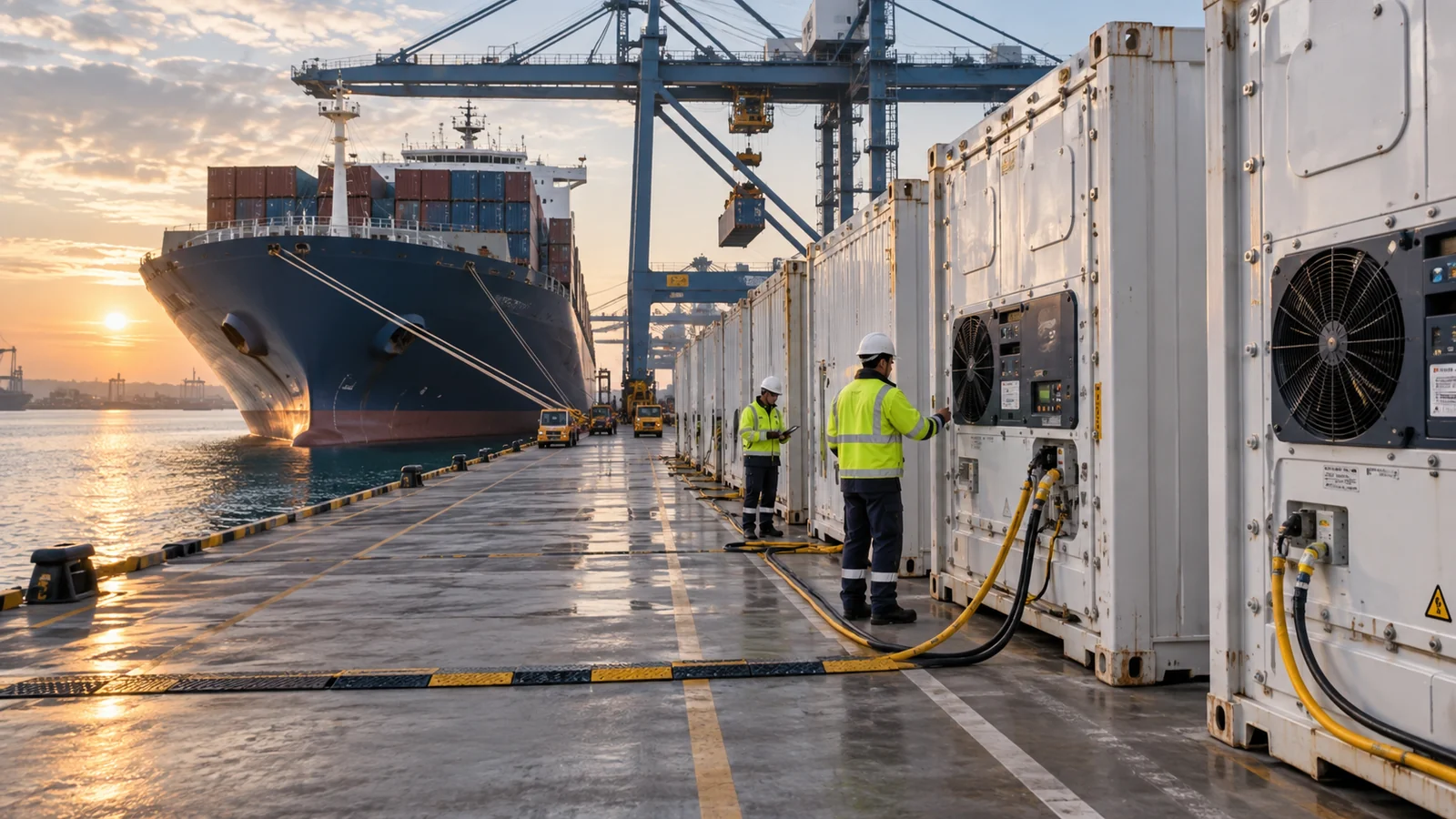
AI-generated editorial illustration.
Temperature-controlled goods can deteriorate even when the container looks undamaged. A reefer cargo enquiry should explain the product's tolerances and the proposed temperature controls, not simply identify the equipment as refrigerated.
What does reefer cargo insurance need to address?
Reefer cargo insurance concerns the insured goods carried under temperature control. The wording must establish whether and how temperature variation, refrigeration breakdown, power interruption or other causes are covered. A temperature excursion is evidence to investigate, not automatic proof of insured damage or an automatic entitlement to the full cargo value.
Distinguish the product temperature from the set point
Keep the shipper's written temperature instructions, preparation records and loading condition. A container setting describes an instruction to equipment; it does not alone prove the goods' actual temperature throughout transit. Record what each sensor measures and retain original downloads rather than screenshots alone.
| Record | Insurance or claims question |
|---|---|
| Product specification | What temperature or handling limits apply to these goods? |
| Pre-trip inspection | Was the equipment prepared and checked? |
| Power and alarm history | When did a relevant event occur? |
| Independent cargo assessment | Did the event damage the product, and to what extent? |
Maersk's cargo insurance offering distinguishes refrigerated cargo options. It illustrates why a generic dry-cargo description should not substitute for a temperature-specific enquiry; its advertised terms are not MarineEnergyCover terms.
A fictional power interruption
A reefer loses power during terminal handling. The equipment log records the interruption, but the cargo owner must still establish the product's condition, exposure and resulting loss. The answer may depend on duration, cargo preparation and specialist assessment. This guide intentionally gives no universal temperature or time threshold.
Preserve terminal handover times, alarm records, loading instructions and survey findings. Where food or pharmaceuticals are involved, obtain competent product and regulatory advice before deciding on use, sale or disposal. An insurance article cannot determine product safety.
Ask precise underwriting questions
Provide commodity, value, packaging, required conditions, route, transit duration, storage and monitoring arrangements. Explain mixed loads or special atmosphere requirements. Ask whether the offer requires a specific trigger, duration, equipment failure or monitoring condition for temperature losses.
Review delay, inherent vice, pre-existing deterioration, incorrect settings and equipment maintenance provisions. Do not assume that a refrigeration endorsement removes every relevant exclusion. Clarify whether the cargo owner's policy and the transport operator's liability cover address different interests.
Control the response to discovery
Notify the insurer promptly, keep the goods segregated where appropriate and seek survey instructions. Document necessary protective costs and any disposal requirements. Separate physical deterioration from a customer's precautionary rejection or loss of a sales window; their insurance treatment may differ.
Read all-risks cargo limitations and marine cargo fundamentals. Discuss cargo insurance and submit temperature requirements before the first refrigerated movement.
Key takeaways
- Reefer cargo insurance concerns the insured goods carried under temperature control.
- No. Establish actual damage and the relevant policy trigger, using reliable temperature, equipment and custody records.
Frequently asked questions
What does reefer cargo insurance need to address?
Reefer cargo insurance concerns the insured goods carried under temperature control. The wording must establish whether and how temperature variation, refrigeration breakdown, power interruption or other causes are covered. A temperature excursion is evidence to investigate, not automatic proof of insured damage or an automatic entitlement to the full cargo value.
Does a temperature excursion automatically establish an insured reefer loss?
No. Establish actual damage and the relevant policy trigger, using reliable temperature, equipment and custody records.
Sources & further reading
General information, not a coverage determination or offer. Actual cover is subject to policy wording, insurer terms, underwriting and applicable law.