
Why Trading Areas Matter to Marine Underwriters
Explain where and how a vessel operates, distinguish annual trading from individual voyages and manage geographic changes in the policy record.
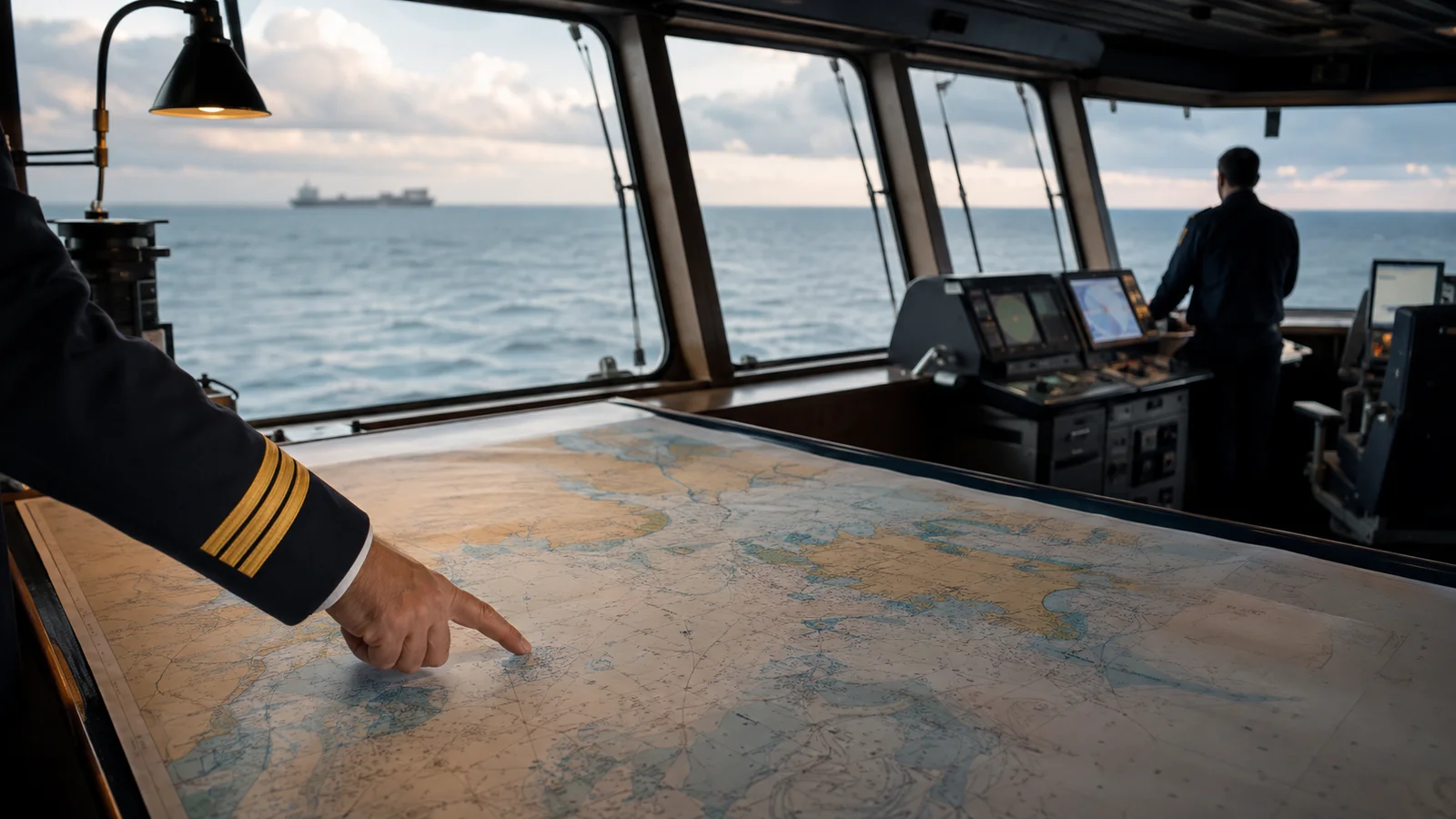
AI-generated editorial illustration.
A trading area describes where a vessel is intended to operate, but its insurance significance goes beyond a line on a map. Seasonal conditions, ports, waiting periods, operations, security concerns and available support can differ within the same broad region. Underwriters need a description that reflects the vessel’s actual employment.
The policy’s geographical provisions must also be read with its other terms. A broad phrase such as “international trading” does not necessarily resolve restricted areas, prior-notice requirements or special voyage conditions. The right question is how the intended activity fits the actual contract.
Describe both geography and operation
List the usual regions, ports and routes, together with expected frequency and seasonality. Explain whether the vessel is engaged in recurring short voyages, long ocean passages, offshore work or another pattern. Identify planned changes for the proposed insurance period.
For a fleet, show which vessels operate where rather than providing one broad description for all ships. A specialist vessel working in a limited area may present a different operational profile from a similar-valued ship trading internationally.
Include relevant waiting, loading, discharge and offshore activities. The destination port alone may not explain time spent at anchor or operations beyond the berth. A concise operational summary helps the underwriter ask focused questions.
Read geographical wording precisely
Some marine wordings distinguish ordinary, conditional or excluded trading areas and set out notification or other requirements. Nordic Marine Insurance Plan: Chapter 3, Section 2 provides one example of a contractual framework addressing alterations of risk and trading areas. Its provisions apply only when incorporated into the relevant agreement; they are not universal rules for every vessel policy.
Ask the provider to identify the actual clause, map, schedule or endorsement governing your vessel. Check dates, coordinates or named areas where used. A marketing map on a website should not be substituted for the operative policy description.
If the wording is unclear, obtain written clarification before the intended activity. Do not rely on a colleague’s recollection of how a previous insurer treated the same region.
Separate geographical permission from other conditions
Agreement to a trading area does not remove unrelated sanctions, cargo, technical or security requirements. Likewise, a technically suitable vessel may still require specialist war-risk consideration for a proposed movement.
Different policies can have different geographic provisions. Hull, war, cargo and liability arrangements should be reviewed together where the voyage depends on several interests. One insurer’s endorsement does not automatically amend another insurer’s contract.
Keep the commercial permission to trade, the master’s operational decision and the insurance terms distinct. Each serves a different purpose. A quotation should not be read as an assurance that a route is safe or legally unrestricted.
A fictional seasonal-deployment example
A vessel normally operates on temperate coastal routes, then receives a proposed seasonal contract in an area with different environmental conditions and limited repair access. The vessel’s owner and value remain the same, but the intended operation has changed.
The submission should explain dates, route, ports, operating pattern and relevant technical preparation. The underwriter can then assess the request and identify any additional information or terms. The owner should not simply change the trading-area field after the policy is issued and assume that the amendment is accepted.
The example does not prescribe vessel preparation or predict approval. It demonstrates why a location change can matter even when the ship itself is unchanged.
Manage voyage changes through a clear process
Nominate a person to receive commercial route updates and compare them with the insurance terms. Establish how requests for additional areas, changed ports or extended stays reach the underwriting contact. Record the requested change, date, response and any resulting endorsement.
If a voyage is urgent, state the deadline and identify which facts are confirmed. Do not treat urgency as acceptance or rely on silence. The required decision must come from the authorized provider under the applicable process.
Keep prior versions so that the organization can reconstruct which terms applied at a particular time. This is useful for renewal, audit and any later claim question concerning the voyage.
Connect geography with values and concentrations
For fleet and cargo programmes, consider whether several insured interests may be exposed in the same place or event. A port or terminal concentration can matter even when each vessel or shipment is separately listed.
Explain realistic maximum values and expected time in the location. Do not use annual totals as a substitute for peak exposure. If the programme includes occasional unusually valuable cargoes, identify them for specific review.
At renewal, compare actual trading during the previous period with the original description and the coming plan. Explain deviations and completed operational changes. Use the voyage insurance page or the relevant fleet enquiry to present the intended activity, with cover subject to underwriting, capacity, applicable law and the agreed terms.
Frequently asked questions
Does worldwide cover mean every port is automatically permitted?
Not necessarily. Read the complete policy, including territorial exclusions, special-area conditions and notification requirements. Obtain written clarification for the intended activity.
Can a route change affect more than one policy?
Yes. Hull, war, cargo and liability arrangements may have different terms. Coordinate the review instead of assuming that one endorsement changes every part of the programme.
What information helps with a new-area request?
Provide the vessel, dates, route, ports, operations, relevant cargo and reason for the change. Identify uncertain facts and allow time for the required underwriting and compliance review.
Related reading
- Marine insurance for persian gulf trading risks
- Marine war risk insurance for red sea voyages
- A practical guide to marine insurance renewals
Sources and editorial review
Prepared by the MarineEnergyCover editorial desk. Updated 7 September 2026. Expert and, where relevant, compliance review are pending; no reviewer has been appointed. Examples are fictional and explain questions to investigate, not coverage decisions. Sources provide general context and do not describe MarineEnergyCover’s capacity, authority or policy terms. Insurance availability remains subject to underwriting, applicable law and the agreed contract.
Frequently asked questions
Does worldwide cover mean every port is automatically permitted?
Not necessarily. Read the complete policy, including territorial exclusions, special-area conditions and notification requirements. Obtain written clarification for the intended activity.
Can a route change affect more than one policy?
Yes. Hull, war, cargo and liability arrangements may have different terms. Coordinate the review instead of assuming that one endorsement changes every part of the programme.
What information helps with a new-area request?
Provide the vessel, dates, route, ports, operations, relevant cargo and reason for the change. Identify uncertain facts and allow time for the required underwriting and compliance review.
Sources & further reading
General information, not a coverage determination or offer. Actual cover is subject to policy wording, insurer terms, underwriting and applicable law.