
All-Risks Marine Cargo Insurance Explained
What all-risks cargo wording means, why exclusions and transit clauses matter, and how to assess the cover against a real shipment.
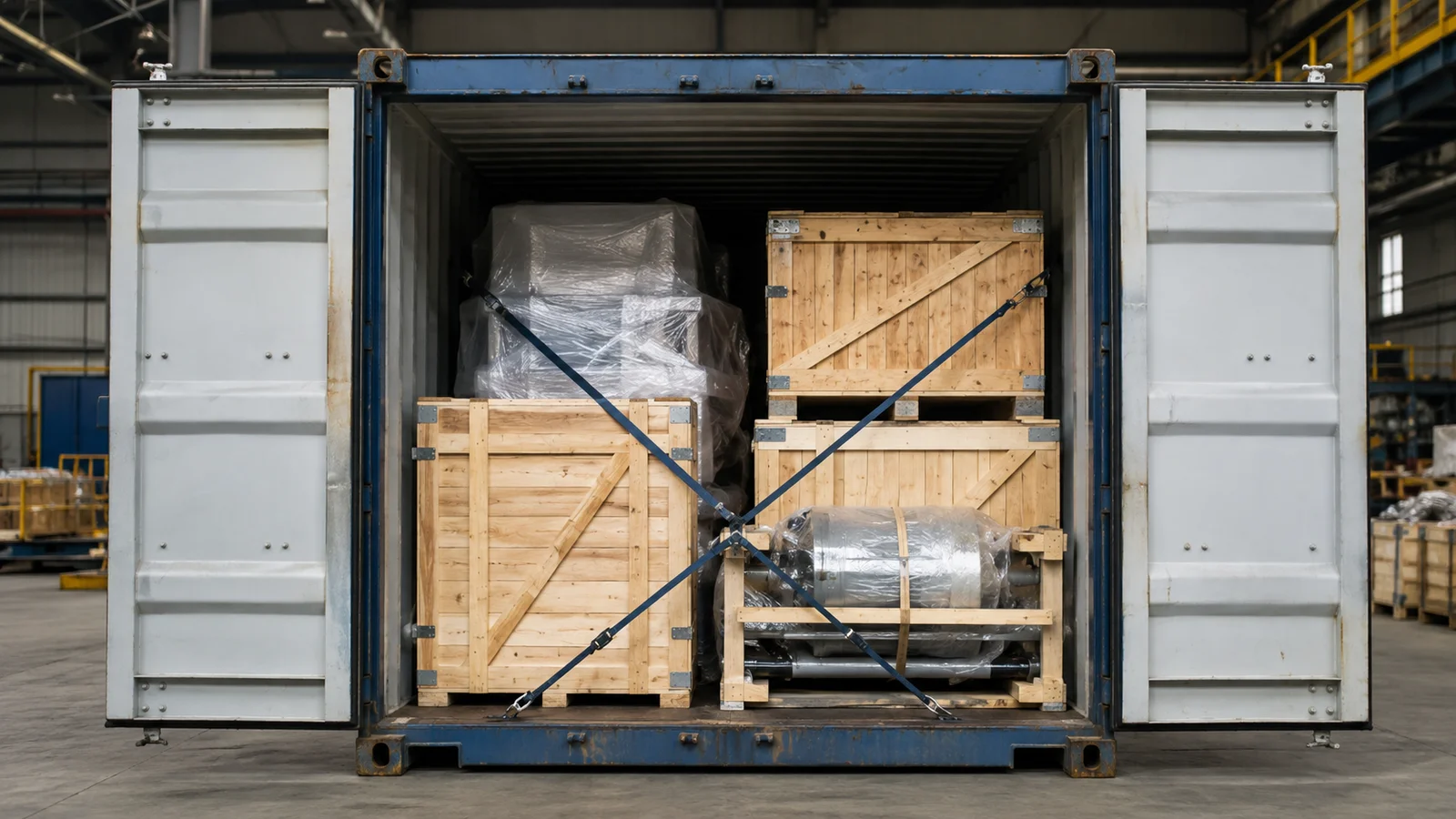
AI-generated editorial illustration.
“All risks” is a familiar cargo insurance expression, but it does not mean every possible loss is insured. It describes a form of cover that must still be read with exclusions, duration provisions, conditions and any endorsements. A purchaser who reviews only the label can miss a gap relevant to the actual shipment.
The practical task is to connect the wording to the goods and movement. Ask what can happen, when the insured transit begins and ends, which interests are protected and which causes or consequences remain outside the agreement.
Read the insuring clause and exclusions together
Institute Cargo Clauses (A) are a widely used example of all-risks wording. The Lloyd’s: Cargo Claims and Recoveries Manual reproduces and discusses standard cargo clauses. In that example, broad physical-loss or damage cover is subject to exclusions, including provisions addressing matters such as ordinary loss, inadequate packing, inherent characteristics, delay, war and strikes.
The precise wording and any amendments matter. Do not assume that a reference to “Clause A” proves that an identical edition or unmodified form applies. Ask for the full operative wording and identify the insurer’s endorsements.
Nor does the phrase remove the need to establish an insured loss during the relevant cover period. A claim still requires facts about the goods, damage, timing and circumstances. The final decision belongs to the actual insurer under the applicable contract and law.
Make the goods description specific
New packaged machinery, used equipment, bulk grain and temperature-sensitive goods present different questions. Describe condition, packing, handling and any special transport requirements. A broad category such as “general cargo” can hide the issue the underwriter most needs to assess.
Explain who packs the goods and how the proposed transport affects them. Containers protect cargo in some respects, but placing goods inside a container does not by itself establish that the packing is suitable. Similarly, a sealed package does not prove that its contents were sound at dispatch.
Supply relevant evidence such as packing specifications or condition records when requested. Avoid assuming that an invoice and bill of lading answer every question about physical condition.
Follow the transit from beginning to end
Map the actual journey, including inland collection, loading, sea carriage, transshipment, temporary storage and final delivery. Read the attachment and termination provisions against that map. Phrases such as “warehouse to warehouse” need their contractual context.
Storage can be part of the ordinary course of transit or a separately planned activity, depending on the facts and wording. If goods are held for distribution, processing or a commercial decision unrelated to onward movement, ask specifically how that stage is treated.
A changed destination, prolonged delay or interrupted transport should be referred through the policy’s notification process. Do not assume that a general geographic description extends cover indefinitely.
A fictional water-damage example
A buyer receives packaged electrical equipment with visible water damage. The buyer should preserve packaging, take appropriate photographs, record delivery condition and notify the relevant insurer and transport parties through the required process. It should not decide the cause solely from the appearance of the damage.
The investigation may need to establish packing condition, container condition, handling history and the timing of exposure. The policy response then depends on the facts and wording. Calling the insurance all risks does not eliminate those questions.
This example does not imply that water damage is always accepted or rejected. It shows why early factual evidence is more valuable than a confident but unsupported diagnosis.
Ask about additional interests separately
War, strikes, temperature variation, delay-related financial loss or other specialized exposures may need express consideration. Do not assume they are included because the shipment has a broad physical-damage policy. Request the relevant terms and explain why the additional interest matters.
Carrier liability is also distinct from cargo insurance. A carrier’s contractual or legal responsibility does not necessarily match the cargo’s full insured value. A cargo claim and a recovery against a carrier can therefore involve different questions and documents.
Discuss deductibles, limits, valuation and maximum accumulations along with the scope of cover. A well-worded insuring clause is only one part of the programme.
Review the quotation using a shipment checklist
Check insured name, goods, values, currency, route, transport modes, packing, period, limits and deductible. Identify exclusions or conditions that relate directly to your operation. Ask the underwriter to clarify unfamiliar wording before accepting the quote.
Keep the agreed version with the shipment documents and tell the responsible team when the facts change. For an enquiry, use the cargo insurance page and provide a concise account of the goods and transport chain. The objective is cover suited to a defined shipment, not confidence based on the phrase “all risks” alone.
Frequently asked questions
Does all risks mean there are no exclusions?
No. The insuring clause operates with the policy’s exclusions and other provisions. Read the actual wording and endorsements, particularly for causes or consequences relevant to your goods.
Is delayed arrival covered if the goods are undamaged?
Do not assume so. Delay-related financial loss is a separate question and may be excluded from ordinary cargo cover. Explain the concern and ask about any specialist terms available.
Do I still need photographs and delivery records?
Yes, relevant evidence helps establish condition, timing and circumstances. Follow the insurer’s claims instructions and preserve documents without delaying necessary action to protect people or prevent further loss.
Related reading
- How to calculate the insurable value of marine cargo
- Cargo theft and marine cargo insurance
- How transshipment affects marine cargo insurance
Sources and editorial review
Prepared by the MarineEnergyCover editorial desk. Updated 7 September 2026. Expert and, where relevant, compliance review are pending; no reviewer has been appointed. Examples are fictional and explain questions to investigate, not coverage decisions. Sources provide general context and do not describe MarineEnergyCover’s capacity, authority or policy terms. Insurance availability remains subject to underwriting, applicable law and the agreed contract.
Frequently asked questions
Does all risks mean there are no exclusions?
No. The insuring clause operates with the policy’s exclusions and other provisions. Read the actual wording and endorsements, particularly for causes or consequences relevant to your goods.
Is delayed arrival covered if the goods are undamaged?
Do not assume so. Delay-related financial loss is a separate question and may be excluded from ordinary cargo cover. Explain the concern and ask about any specialist terms available.
Do I still need photographs and delivery records?
Yes, relevant evidence helps establish condition, timing and circumstances. Follow the insurer’s claims instructions and preserve documents without delaying necessary action to protect people or prevent further loss.
Sources & further reading
General information, not a coverage determination or offer. Actual cover is subject to policy wording, insurer terms, underwriting and applicable law.
Related reading
- Ocean Cargo Insurance: Build a Shipment Evidence File
- Reefer Cargo Insurance: Temperature Evidence and Policy Triggers
- Steel Cargo Insurance: Rust, Wet Damage and Survey Records
- How to Calculate the Insurable Value of Marine Cargo
- Cargo Theft and Marine Cargo Insurance
- How Transshipment Affects Marine Cargo Insurance
- Explore marine insurance products