
Steel Cargo Insurance: Rust, Wet Damage and Survey Records
Describe the steel product, finish, packing, pre-shipment condition, value, handling and stowage.
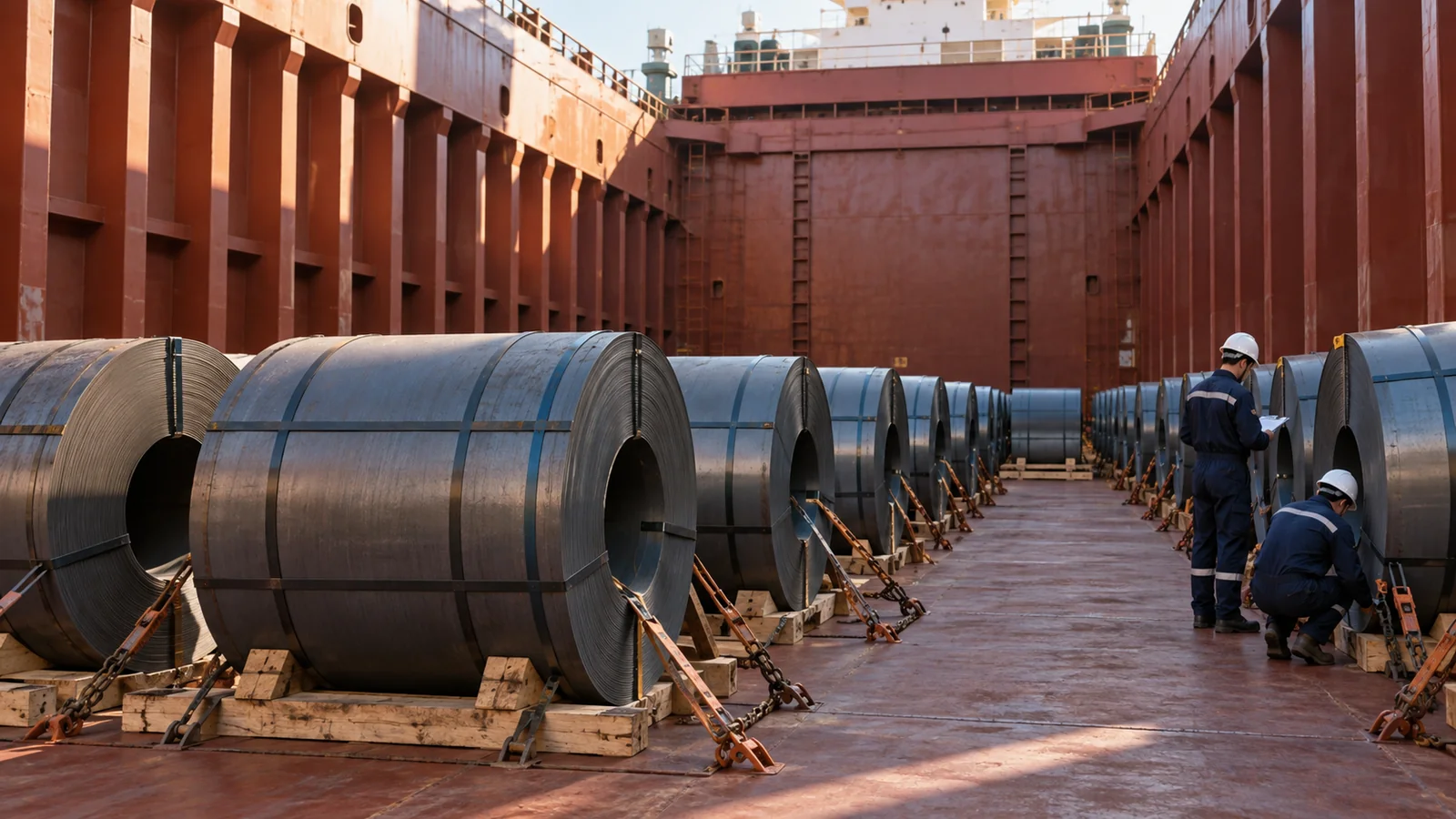
AI-generated editorial illustration.
Steel may arrive with rust, dents or bent edges, but appearance at discharge does not establish when the damage occurred. Steel cargo insurance needs a clear description of product condition and the risks of its particular journey.
What should steel cargo insurance address?
Describe the steel product, finish, packing, pre-shipment condition, value, handling and stowage. Review how the wording treats rust, wet damage, scratching, deformation and pre-existing defects. Finished coils and semi-finished material may have different sensitivities and commercial uses; “steel cargo” is not a sufficiently precise risk description.
Record condition without promising hidden quality
UK P&I's guidance dated 8 September 2026 explains that pre-load steel surveys record apparent condition and support accurate cargo documentation. It also distinguishes that role from guaranteeing hidden quality. The club's own survey funding arrangements are not a general entitlement for other insureds.
| Record | What it can help establish |
|---|---|
| Product and finish specification | Sensitivity to surface or mechanical damage |
| Pre-load photographs | Visible condition before shipment |
| Packing and protection details | Measures used against handling and moisture exposure |
| Discharge inspection | Nature and extent of apparent changes |
Ask the surveyor to explain the scope and limitations of the inspection. A report should not be described as certifying facts that were outside its assignment or inaccessible to inspection.
A fictional coil claim
Cold-rolled coils arrive with surface damage. The cargo owner considers them unsuitable for a particular customer, while a potential salvage buyer can use them for another purpose. The insurance investigation needs condition, cause, repair or reconditioning options and valuation evidence. Customer rejection alone does not establish a total loss under the policy.
Preserve wrappers, markings and photographs linking each coil to its invoice and inspection. If tests are proposed, coordinate the sampling and survey process so evidence is not lost through conflicting instructions.
Clarify the underwriting description
Provide product type, finish, dimensions, packing, loading and discharge arrangements, route, storage and values. Explain whether goods will be exposed on an open quay or carried on deck. Disclose existing rust or damage rather than describing the entire consignment as pristine.
Review inherent vice, ordinary oxidation, packing, wet damage and mechanical damage provisions. Their exact treatment depends on the wording; do not assume that every rust claim is excluded or that any evidence of water proves covered damage.
Keep claims and commercial decisions aligned
Notify the insurer promptly, retain transport exceptions and obtain survey instructions before reworking or disposing of goods where practicable. Document mitigation and salvage proposals. Protect recovery rights against responsible parties without making unsupported allegations about where the damage occurred.
Read all-risks cargo cover and cargo valuation. Ask about marine cargo insurance and submit the steel specification with the condition and protection records.
Key takeaways
- Describe the steel product, finish, packing, pre-shipment condition, value, handling and stowage.
- Yes. A clear pre-loading condition record helps distinguish existing condition from alleged new damage and supports a more useful investigation.
Frequently asked questions
What should steel cargo insurance address?
Describe the steel product, finish, packing, pre-shipment condition, value, handling and stowage. Review how the wording treats rust, wet damage, scratching, deformation and pre-existing defects. Finished coils and semi-finished material may have different sensitivities and commercial uses; “steel cargo” is not a sufficiently precise risk description.
Should pre-existing rust be recorded before shipment?
Yes. A clear pre-loading condition record helps distinguish existing condition from alleged new damage and supports a more useful investigation.
Sources & further reading
General information, not a coverage determination or offer. Actual cover is subject to policy wording, insurer terms, underwriting and applicable law.