
Commercial Vessel Insurance When Operations Change
Review commercial vessel insurance before a material change in use, operating area, ownership, management, equipment or contractual obligations.
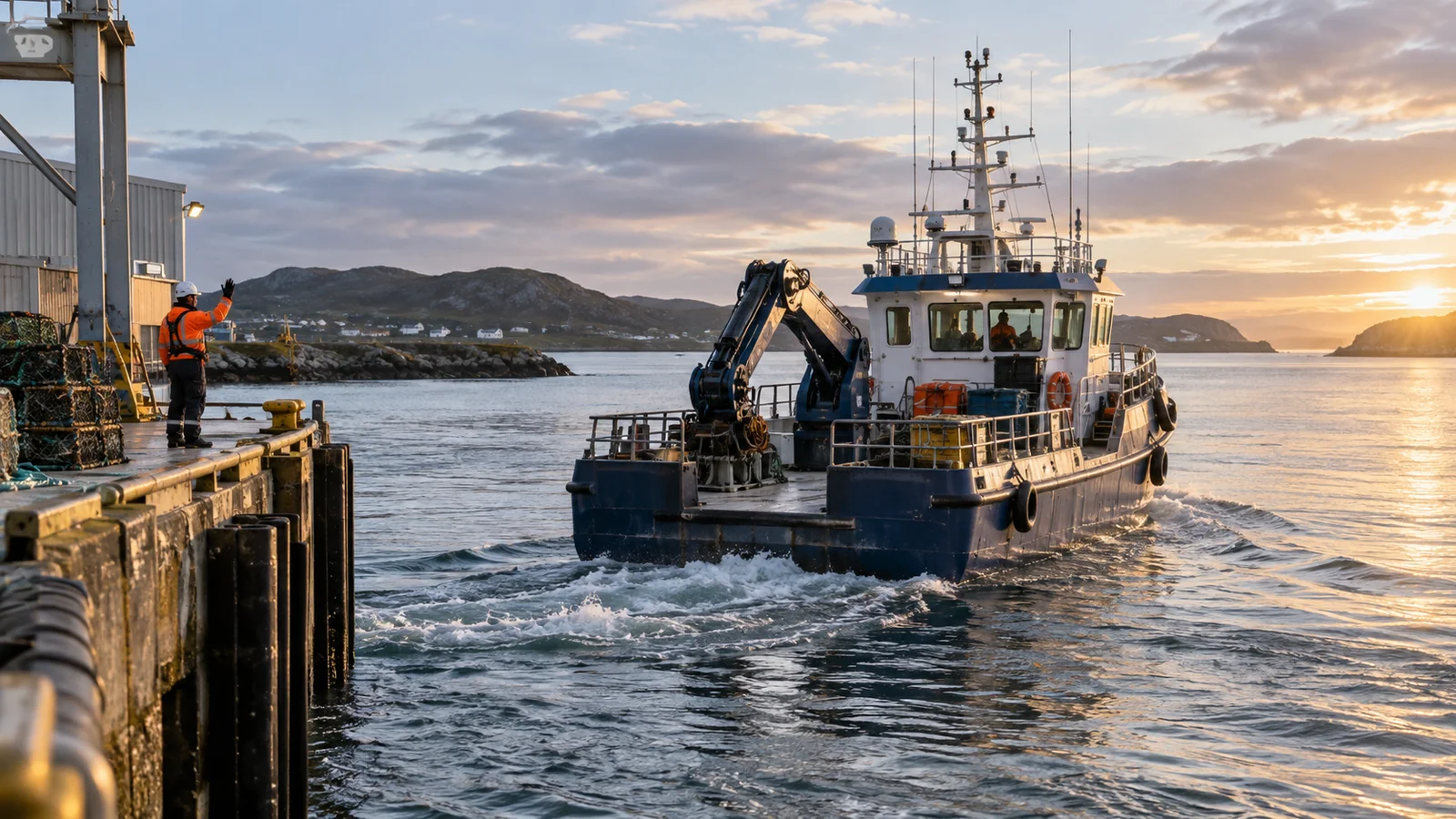
AI-generated editorial illustration.
A working vessel can change its risk profile without changing its name or owner. Taking passengers, adding offshore maintenance work or beginning longer coastal voyages can make last year's insurance description incomplete.
When should commercial vessel insurance be reviewed?
Review commercial vessel insurance before a material change in use, operating area, ownership, management, equipment or contractual obligations. Whether notification, agreement or an endorsement is required depends on the policy. A certificate's expiry date does not confirm that an altered activity is insured throughout that period.
Describe the change as an operation
“General workboat duties” is less useful than a description of what the vessel will do, where, for whom and with which equipment. State whether the work involves towing, lifting, carrying personnel, supporting divers or remaining alongside another asset. Attach the customer's contract where it changes responsibility for injury, equipment or property damage.
| Proposed change | Underwriting question | Supporting record |
|---|---|---|
| Longer voyages | Does the navigation area remain suitable? | Route, refuge options and voyage dates |
| New deck equipment | Does declared value and permitted work change? | Specification, installation and test records |
| Different operator | Who manages maintenance and crew competence? | Management agreement and experience |
| New customer contract | Are assumed liabilities acceptable? | Full contract and insurance schedule |
The Travelers marine transport overview distinguishes physical vessel cover from operational liability. That distinction is a useful starting point, but the response to your changed use must come from the actual insurer.
A fictional workboat example
A harbour workboat normally carries tools between nearby berths. A customer asks it to transport technicians to an offshore installation. The operator should not treat this as merely a longer version of its usual trip. Passenger arrangements, transfer methods, offshore contracts, navigation and equipment all need assessment.
The submission can show the current operation, the proposed operation and the first intended work date on one page. Ask for a written decision that identifies both hull and liability implications. A broker's acknowledgement of the email is not the same as an insurer's agreement to extend cover.
Check restrictions and evidence
Potential issues include activity exclusions, passenger limits, towing conditions, machinery or equipment requirements, survey subjectivities and geographic restrictions. These are questions for the wording, not universal exclusions. Also check whether increased earnings would need a separate income protection discussion; physical damage cover does not automatically replace lost revenue.
Keep the previous schedule, new endorsement and evidence of when the changed work began. If a loss occurs during the transition, those timestamps help establish which terms were intended to apply. Preserve crew logs and customer instructions as well as damage photographs.
Before the first changed voyage
Confirm the revised insured description, named entities, declared values, effective time and outstanding conditions. Review flag, class and operating approvals separately: insurance agreement does not replace them.
Read what ship insurance covers and the vessel information checklist. For an operational change, discuss hull and machinery cover and submit the proposed work before committing to a start date.
Key takeaways
- Review commercial vessel insurance before a material change in use, operating area, ownership, management, equipment or contractual obligations.
- Tell the broker or insurer before the changed operation begins and ask whether amended terms or written agreement are needed.
Frequently asked questions
When should commercial vessel insurance be reviewed?
Review commercial vessel insurance before a material change in use, operating area, ownership, management, equipment or contractual obligations. Whether notification, agreement or an endorsement is required depends on the policy. A certificate's expiry date does not confirm that an altered activity is insured throughout that period.
Should a change of use wait until renewal?
Tell the broker or insurer before the changed operation begins and ask whether amended terms or written agreement are needed.
Sources & further reading
General information, not a coverage determination or offer. Actual cover is subject to policy wording, insurer terms, underwriting and applicable law.