
What Does Ship Insurance Cover?
A loss-by-loss guide to ship insurance, showing which policy may respond and where exclusions, deductibles and operating conditions matter.
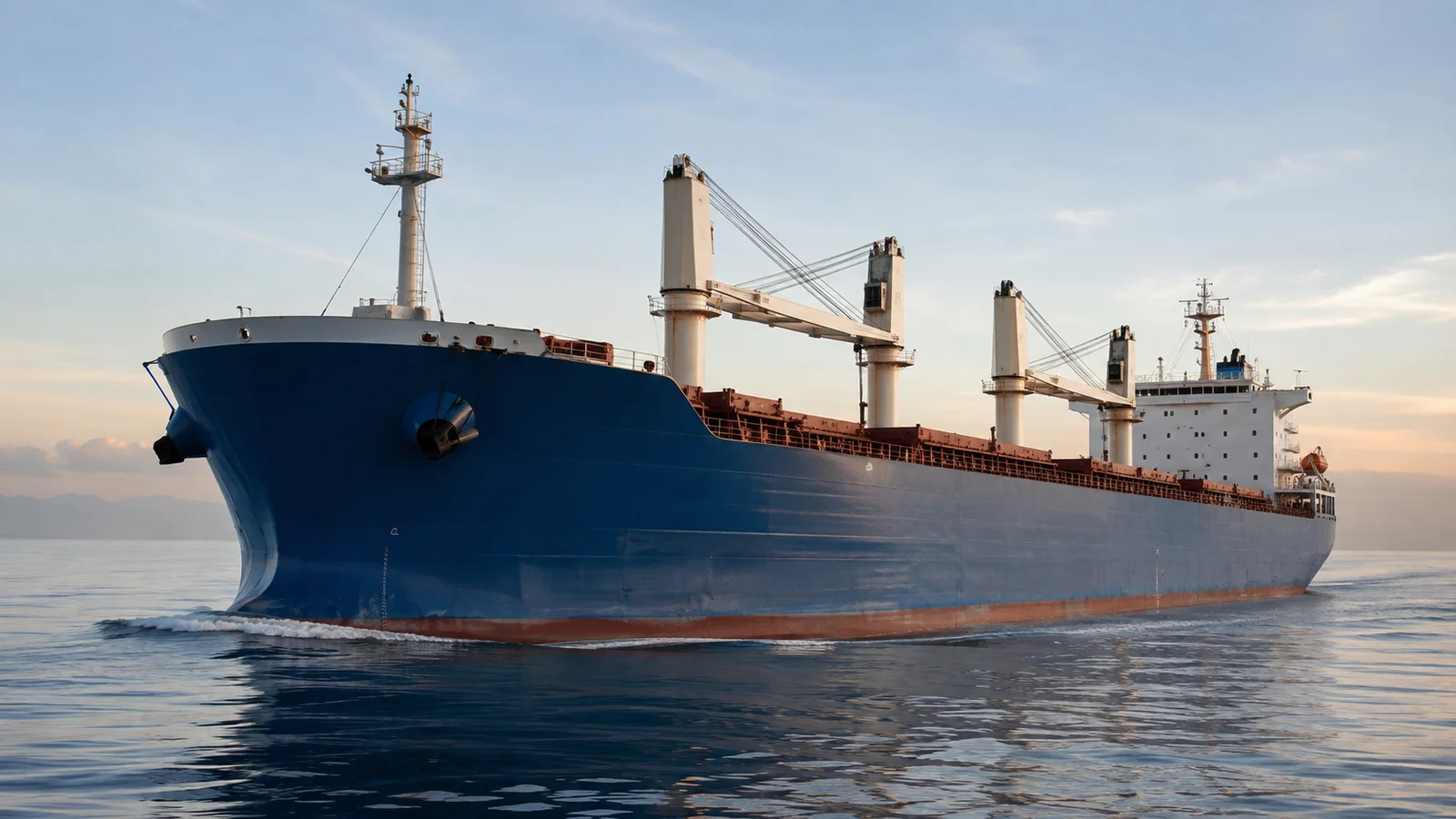
AI-generated editorial illustration.
> Editorial draft — pending specialist insurance and, where relevant, legal/compliance review. Updated 7 September 2026. Examples are hypothetical; the issued policy and applicable law determine actual cover.
The phrase ship insurance does not tell an owner whether a particular loss is covered. A useful answer starts with three questions: what happened, whose financial interest was affected and what policy was agreed? A grounding may generate damage to the ship, salvage costs, pollution claims and lost income. Each consequence needs its own coverage analysis.
The following approach helps a fleet manager review an existing programme or compare quotations. It is a screening tool for discussion, rather than a promise that any named event will be paid.
Physical damage to the insured vessel
Hull and machinery policies generally focus on insured physical loss and damage. The insured property may include the hull, machinery and specified equipment. The exact definition matters when valuable tools are ashore for repair, equipment is hired or a new installation has been added mid-term.
Ask how the policy treats accidental machinery damage, fire, heavy weather, collision and grounding. Then ask about the damaged component itself and the damage it causes elsewhere. A worn component and resulting accidental damage do not necessarily receive the same treatment. For a concrete example of a policy structure that distinguishes maintenance and repair issues, consult Nordic Marine Insurance Plan, Chapter 12: Damage.
Total loss is also different from a repair claim. Economic or constructive total loss depends on the applicable legal test and wording; it is not simply the owner’s preference to replace the ship. Agreed values, valuation clauses and notice requirements deserve review before an incident.
Liability to other people and property
The owner may face claims from crew, passengers, cargo interests, ports or other shipowners. P&I can address specified liabilities, subject to club rules or policy terms. The International Group describes a broad range of these exposures, including personal injury, cargo, pollution and wreck removal. See International Group: the role of P&I clubs.
Liability cover does not mean every demand is legally valid or automatically insured. The contract under which the owner accepted responsibility may matter. So may the cause of the loss, applicable law and any approval requirement for unusual indemnities. A commercial promise extending beyond ordinary liability can create an uninsured obligation.
Collision and damage to fixed or floating objects require a specific allocation check. Some hull arrangements include liability elements; others leave more to P&I. Record the split, limits and retained portions rather than relying on the label of either policy.
Extraordinary risks and loss of time
War, terrorism, capture and related events may require separate insurance with definitions that differ from ordinary marine cover. A named peril is only the beginning of the analysis: the insured interest, territorial terms, cancellation provisions and exclusions also matter. The Nordic Plan’s war chapter illustrates how these subjects can sit in a distinct policy framework. See Nordic Marine Insurance Plan, Chapter 15: War risks.
Lost revenue usually needs separate consideration. A ship can remain undamaged but lose work because freight rates fall or a customer cancels a contract. A physical-damage-based loss-of-hire policy is not a general guarantee of commercial earnings. Ask for the precise trigger, daily amount, waiting period and maximum indemnity period.
Costs that often need closer examination
Routine servicing, ordinary deterioration and planned replacement are business expenses rather than a blanket insurance entitlement. Fines, contractual penalties, cyber events, sanctions restrictions and deliberate conduct also need careful wording review. Different policies can reach different results, so avoid turning a common exclusion into a universal rule.
Salvage, general average and measures to prevent further loss can create substantial costs before repairs begin. General average is a mechanism for allocating qualifying sacrifices and expenses among maritime interests. Whether a particular contribution or expenditure is insured depends on the contract and circumstances. Keep these questions separate from the market value of the damaged property.
Work through a coverage matrix
Take five realistic events from the fleet’s own trading pattern. For each event, record the likely property loss, liability loss, income loss, first response contact, potential policy and relevant clause. Add the deductible, limit and evidence needed. This exercise exposes uncertainty that a generic list of benefits can hide.
For example, a vessel contacts a loading arm. Its bow plating is damaged, the terminal claims for repairs and loading stops. The owner should identify the hull provision for the bow, the allocation of terminal liability, and any income policy that might respond. If the delay continues because the terminal is unavailable after the ship is repaired, that later period needs separate analysis.
The example is deliberately hypothetical. It shows why an event can be partly insured and partly retained. Ask the insurer or intermediary to explain the intended result in writing before using the matrix as an operational summary.
Check attachment and daily obligations
The right coverage still needs to be in force at the right time. Confirm inception and expiry in a clear time standard, vessel identity and the status of outstanding subjectivities. If a survey or document is required before binding, an application acknowledgement does not remove that requirement.
After inception, monitor class, trading areas, ownership, management and significant repairs against the policy’s change-notification rules. Give the bridge and shore teams clear reporting contacts. Preserve prompt incident records, survey evidence, invoices and communications. Good documentation does not create cover, but it helps establish what happened and avoids preventable disputes about timing or amounts.
The most useful question is therefore not simply whether the ship is insured. It is whether the specific financial consequence has an identified policy, understood conditions and a workable claims route.
Frequently asked questions
Are all accidental losses covered?
No. The insuring clause, exclusions, deductibles, conditions and cause of loss must be considered together. “Accidental” alone is not a complete coverage test.
Does hull cover include damage to a berth?
It may, or the liability may fall to P&I under the agreed allocation. Check fixed and floating object provisions in both contracts.
Are legal costs included?
Some liability or defence arrangements cover specified legal costs, often subject to approval and limits. Contract disputes and casualty defence are not necessarily treated alike.
Related reading and next step
Marine Insurance Explained: A Complete Guide for Shipowners; Hull & Machinery Insurance: Complete Guide for Vessel Owners; Loss of Hire Insurance for Commercial Vessels.
Prepare a marine insurance enquiry with the relevant vessel, cargo and voyage details. Availability requires underwriting, compliance review and confirmed capacity. An enquiry, estimate or payment does not by itself establish cover.
Sources and editorial review
- Nordic Marine Insurance Plan, Chapter 12: Damage
- International Group: the role of P&I clubs
- Nordic Marine Insurance Plan, Chapter 15: War risks
Prepared by the MarineEnergyCover editorial desk. No individual expert reviewer has yet approved this draft. Source references describe their own legal regimes or policy forms and do not establish MarineEnergyCover’s regulatory status, authority or available terms.
Frequently asked questions
Are all accidental losses covered?
No. The insuring clause, exclusions, deductibles, conditions and cause of loss must be considered together. “Accidental” alone is not a complete coverage test.
Does hull cover include damage to a berth?
It may, or the liability may fall to P&I under the agreed allocation. Check fixed and floating object provisions in both contracts.
Are legal costs included?
Some liability or defence arrangements cover specified legal costs, often subject to approval and limits. Contract disputes and casualty defence are not necessarily treated alike.
Sources & further reading
- Nordic Marine Insurance Plan, Chapter 12: Damage
- International Group: the role of P&I clubs
- Nordic Marine Insurance Plan, Chapter 15: War risks
General information, not a coverage determination or offer. Actual cover is subject to policy wording, insurer terms, underwriting and applicable law.
Related reading
- Commercial Vessel Insurance When Operations Change
- Container Ship Insurance: Stack Loss and Fire Exposures
- Offshore Vessel Insurance: Contracts, DP and Specialist Work
- Marine Insurance Explained: A Complete Guide for Shipowners
- Hull & Machinery Insurance: Complete Guide for Vessel Owners
- Loss of Hire Insurance for Commercial Vessels
- Explore marine insurance products