
Grain Cargo Insurance: Moisture, Infestation and Discharge Evidence
Grain cargo insurance should identify the commodity, quality specification, moisture and condition evidence, handling, voyage and valuation.
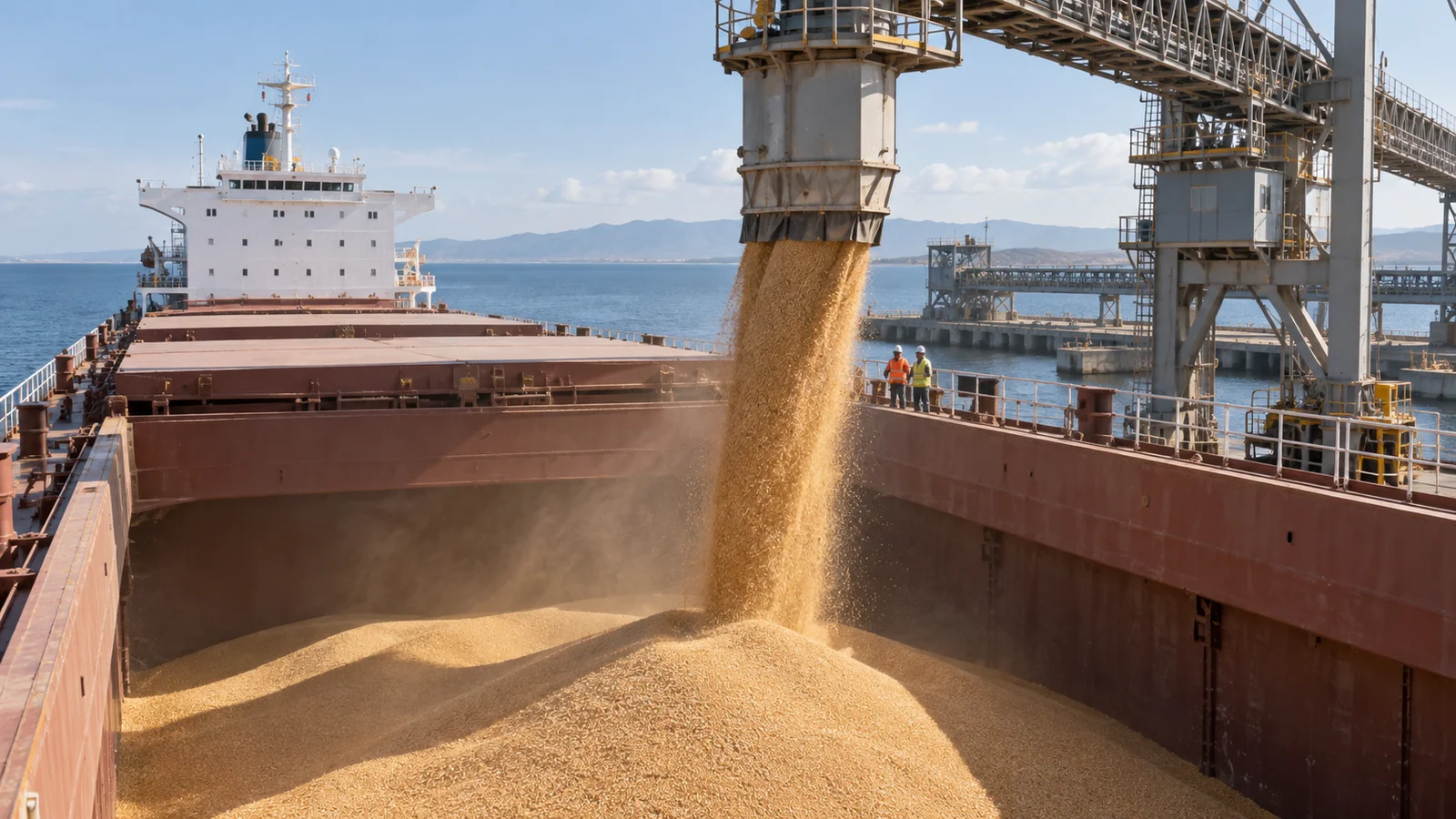
AI-generated editorial illustration.
Grain can suffer quality deterioration that is not obvious from a clean-looking hold or an uneventful voyage. Moisture, temperature, infestation and the condition at loading need to be distinguished when arranging insurance or investigating a loss.
What matters in grain cargo insurance?
Grain cargo insurance should identify the commodity, quality specification, moisture and condition evidence, handling, voyage and valuation. Deterioration may involve pre-shipment characteristics as well as transit conditions. The policy's causes, exclusions and valuation provisions must be reviewed; a quality dispute is not automatically an insured cargo loss.
Build a condition timeline
| Point in the movement | Records to organise |
|---|---|
| Before loading | Agreed specification and representative quality evidence |
| Loading | Cargo condition observations and relevant weather records |
| Voyage | Appropriate carriage and ventilation records |
| Discharge | Survey, sampling and condition findings |
Gard's guidance on ventilation records highlights their evidential importance in moisture disputes. The actual ventilation regime must be determined by competent personnel for the cargo and conditions; this is not a ventilation instruction sheet.
A fictional deterioration dispute
A receiver finds heated or discoloured grain in part of a shipment. One party attributes the problem to carriage; another points to condition at loading. The investigation needs reliable samples, specifications, timing and voyage evidence rather than a conclusion based only on discharge appearance.
Keep sampling records and chain of custody clear. Do not mix affected and unaffected lots before obtaining appropriate advice. Any food-safety or regulatory restrictions on use or disposal must be addressed by qualified parties independently of the insurance assessment.
Explain storage as well as the voyage
For underwriting, provide commodity, origin, value, quantity, quality requirements, storage arrangements, route and dates. Include planned transshipment or extended waiting. Explain fumigation arrangements and relevant certificates without implying that a certificate guarantees the cargo's future condition.
Ask how the wording addresses inherent vice, natural deterioration, infestation, moisture damage, delay and quality warranties. A buyer's specification may be stricter than the insurance contract's loss definition. Establish that difference before treating insurance as a guarantee of commercial acceptance.
Preserve options after discovery
Notify the insurer and relevant transport parties promptly. Obtain survey instructions and document reasonable steps to prevent further damage. Keep separate records for physical loss, treatment, storage, salvage and delay costs so each can be assessed against the relevant terms.
If a sale at reduced value or alternative use is proposed, record the reasoning and seek the required agreement. Avoid destroying evidence through premature disposal, blending or processing where it can reasonably be preserved.
Use the marine cargo guide and cargo valuation guidance. Explore cargo cover enquiries and submit the grain movement with a clear distinction between commercial specification and the insurance requested.
Key takeaways
- Grain cargo insurance should identify the commodity, quality specification, moisture and condition evidence, handling, voyage and valuation.
- Properly identified and handled samples can help compare condition across the journey. Sampling arrangements should be suitable for the cargo and dispute.
Frequently asked questions
What matters in grain cargo insurance?
Grain cargo insurance should identify the commodity, quality specification, moisture and condition evidence, handling, voyage and valuation. Deterioration may involve pre-shipment characteristics as well as transit conditions. The policy's causes, exclusions and valuation provisions must be reviewed; a quality dispute is not automatically an insured cargo loss.
Why preserve grain samples at more than one stage?
Properly identified and handled samples can help compare condition across the journey. Sampling arrangements should be suitable for the cargo and dispute.
Sources & further reading
General information, not a coverage determination or offer. Actual cover is subject to policy wording, insurer terms, underwriting and applicable law.