
Marine Cargo Insurance: Coverage, Cost and Application Guide
How to identify the cargo interest, choose transit cover, understand valuation and prepare evidence for a useful cargo insurance quotation.
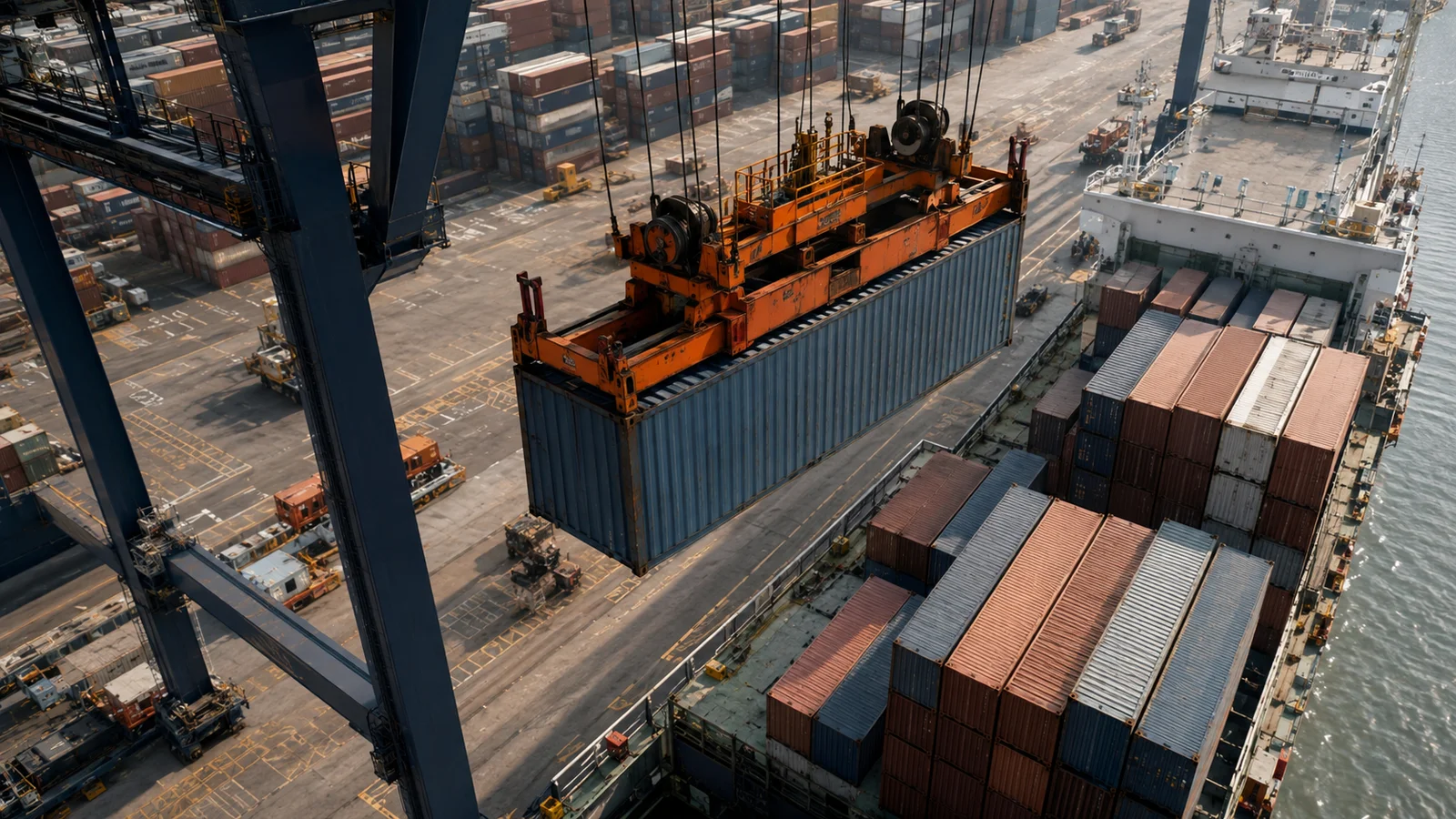
AI-generated editorial illustration.
> Editorial draft — pending specialist insurance and, where relevant, legal/compliance review. Updated 7 September 2026. Examples are hypothetical; the issued policy and applicable law determine actual cover.
Marine cargo insurance protects an insured financial interest in goods during the transit defined by the policy. Despite its name, a cargo contract may include road, rail, inland waterway or air legs associated with an international movement. The actual start, end and storage terms matter more than a broad promise of worldwide shipping protection.
Before asking what the insurance costs, establish who bears the risk, what goods are moving and where the insured journey begins. These facts determine what needs to be insured and prevent two parties from each assuming the other has arranged adequate cover.
Identify the party with the exposure
Read the sale contract and the agreed delivery term. The point at which risk transfers can differ from the point to which the seller pays freight. Ownership, payment and risk of physical loss are separate questions. Documentary-credit requirements may add another layer of insurance documentation.
Under Incoterms 2020, CIF and CIP impose defined seller insurance obligations with different default cover levels. The parties may agree changes, and local law can also matter. The ICC’s own rules are the primary reference; do not infer the full arrangement from three letters on an invoice. See ICC: Incoterms 2020 insurance responsibilities.
State the insured, any loss payee and any bank interest correctly. If goods are sold during transit, discuss how transfers of interest and certificates are handled. Insurance should follow the intended commercial exposure without relying on informal assumptions about who can claim.
Choose the right breadth of cover
Cargo wordings can cover specified perils or use broader all-risks language subject to exclusions. All risks does not mean every financial loss. Examine delay, ordinary leakage, inherent characteristics, unsuitable packing, war and strikes provisions in the actual wording.
The goods themselves may require tailored clauses. A container of durable components, refrigerated produce and bulk oil do not present identical risks. Discuss temperature control, contamination, shortage, theft, breakage and handling damage only where relevant to the shipment.
The Lloyd’s cargo claims manual explains why wording, cause and evidence must be considered together. It is an educational source rather than a substitute for the policy proposed to an applicant. See Lloyd’s cargo claims and recoveries manual.
Define the complete transit
Describe collection, inland haulage, export storage, loading, sea carriage, transshipment, discharge and final delivery. Name planned storage locations and maximum expected durations. If the journey includes temporary storage for distribution or processing, ask whether this remains part of insured transit or requires another arrangement.
Changes can matter after insurance is arranged. A diversion, replacement vessel, extended storage or different final destination should be checked against notification and held-covered provisions, where present. Avoid assuming a warehouse-to-warehouse description covers indefinite warehousing.
For high-value or fragile shipments, identify the custody changes. A signed handover, container seal record or pre-loading survey can establish when damage occurred. The information also helps an insurer understand the practical control of the goods throughout the route.
Agree valuation and limits
The invoice is usually the starting evidence, but the policy’s valuation clause determines the insured amount. Freight, duties and an agreed uplift may be relevant depending on the commercial arrangement. Do not apply a percentage mechanically when it duplicates costs already included in the invoice.
Check limits per shipment, conveyance and location. Several consignments on one vessel or in one warehouse can accumulate beyond the value of any individual invoice. A large annual turnover figure does not answer whether the single highest exposure fits within the policy.
If market prices move sharply while commodities are in transit, discuss whether the agreed valuation remains suitable. Insurance is not a general hedge against adverse price movements, so the commercial team should separate physical loss protection from trading risk.
What determines the quoted cost?
An underwriter considers the goods, packing, value, route, transport, storage, claims record and requested terms. Frequency and maximum shipment size may affect whether a single-shipment policy or annual declaration arrangement is more practical. Deductibles and special conditions can change the economics of a quote.
Supply a representative route schedule, loss history and realistic maximum values. A quotation based on incomplete details may need revision when the vessel or cargo is confirmed. Published rates or a website estimate should not be treated as binding terms for a particular consignment.
A hypothetical export shipment
An exporter sells industrial pumps with transport paid to an inland customer warehouse. The goods travel by truck, sea and a second truck, with a planned transshipment. The exporter and buyer first confirm the sale term and risk-transfer point, then request cover for the actual interest and journey.
The insurance submission includes the packing specification, invoice value, weight, handling instructions and transshipment plan. It also states that one pump is a high-value unit. This prompts a check of the per-item and per-conveyance limits rather than relying on the average invoice value.
If damage is discovered at delivery, the recipient records exceptions, preserves packing and notifies the agreed claims contact. Photographs, delivery notes and survey findings help distinguish transit damage from a manufacturing issue. No outcome is assumed before that investigation.
Apply with a concise evidence pack
Prepare commercial invoices, cargo descriptions, packing details, route and dates, transport documents where available and a claims summary. Identify any special handling or lender requirements early. Insurer application forms show the importance of product-specific information rather than a generic request for “full cover”; see Gard marine insurance application forms.
Before shipment, obtain the final certificate and wording, confirm attachment and check open requirements. Give the receiving team practical claims instructions so that the evidence needed for a potential recovery is preserved from the first sign of loss.
Frequently asked questions
Does all-risks cargo cover include delay?
Not automatically. All-risks language remains subject to exclusions, and ordinary delay losses commonly require separate analysis or specialist cover.
Is the carrier’s insurance enough?
The carrier’s liability depends on law, contract and defences. Cargo insurance protects the insured goods under its own terms and may provide a different route to recovery.
Can an annual policy cover every shipment?
Only shipments within the agreed scope, limits and declaration rules. Unusual cargoes, routes or values may require prior agreement.
Related reading and next step
Marine Insurance for Crude Oil Cargo; How Energy Cargo Insurance Protects High-Value Shipments; Voyage Marine Insurance vs Annual Marine Insurance.
Prepare a marine insurance enquiry with the relevant vessel, cargo and voyage details. Availability requires underwriting, compliance review and confirmed capacity. An enquiry, estimate or payment does not by itself establish cover.
Sources and editorial review
- ICC: Incoterms 2020 insurance responsibilities
- Lloyd’s cargo claims and recoveries manual
- Gard marine insurance application forms
Prepared by the MarineEnergyCover editorial desk. No individual expert reviewer has yet approved this draft. Source references describe their own legal regimes or policy forms and do not establish MarineEnergyCover’s regulatory status, authority or available terms.
Frequently asked questions
Does all-risks cargo cover include delay?
Not automatically. All-risks language remains subject to exclusions, and ordinary delay losses commonly require separate analysis or specialist cover.
Is the carrier’s insurance enough?
The carrier’s liability depends on law, contract and defences. Cargo insurance protects the insured goods under its own terms and may provide a different route to recovery.
Can an annual policy cover every shipment?
Only shipments within the agreed scope, limits and declaration rules. Unusual cargoes, routes or values may require prior agreement.
Sources & further reading
- ICC: Incoterms 2020 insurance responsibilities
- Lloyd’s cargo claims and recoveries manual
- Gard marine insurance application forms
General information, not a coverage determination or offer. Actual cover is subject to policy wording, insurer terms, underwriting and applicable law.
Related reading
- Shipping Insurance for Sellers: Who Arranges Cargo Cover?
- Ocean Marine Insurance vs Carrier Liability: Where Gaps Arise
- Freight Insurance: Separate Goods, Liability and Freight Earnings
- Marine Insurance for Crude Oil Cargo
- How Energy Cargo Insurance Protects High-Value Shipments
- Voyage Marine Insurance vs Annual Marine Insurance
- Explore marine insurance products