
Machinery Breakdown Risks in Commercial Shipping
Prepare machinery information for underwriting and understand the separate questions of damaged components, repairs and interrupted earnings.
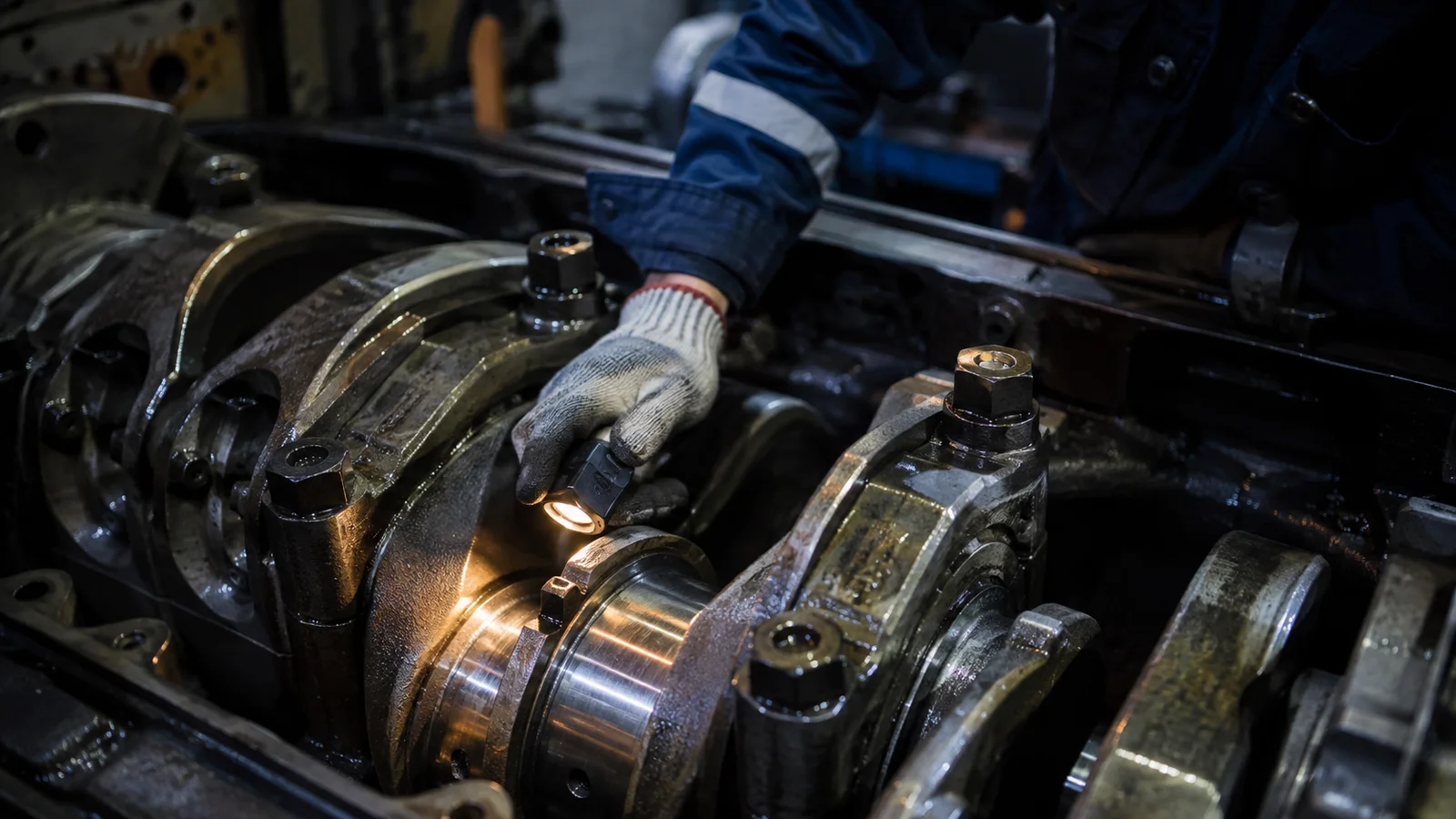
AI-generated editorial illustration.
Machinery failure can stop a vessel from trading and create a complicated insurance file. The damaged component, the cause of failure, consequential damage, repair decisions and lost operating time may each require different evidence. A general statement that a vessel has hull and machinery insurance does not answer every question.
The practical objective is to describe the machinery and maintenance accurately before inception, then preserve a clear technical and financial record if an incident occurs. This guide explains insurance preparation, not engineering instructions or a diagnosis of any particular failure.
Describe the machinery that matters to the operation
Provide the vessel’s identity, type, year, class and relevant propulsion or auxiliary machinery information requested by the underwriter. Explain unusual equipment, major conversions, recent repairs and any known operating restrictions. Where the vessel depends on specialist components with long lead times, identify that fact.
The application should distinguish machinery value from other requested vessel values where required. Do not assume that a recent purchase price or repair invoice establishes the appropriate insured value for every component or interest.
If the vessel has recently changed manager, explain who holds maintenance records and how outstanding work is being transferred. A missing handover can leave important technical questions unresolved even when the registry information is correct.
Read the policy’s treatment of damage and defects
Different wordings address machinery damage, defects, maintenance-related issues and additional deductions in different ways. The cause of a failure and the distinction between an affected part and resulting damage can matter. Avoid treating every engineering breakdown as automatically insured.
Nordic Marine Insurance Plan: Chapter 12, Damage is an example of a marine wording with separate provisions addressing damage, inadequate maintenance, design issues, repairs and deductions. It illustrates the range of contractual questions to review, not a universal answer or a statement that a MarineEnergyCover policy adopts that wording.
Ask the actual underwriter to identify the relevant clauses and explain unfamiliar terms. Check endorsements and the schedule together, especially where a particular machine or operation has special conditions.
Present maintenance evidence that answers the question
A large maintenance archive is not always the best initial submission. Start with a concise description of the maintenance system, recent significant work and outstanding recommendations. Supply the relevant supporting reports when requested.
Distinguish routine servicing, defect correction, casualty repair and planned upgrades. Identify who performed the work and whether testing or acceptance remains outstanding. An invoice records a commercial charge; it does not necessarily establish the technical scope or outcome.
If an issue is unresolved, disclose it clearly. Do not describe a planned repair as completed merely because parts have been ordered. The underwriter needs the current condition and intended operation, not only the hoped-for position at a later date.
A fictional bearing-failure example
A vessel experiences a serious bearing failure shortly after scheduled maintenance. The owner has an invoice for the service, but the cause of the failure is not yet known. Several possibilities may need professional investigation, and early appearances should not be treated as a final diagnosis.
The claim record should preserve relevant maintenance documents, operating information, reports and evidence as directed by the appointed specialists. The insurer will need to assess the facts against the policy. The owner should avoid declaring that the incident must be covered simply because it followed maintenance, or must be excluded because a component failed.
This example explains the need for evidence. It does not offer an engineering conclusion or predict an insurance adjustment.
Separate repair decisions from the claim calculation
Repairs may involve temporary work, replacement parts, transport, specialist attendance and yard time. Keep estimates and instructions organized by purpose. If the vessel also undergoes unrelated maintenance while stopped, distinguish that work from the casualty-related scope.
Ask the actual claims team about survey, approval and documentation requirements for non-emergency expenditure. Necessary emergency action and safe vessel operation remain with the responsible professionals. A portal acknowledgement is not a technical instruction or approval of every proposed cost.
Record changes in the work scope and the reason for them. A clear file helps the surveyor and adjuster understand why costs developed and which amounts remain estimates.
Consider income interruption independently
Time out of service may create an exposure beyond physical repair costs. Loss-of-hire or another income-related arrangement, where available, has its own trigger, waiting period, daily amount and limits. It should not be assumed to follow every machinery claim automatically.
Prepare a realistic account of the business’s dependence on the vessel and the consequences of repair delays. Keep contractual off-hire provisions separate from the insurer’s obligations. A charterparty consequence is not itself proof of recoverability under an insurance policy.
If spare-part availability is a concern, explain it during underwriting instead of assuming that any resulting delay is included in hull cover.
Use the technical record at renewal
Update the loss history with the current claim status and explain completed corrective actions. Identify remaining recommendations and changes in operation or maintenance. Do not promise that an incident can never recur.
For an enquiry, use the Hull & Machinery page and submit the vessel details and relevant technical information. Coverage remains subject to the actual wording, conditions, underwriting and approved policy information; neither a maintenance certificate nor an online estimate guarantees a claims outcome.
Frequently asked questions
Does machinery insurance pay for ordinary maintenance?
Do not assume that. Maintenance and insured damage are different questions, and the policy’s provisions determine the treatment. Present the work scope accurately and ask the provider to explain the applicable wording.
Does a repair invoice prove a policy condition is satisfied?
Not necessarily. The insurer may need technical reports, testing or confirmation addressing the particular condition. Receipt of an invoice does not automatically establish acceptance of the work.
Are lost earnings included in a machinery-damage claim?
They require separate review. Income-related cover has its own triggers and limits, even where the underlying physical damage is insured under the hull policy.
Related reading
- How marine insurance deductibles work
- How claims history affects marine insurance pricing
- What to do after a marine loss or incident
Sources and editorial review
Prepared by the MarineEnergyCover editorial desk. Updated 7 September 2026. Expert and, where relevant, compliance review are pending; no reviewer has been appointed. Examples are fictional and explain questions to investigate, not coverage decisions. Sources provide general context and do not describe MarineEnergyCover’s capacity, authority or policy terms. Insurance availability remains subject to underwriting, applicable law and the agreed contract.
Frequently asked questions
Does machinery insurance pay for ordinary maintenance?
Do not assume that. Maintenance and insured damage are different questions, and the policy’s provisions determine the treatment. Present the work scope accurately and ask the provider to explain the applicable wording.
Does a repair invoice prove a policy condition is satisfied?
Not necessarily. The insurer may need technical reports, testing or confirmation addressing the particular condition. Receipt of an invoice does not automatically establish acceptance of the work.
Are lost earnings included in a machinery-damage claim?
They require separate review. Income-related cover has its own triggers and limits, even where the underlying physical damage is insured under the hull policy.
Sources & further reading
General information, not a coverage determination or offer. Actual cover is subject to policy wording, insurer terms, underwriting and applicable law.
Related reading
- PFOS Firefighting Foam on Ships: The 2026 Survey Evidence File
- Methanol-Fuelled Ships: Underwriting the Fuel-System Change
- Marine Cyber Insurance: Map Vessel and Shore System Losses
- How Marine Insurance Deductibles Work
- How Claims History Affects Marine Insurance Pricing
- What to Do After a Marine Loss or Incident
- Explore marine insurance products