
What to Do After a Marine Loss or Incident
Organize notifications, factual evidence and claim records after a marine incident while keeping emergency response and insurance decisions distinct.
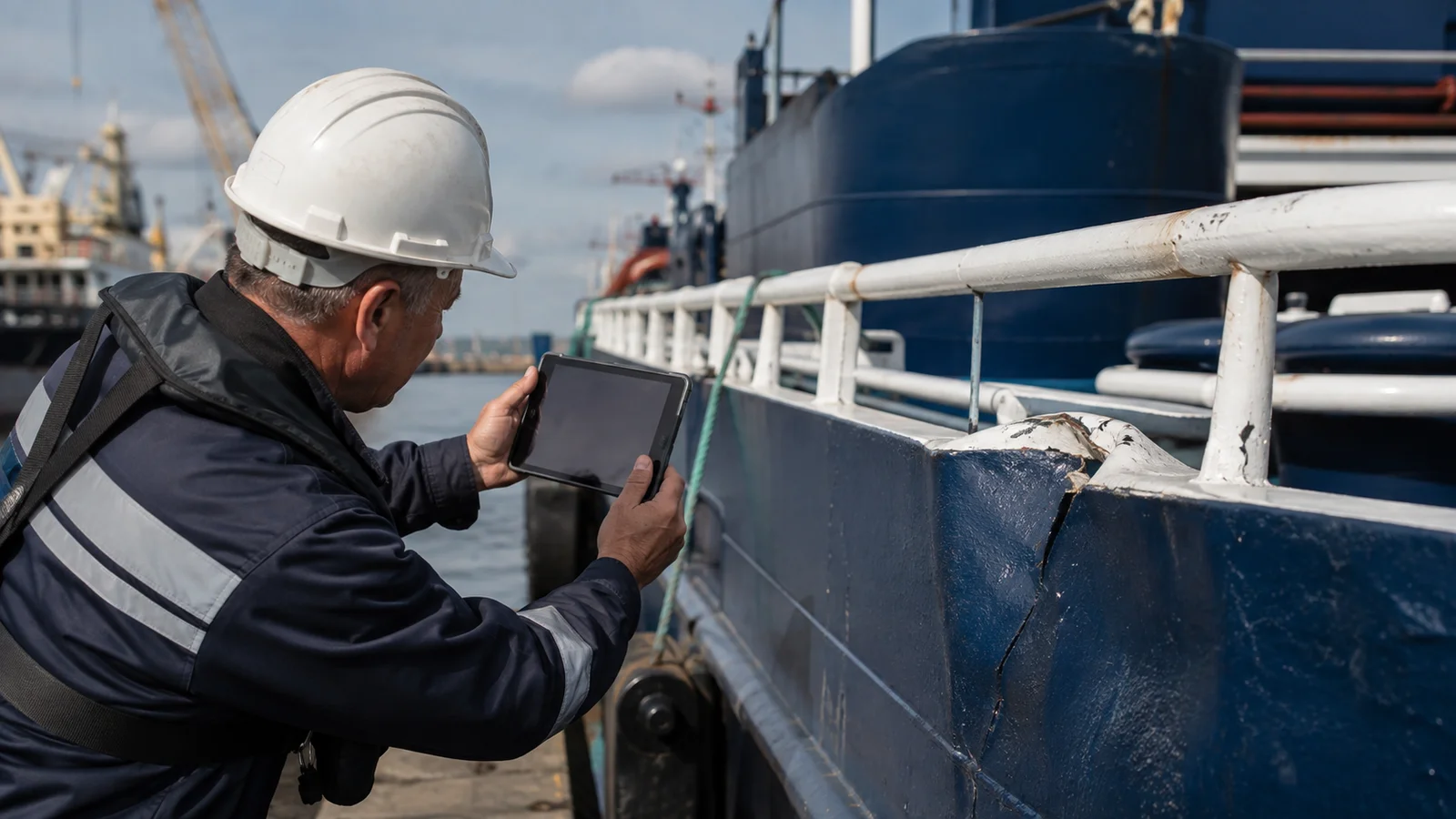
AI-generated editorial illustration.
A marine incident can demand immediate attention from several teams: the master and operator, emergency responders, insurers, surveyors, cargo interests and authorities. The first insurance objective is to communicate reliable facts and preserve the ability to investigate, while life safety and the professional emergency response take priority.
This guide is an administrative preparation aid. It does not replace a vessel’s emergency procedures, the master’s decisions, instructions from competent authorities or advice from the appointed claims specialists. Do not wait for a website form to respond before taking necessary emergency action.
Notify the appropriate contacts promptly
Use the emergency and claims contacts in the actual policy documents or those independently verified with the provider. Different interests may have different insurers. A casualty can involve hull damage, cargo, liabilities and lost income at the same time.
Give the policy reference if available, vessel name and IMO, location, time and a concise description of what is known. Identify immediate safety concerns and the person coordinating communications. If the cause or loss amount is unknown, say so and provide updates as information becomes reliable.
UK P&I Club: Claims describes the multidisciplinary approach used by a P&I provider in maritime casualties. It is an example of specialist claims handling, not a promise about MarineEnergyCover’s response resources or the outcome of an individual claim.
Create one factual chronology
Record events with dates, times and time zones. Distinguish direct observations from information reported by others. Note who supplied each update and retain the underlying message or document where appropriate.
Avoid premature conclusions about fault, cause or coverage. A brief factual description is more useful than speculation that later needs correction. If an earlier report proves inaccurate, add a dated clarification instead of silently replacing the original account.
Nominate a person to maintain the chronology so that insurers, surveyors and internal teams are not working from conflicting versions. Keep sensitive information in approved channels and limit distribution to people who need it.
Preserve relevant documents and evidence safely
Depending on the incident, useful material may include photographs, reports, logs, shipping documents, invoices, survey records and correspondence. Follow the appointed specialists’ instructions about preservation and collection. Do not put people at risk to obtain a photograph or enter an unsafe area for a document.
Keep original files where possible and identify when and by whom they were created. For damaged cargo, relevant records may concern condition at dispatch, handling, delivery and the transport chain. For machinery damage, technical and maintenance records may be important.
Do not dispose of damaged property or alter evidence unnecessarily before obtaining appropriate advice, except where necessary for safety or loss prevention under the circumstances. Record urgent actions and their reasons so that later reviewers can understand the decision.
Keep expenditure and commitments organized
Ask the actual insurer or appointed claims contact about approval requirements for non-emergency work, surveys or other costs. Necessary urgent actions may arise before a complete insurance assessment is possible, but urgency does not establish that every invoice will be reimbursed.
Maintain an expense log with supplier, purpose, date, amount, currency and supporting documentation. Separate estimates from committed and paid costs. Record who instructed the work and any relevant written authorization.
Obtain specialist advice before making liability admissions, settlements or contractual commitments that could affect the claim. Cooperation and prompt factual reporting do not require guessing the legal result of an incident.
A fictional damaged-cargo example
A consignee discovers damaged crates during delivery. The receiving team records the visible condition, preserves available packaging and shipping records, and notifies the appropriate parties through the required process. It separates the observed damage from an unverified theory about when it happened.
The claim file then brings together invoice, packing information, transport documents, photographs, delivery records and any survey instructions. The insurer can assess the evidence against the policy and investigate recovery possibilities where relevant.
This example does not determine whether the damage is insured. It demonstrates how a disciplined record helps the claim progress without overstating facts.
Use the portal as a case record
MarineEnergyCover’s specified claims form records policy, certificate, vessel, incident date and location, type, description, estimated loss and emergency status. Relevant attachments can include photos, reports, surveys, invoices, bills of lading, authority reports and correspondence.
Submitting the form creates a report for review. It does not decide coverage or replace any notification required by the actual policy or applicable law. Monitor messages and answer follow-up questions with the requested evidence.
Keep a list of outstanding actions, responsible people and deadlines confirmed by the appointed specialists. If circumstances change materially, provide a dated update. Use the claims page for the reporting route, while emergency assistance and formal claims decisions remain with the responsible professionals.
Frequently asked questions
Should I wait until I know the full loss amount?
No general waiting rule should be assumed. Follow the policy’s notification requirements and report reliable initial facts, identifying estimates and unknowns. Update the claim as the position becomes clearer.
Does a claim reference mean the loss has been accepted?
No. It confirms that a report has been recorded. Coverage, liability, valuation and payment require assessment under the actual contract and facts.
Can the website assistant decide whether an incident is covered?
No. It can explain the reporting route and facilitate human contact. The actual insurer and authorized claims professionals must assess the policy and evidence.
Related reading
- How marine insurance responds to grounding risks
- Vessel collision risk and marine insurance
- Machinery breakdown risks in commercial shipping
Sources and editorial review
Prepared by the MarineEnergyCover editorial desk. Updated 7 September 2026. Expert and, where relevant, compliance review are pending; no reviewer has been appointed. Examples are fictional and explain questions to investigate, not coverage decisions. Sources provide general context and do not describe MarineEnergyCover’s capacity, authority or policy terms. Insurance availability remains subject to underwriting, applicable law and the agreed contract.
Frequently asked questions
Should I wait until I know the full loss amount?
No general waiting rule should be assumed. Follow the policy’s notification requirements and report reliable initial facts, identifying estimates and unknowns. Update the claim as the position becomes clearer.
Does a claim reference mean the loss has been accepted?
No. It confirms that a report has been recorded. Coverage, liability, valuation and payment require assessment under the actual contract and facts.
Can the website assistant decide whether an incident is covered?
No. It can explain the reporting route and facilitate human contact. The actual insurer and authorized claims professionals must assess the policy and evidence.
Sources & further reading
General information, not a coverage determination or offer. Actual cover is subject to policy wording, insurer terms, underwriting and applicable law.
Related reading
- Cargo Claim Time Limits: Keep Notice, Suit and Policy Deadlines Separate
- General Average and Marine Insurance: Cargo Release Checklist
- How Marine Insurance Responds to Grounding Risks
- Vessel Collision Risk and Marine Insurance
- Machinery Breakdown Risks in Commercial Shipping
- Explore marine insurance products