
Marine Insurance for Chemical Tankers
How chemical cargo compatibility, tank coatings, cleaning, sampling and contractual responsibilities shape a chemical tanker insurance submission.
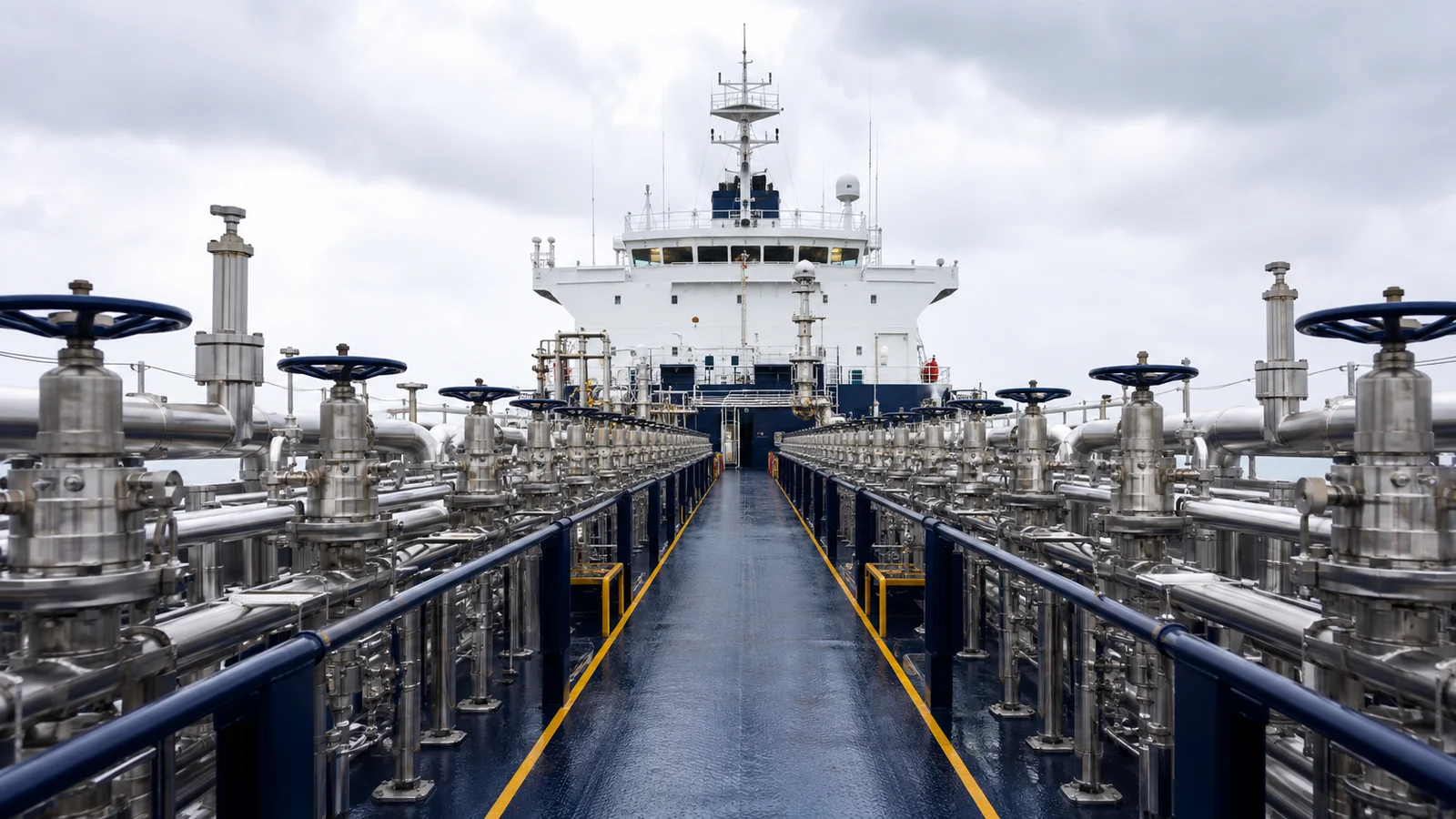
AI-generated editorial illustration.
> Editorial draft — pending specialist insurance and, where relevant, legal/compliance review. Updated 7 September 2026. Examples are hypothetical; the issued policy and applicable law determine actual cover.
Chemical tanker insurance depends on the combination of vessel design, cargo characteristics and operating procedures. A parcel tanker can carry several products with different handling requirements during the same voyage. A small error in segregation or cleaning can therefore create a loss very different from a conventional hull casualty.
The insurance submission should make those differences understandable. It needs to connect the ship’s technical suitability with the actual cargo programme and the operator’s contractual responsibilities.
Describe the cargo capability accurately
Provide the vessel’s class, applicable certificates, tank arrangement, materials and coatings. Identify the products normally carried and any unusual cargoes planned. Technical suitability should be confirmed by the operator’s competent team; an insurance application is not a substitute for cargo approval.
The IMO’s International Bulk Chemical Code connects the hazards of specified chemicals with construction and equipment standards. It distinguishes ship types according to the hazards involved. The applicable code and amendments should be checked for the vessel and product. See IMO International Bulk Chemical Code.
Explain any restrictions on temperatures, loading rates, compatible previous cargoes or cleaning methods that materially affect the operation. Avoid broad statements such as “all chemicals” when the vessel’s certification and operating practice are narrower.
Separate property and liability exposures
Hull and machinery cover may address insured damage to cargo pumps, piping and other vessel equipment. Liability cover may address claims alleging that the operator damaged cargo or caused injury, pollution or property damage. Cargo insurance concerns the goods themselves under a separate insured interest.
These policies can require different evidence after the same incident. A damaged tank coating is a vessel property issue; contamination of a parcel and the receiver’s resulting claim involve additional questions. Loss of income while the ship is cleaned or repaired requires its own coverage analysis.
Published insurer rules demonstrate the importance of detailed terms and exclusions rather than product labels. See Gard rules, statutes and guidance. The proposed programme should identify the relevant interests without assuming that one policy pays every consequence.
Explain contamination controls
Describe how the operator verifies tank cleanliness, cargo compatibility, line segregation and valve position. Include the sampling protocol, custody of samples and records of previous cargoes where relevant. The useful underwriting question is how the process is controlled and evidenced.
For temperature-sensitive or reactive cargoes, explain the monitoring and escalation procedures applicable to the product. Do not convert general internet guidance into shipboard instructions. Technical handling must follow the product information, approved procedures and competent operational advice.
If the operator relies on specialist cleaning contractors or laboratories, identify their role and the relevant contractual arrangements. An outsourced task still needs clear responsibility and documentation.
Present inspections and corrective action
Supply recent relevant inspection reports with a concise explanation of unresolved observations. An underwriter needs to distinguish a minor documentation issue from a defect affecting cargo containment or safe operation. Provide evidence when corrective work has been completed.
Where SIRE documentation is used, identify the correct report and date. OCIMF’s inspection process is an operational assessment tool rather than a blanket declaration that a vessel is acceptable to every insurer or charterer. See OCIMF: requesting a SIRE 2.0 inspection.
Discuss changes in management or cargo mix. A vessel moving into more demanding parcel trades may need different procedures and evidence even if its basic technical particulars remain unchanged.
Review the commercial promises
Chemical carriage contracts can contain quality specifications, cleaning obligations, segregation requirements and special indemnities. Send unusual provisions for insurance and legal review before signature. A guarantee of a commercial outcome may go beyond the liability normally covered by a policy.
Check who is responsible for cargo nomination, loading instructions, sampling and terminal information. Record the chain of communication between charterer, shipper, terminal and vessel. Ambiguity about instructions can become a major issue when a parcel is rejected.
Also discuss liabilities associated with cargo retained aboard, disposal, cleaning and contamination of shore equipment. Availability and scope depend on the particular policy, jurisdiction and facts; none should be assumed from the phrase “chemical tanker insurance”.
A hypothetical multi-parcel claim
A vessel carries three parcels. At the first discharge port, a laboratory reports that one parcel is outside specification. The other parcels remain aboard. The operator must assess the cargo condition, protect the unaffected goods and preserve evidence without assuming a common cause.
The claims team requests load-port samples, tank and line histories, cleaning records, cargo plans and test methods. If results differ between laboratories, the sampling and chain-of-custody evidence becomes important. The operator should coordinate retesting and mitigation with technical advisers and the relevant insurer.
The loss may involve a manufacturing issue, contamination before loading, shipboard mixing or another cause. Each possibility changes the liability and insurance analysis. The example shows why records specific to each parcel are more useful than a general statement that the tanks were clean.
Prepare a focused renewal submission
Summarise the cargo mix, trading, maximum parcel values and operating changes. Present claims by cause and identify improvements that address repeat incidents. Include the vessel’s highest combined exposure, not only the average parcel value.
Compare quotations for relevant cargo conditions, liability limits, deductibles and treatment of unusual contracts. Ensure that any special restrictions can be followed by the chartering and operations teams. The final cover summary should be practical enough to use before accepting the next cargo nomination.
Frequently asked questions
Does a Certificate of Fitness establish insurance cover?
No. It addresses the vessel’s technical certification for specified carriage. Insurance acceptance and policy terms must be agreed separately.
Is off-specification cargo always a covered loss?
No. The cause, insured interest, contractual liability and policy wording must be examined. A quality dispute may arise without an insured transit event.
Should previous cargoes be disclosed?
Provide the cargo-history information requested and any material facts about compatibility or contamination risk. Technical and insurance teams should agree what the submission needs.
Related reading and next step
Tanker Insurance: Cover for Oil, Product and Chemical Tankers; Marine Insurance for Crude Oil Cargo; Charterers' Liability Insurance Explained.
Prepare a marine insurance enquiry with the relevant vessel, cargo and voyage details. Availability requires underwriting, compliance review and confirmed capacity. An enquiry, estimate or payment does not by itself establish cover.
Sources and editorial review
- IMO International Bulk Chemical Code
- Gard rules, statutes and guidance
- OCIMF: requesting a SIRE 2.0 inspection
Prepared by the MarineEnergyCover editorial desk. No individual expert reviewer has yet approved this draft. Source references describe their own legal regimes or policy forms and do not establish MarineEnergyCover’s regulatory status, authority or available terms.
Frequently asked questions
Does a Certificate of Fitness establish insurance cover?
No. It addresses the vessel’s technical certification for specified carriage. Insurance acceptance and policy terms must be agreed separately.
Is off-specification cargo always a covered loss?
No. The cause, insured interest, contractual liability and policy wording must be examined. A quality dispute may arise without an insured transit event.
Should previous cargoes be disclosed?
Provide the cargo-history information requested and any material facts about compatibility or contamination risk. Technical and insurance teams should agree what the submission needs.
Sources & further reading
- IMO International Bulk Chemical Code
- Gard rules, statutes and guidance
- OCIMF: requesting a SIRE 2.0 inspection
General information, not a coverage determination or offer. Actual cover is subject to policy wording, insurer terms, underwriting and applicable law.