
Tanker Insurance: Cover for Oil, Product and Chemical Tankers
A practical guide to arranging tanker cover around vessel damage, cargo handling, pollution, charter obligations and specialist operations.
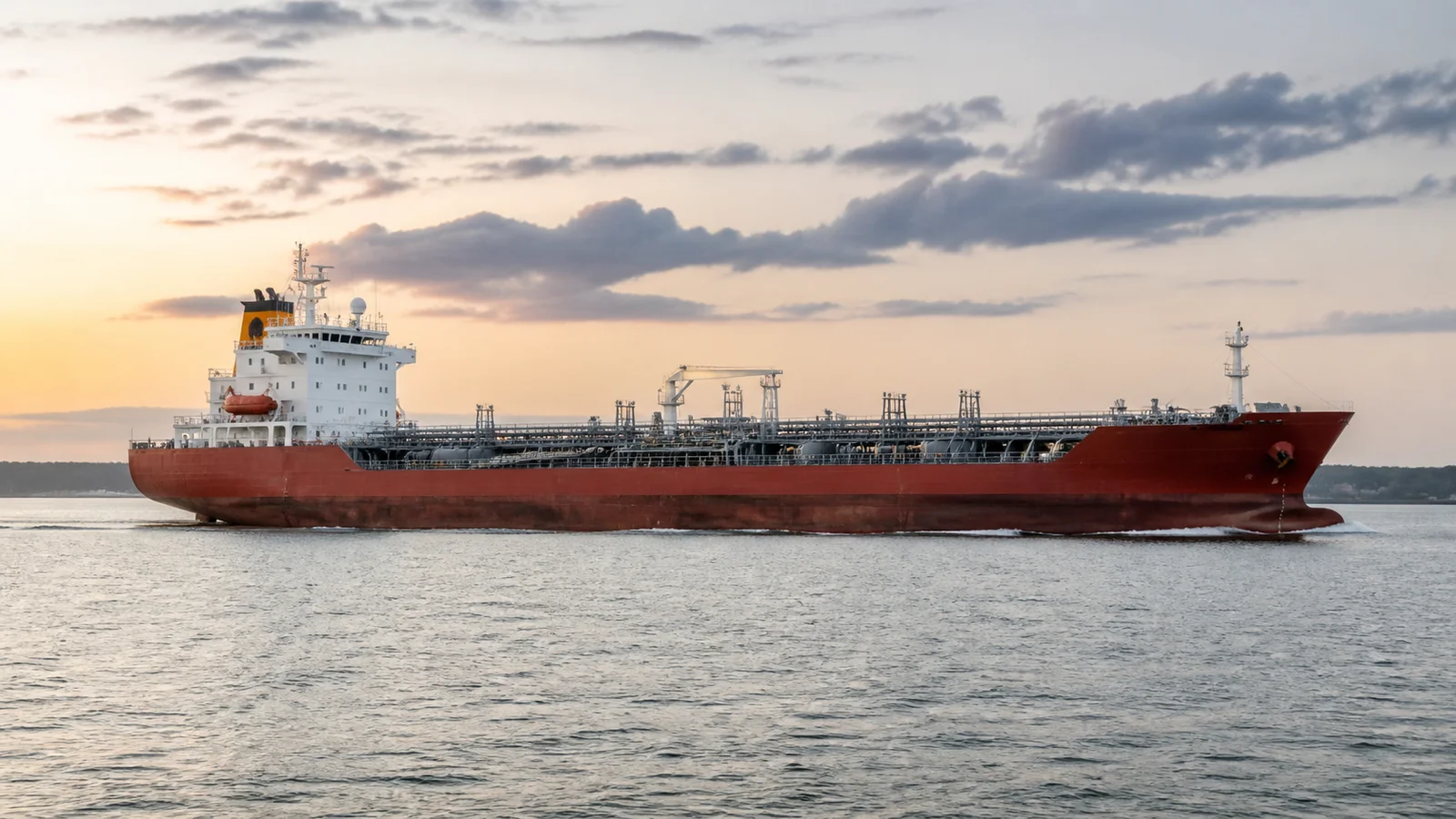
AI-generated editorial illustration.
> Editorial draft — pending specialist insurance and, where relevant, legal/compliance review. Updated 7 September 2026. Examples are hypothetical; the issued policy and applicable law determine actual cover.
Tanker insurance needs to reflect what the vessel carries and how it handles the cargo. A crude carrier, a product tanker and a parcel chemical tanker can all transport liquid cargo, yet their equipment, contamination exposures and terminal operations differ. A policy submission that says only “tanker” leaves important underwriting questions unanswered.
Start by separating the owner’s vessel, the liabilities created by operating it and the cargo interest. The same commercial group may be involved in all three, but each requires an explicit insurance arrangement.
Build the programme around the operation
Hull and machinery addresses insured damage to the ship and equipment. P&I addresses specified third-party liabilities. Cargo insurance addresses insured goods, while war and income covers require separate consideration. The liability categories described by the International Group show why tanker claims can involve far more than repairs to steel. See International Group: the role of P&I clubs.
Prepare an operating profile with vessel size, age, flag, class, tank configuration, cargo systems and normal trading. Explain whether the ship moves crude, refined products, edible oils, chemicals or another liquid. Include changes between cargo grades, tank cleaning, heating, inerting, pumping arrangements and transfer operations relevant to the actual vessel.
The purpose is not to turn the insurance form into an engineering manual. It is to identify the activities that could change loss frequency, loss severity or the wording required.
Distinguish the tanker types
For a crude carrier, cargo quantity measurement, cargo and bunker pollution, large values and terminal access can dominate the discussion. A product tanker may move grades where small contamination affects a large parcel. A chemical tanker may carry multiple parcels with different compatibility, temperature and handling requirements.
The IMO’s IBC Code links chemical cargo hazards to construction and equipment requirements. Gas carriers are addressed through a different technical code, the IGC Code. These distinctions help explain why a generic tanker questionnaire may need specialist supplements. See IMO International Bulk Chemical Code and IMO International Gas Carrier Code.
Do not assume a vessel is suitable for a cargo because it has carried a similar product. The technical team should confirm the applicable certificates, cargo suitability and operating limits. The insurance team then needs an accurate description of that confirmed operation.
Present inspection and management evidence
Provide current class records, statutory certificates, relevant inspection reports and a concise account of open observations. Where SIRE reports are relevant to the vessel’s commercial activity, identify the inspection date and corrective actions. OCIMF’s published inspection-request process provides context for the programme; an inspection report should not be described as an insurer’s acceptance. See OCIMF: requesting a SIRE 2.0 inspection.
Underwriters benefit from evidence of shore oversight, crew competence and maintenance of cargo systems. Explain how the operator records tank cleanliness, verifies valve line-up, samples cargo and responds to alarms. Give examples of completed improvements after past incidents rather than broad claims that the operator follows best practice.
If management is changing, show the handover plan. A strong historical record under one manager does not by itself establish the new manager’s arrangements for crewing, maintenance and emergency response.
Examine cargo and pollution interfaces
A cargo claim may arise because a parcel is contaminated, short or delivered outside specification. The cargo owner’s property insurance and the vessel operator’s liability policy ask different questions. Preserve loading records, tank history, samples and transfer logs because they help establish where the condition arose.
Pollution requires an additional distinction between the source of the substance, legal liability and any compulsory financial security requirements. The relevant regime may depend on cargo, vessel and jurisdiction. A standard commercial certificate is not interchangeable with a convention certificate issued or accepted by the appropriate authority.
Tell the underwriter about ship-to-ship transfers, lightering, floating storage and unusual terminals. Specify who controls each operation and the contracts used. These activities should be examined on their facts rather than treated as automatically covered or automatically unavailable.
A hypothetical product contamination incident
A product tanker loads two grades into separate tanks. At discharge, the receiver alleges that one parcel fails its agreed specification. Before treating the entire cargo value as an insurance loss, establish the original specification, sampling chain, tank allocation and testing method.
The owner’s response should coordinate the ship, cargo surveyor, laboratory and liability handler. Representative retained samples and dated valve records can be more useful than competing assumptions about the cause. Mitigation might involve segregation, retesting or an alternative commercial use, but expenditure and disposal decisions require appropriate technical and insurer involvement.
The hypothetical illustrates a practical underwriting point: good cargo procedures create evidence as well as reducing risk. Insurers may need to distinguish pre-existing quality, shipboard contamination, shore handling and a purely contractual disagreement.
Prepare a quote comparison that operations can use
Compare insured values, liability limits, pollution provisions, deductibles, navigation limits and war terms. Add cargo-specific conditions, survey requirements, cancellation provisions and claims contacts. Check whether any quoted term assumes a cargo restriction the vessel cannot meet commercially.
Review charterparty insurance clauses and terminal agreements alongside the policy. If a contract calls for a particular insurer, limit or certificate, confirm its acceptability with the relevant counterparty before committing the voyage. Availability depends on the actual risk, lawful trade and insurer capacity; a completed application is the start of that assessment.
Frequently asked questions
Is cargo insurance included in tanker insurance?
Not necessarily. The vessel owner’s liability to cargo interests differs from property insurance for the cargo itself. Confirm each insured interest separately.
Does a successful inspection guarantee cover?
No. Inspections provide evidence for assessment. Insurers still consider policy terms, management, claims, trading, compliance and capacity.
Can one policy cover several tanker types?
A fleet programme may include several types, but each vessel and operation must be declared and accepted under the programme’s terms.
Related reading and next step
Insurance Requirements for Oil Tankers; Marine Insurance for Chemical Tankers; Insurance Considerations for LNG and LPG Carriers.
Prepare a marine insurance enquiry with the relevant vessel, cargo and voyage details. Availability requires underwriting, compliance review and confirmed capacity. An enquiry, estimate or payment does not by itself establish cover.
Sources and editorial review
- IMO International Bulk Chemical Code
- IMO International Gas Carrier Code
- OCIMF: requesting a SIRE 2.0 inspection
- International Group: the role of P&I clubs
Prepared by the MarineEnergyCover editorial desk. No individual expert reviewer has yet approved this draft. Source references describe their own legal regimes or policy forms and do not establish MarineEnergyCover’s regulatory status, authority or available terms.
Frequently asked questions
Is cargo insurance included in tanker insurance?
Not necessarily. The vessel owner’s liability to cargo interests differs from property insurance for the cargo itself. Confirm each insured interest separately.
Does a successful inspection guarantee cover?
No. Inspections provide evidence for assessment. Insurers still consider policy terms, management, claims, trading, compliance and capacity.
Can one policy cover several tanker types?
A fleet programme may include several types, but each vessel and operation must be declared and accepted under the programme’s terms.
Sources & further reading
- IMO International Bulk Chemical Code
- IMO International Gas Carrier Code
- OCIMF: requesting a SIRE 2.0 inspection
- International Group: the role of P&I clubs
General information, not a coverage determination or offer. Actual cover is subject to policy wording, insurer terms, underwriting and applicable law.