
Vessel Collision Risk and Marine Insurance
How hull damage, third-party liabilities, cargo interests and evidence gathering fit together after a vessel collision.
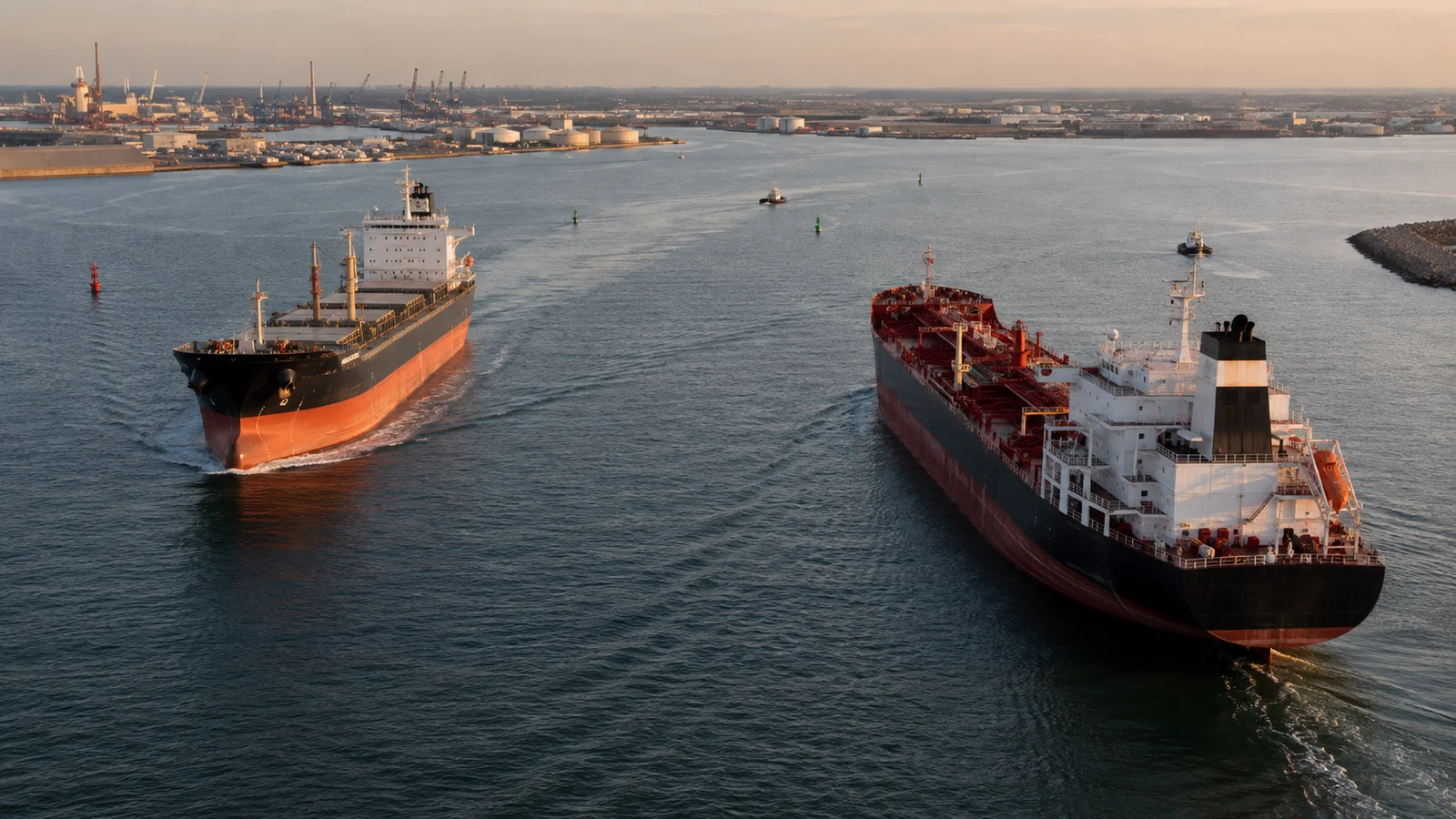
AI-generated editorial illustration.
A collision can involve damage to both vessels, cargo interests, injuries, pollution concerns and competing claims. The insurance response depends on the affected interests, the facts and the wording of the relevant policies. There is no single rule that every consequence belongs to the vessel owner’s hull insurer.
This guide helps a shipping business prepare for the insurance and documentation questions. It does not instruct a master on collision avoidance or determine fault after an incident. Navigation, emergency response and legal liability require the responsible professionals to assess the actual circumstances.
Know the difference between own damage and liability
Damage to the insured vessel is one interest. Liability for another vessel’s damage is another. Cargo loss, crew injuries and other consequences can introduce further parties and insurance arrangements. Identify the actual policies rather than relying on a broad description of the programme.
Hull and P&I arrangements may divide or address collision liabilities in different ways. Ask the provider to explain the interface under the operative wording, including limits, deductibles and exclusions. A gap should be identified before an incident, not discovered through assumptions during a claim.
Contractual relationships can complicate the picture. An owner, bareboat charterer, time charterer and cargo interest may have different obligations even when their commercial activities involve the same vessel.
Keep navigational standards separate from claim conclusions
IMO: Convention on the International Regulations for Preventing Collisions at Sea describes the international collision-prevention convention and its rules. Those requirements are part of the navigational framework, but an article summarizing them cannot determine what happened in a particular encounter or allocate liability between ships.
An investigation may need detailed records and specialist analysis. Avoid concluding fault solely from a short video, a social-media description or one vessel’s initial account. Preserve factual information and refer legal questions to the appointed advisers.
Similarly, an apparent breach or compliance assertion does not by itself explain every insurance consequence. The policy and applicable law must be assessed against the established facts.
Prepare the insurance contact structure in advance
Maintain current emergency and claims contacts for hull, P&I, cargo and any relevant income cover. Identify who in the organization can coordinate communications and authorize non-emergency expenditure within the company’s procedures.
Check the policy references and vessel schedule before sailing. If a manager or operator changes, update the contact structure. An emergency list that names a former manager can slow communication at the moment reliable information is most needed.
The purpose is not to make crew handle insurance administration during an emergency. It is to ensure that the shore organization can support the professional response once alerted.
A fictional two-vessel incident
Two commercial vessels make contact in a congested approach area. One reports hull damage; the other reports damaged cargo and alleges loss of earnings. The initial accounts differ about the sequence of events.
Each interested party should preserve relevant evidence and notify its actual providers through the required process. The owners should not resolve the entire matter by agreeing a repair figure in an informal message. Liability, policy allocation, security and recovery questions may need specialist handling.
The example illustrates why a collision claim can be more than a repair invoice. It does not assign fault or predict which policy will respond.
Build a disciplined evidence file
Record vessel identities, location, date and time, immediate known consequences and the person providing each update. Preserve logs, voyage records, communications, photographs and other material as directed by the appointed specialists. Keep originals and distinguish direct observations from later summaries.
Create a correspondence register for claims from other parties, authority communications and requests for information. Note deadlines identified by the relevant professionals. Do not assume that submitting a portal form satisfies every notice or legal requirement.
Avoid speculative public statements about blame or coverage. A factual internal chronology can be corrected through dated additions as reliable information emerges, without overwriting the original record.
Understand the adjustment work that follows
Repair costs, temporary measures, lost time and third-party demands need to be documented separately. Estimates can change after survey or opening up damaged areas. Identify whether a figure is preliminary, approved, invoiced or paid.
Where repairs include unrelated maintenance, keep the work scopes distinct. Where several insurers are involved, follow the agreed claims-coordination process and avoid assuming that one party’s request binds another insurer.
Liability and recovery discussions can continue after the vessel returns to service. Preserve the policy-period records, evidence and contact information needed for later questions. A closed operational incident is not necessarily a fully resolved insurance claim.
Turn the experience into a better submission
At renewal, provide the current claim status, financial estimates and the corrective actions supported by evidence. Explain changes in bridge procedures, training or management only when they actually occurred and are relevant to the review.
Use the claims reporting route to organize the case and communicate securely. A claim reference confirms receipt of information; coverage, liability and settlement remain subject to the actual policies, facts and authorized professional assessment.
Frequently asked questions
Are collision liability and damage to my own ship the same cover?
No. They concern different interests and may be allocated between policies or provisions. Ask how the actual hull and P&I arrangements interact, including any retained share or exclusion.
Can video evidence alone establish who is liable?
A video can be relevant, but it may not show the complete circumstances. Preserve it and let the appointed specialists assess it alongside logs, communications and other evidence.
Does a claim close when repairs are complete?
Not necessarily. Liability, recovery, cargo or other issues can remain unresolved. Keep the supporting record and monitor the formal claims status with the actual provider.
Related reading
- What to do after a marine loss or incident
- How marine insurance responds to grounding risks
- How claims history affects marine insurance pricing
Sources and editorial review
Prepared by the MarineEnergyCover editorial desk. Updated 7 September 2026. Expert and, where relevant, compliance review are pending; no reviewer has been appointed. Examples are fictional and explain questions to investigate, not coverage decisions. Sources provide general context and do not describe MarineEnergyCover’s capacity, authority or policy terms. Insurance availability remains subject to underwriting, applicable law and the agreed contract.
Frequently asked questions
Are collision liability and damage to my own ship the same cover?
No. They concern different interests and may be allocated between policies or provisions. Ask how the actual hull and P&I arrangements interact, including any retained share or exclusion.
Can video evidence alone establish who is liable?
A video can be relevant, but it may not show the complete circumstances. Preserve it and let the appointed specialists assess it alongside logs, communications and other evidence.
Does a claim close when repairs are complete?
Not necessarily. Liability, recovery, cargo or other issues can remain unresolved. Keep the supporting record and monitor the formal claims status with the actual provider.
Sources & further reading
General information, not a coverage determination or offer. Actual cover is subject to policy wording, insurer terms, underwriting and applicable law.