
Wreck Removal Insurance: Liability, Certificates and Limits
Wreck removal insurance concerns agreed liabilities or expenses associated with locating, marking or removing a wreck, according to the applicable cover.
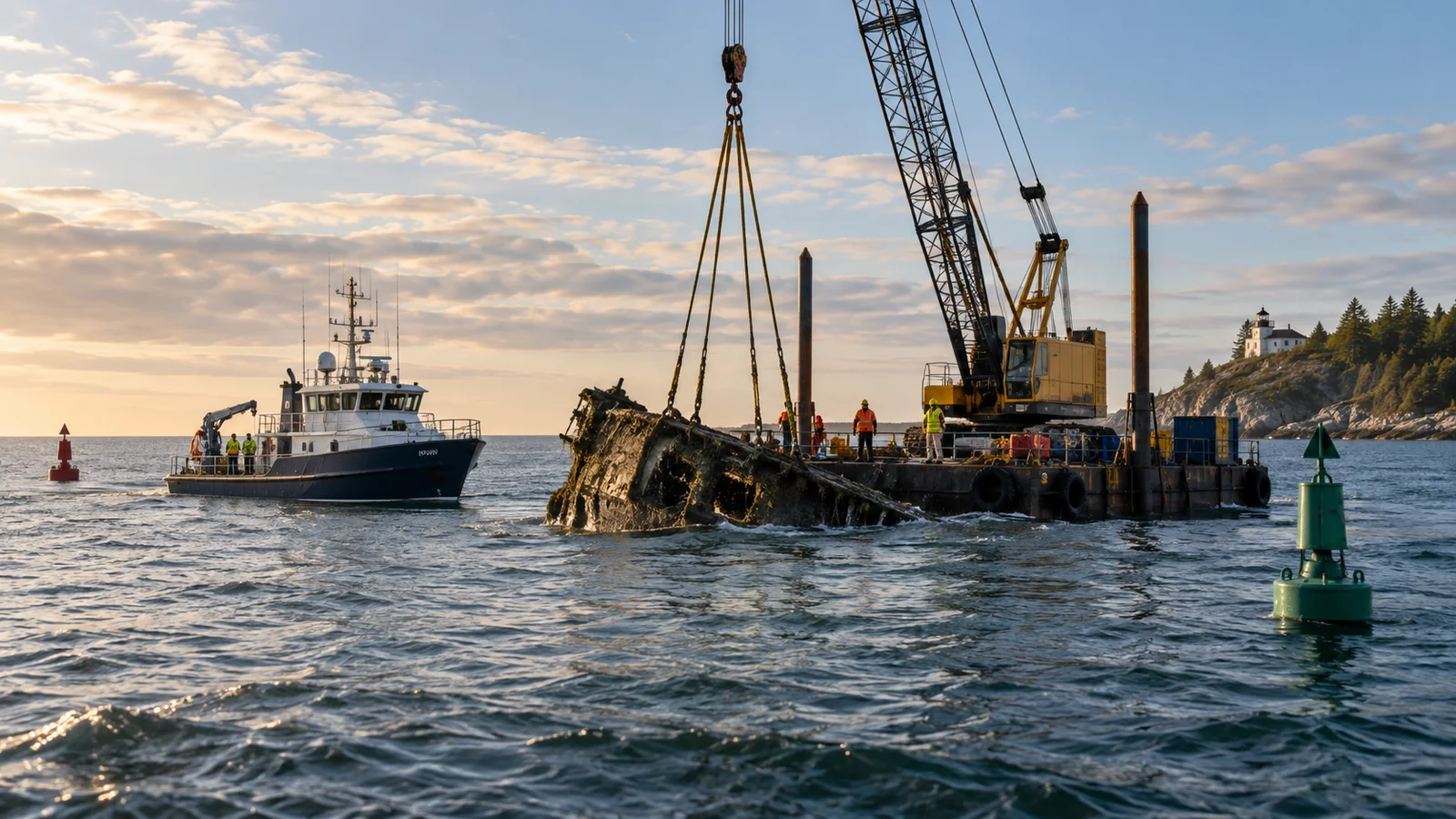
AI-generated editorial illustration.
Removing a wreck can create obligations distinct from the loss of the vessel itself. The owner's hull settlement, liability cover and any compulsory financial security need to be understood separately.
What is wreck removal insurance?
Wreck removal insurance concerns agreed liabilities or expenses associated with locating, marking or removing a wreck, according to the applicable cover. Legal duties, policy limits, exclusions and required certificates must be assessed for the vessel and jurisdiction. A total-loss hull payment does not automatically discharge wreck-related obligations or prove adequate liability protection.
Distinguish insurance from the statutory certificate
The IMO overview of the Nairobi Wreck Removal Convention describes the convention's liability and financial-security framework, including insurance and certification requirements. The UK Wreck Removal Convention Act sets out the 300 gross tonnage threshold in its applicable provisions. Applicability, state participation and certification must be checked for the actual operation.
| Document | What to establish |
|---|---|
| P&I or liability terms | Scope, limit and exclusions for wreck liabilities |
| Financial security evidence | Whether the provider and form meet the relevant requirements |
| State-issued certificate | Validity, vessel identity and applicable period |
| Hull policy | Treatment of vessel property loss, separately from liability |
A website-generated insurance certificate is not automatically a convention certificate. Confirm the issuing authority and required evidence through the appropriate flag or certifying state.
A fictional total loss
A vessel is declared a total loss after a casualty in coastal waters. Authorities raise concerns about navigation and environmental hazards. The owner's property settlement and the response to those concerns involve separate questions; the owner should notify its liability insurer and obtain legal advice promptly.
Do not assume that abandonment to a hull insurer transfers every legal obligation. The applicable law and insurance contract must be considered before agreeing responsibility or commissioning non-emergency work.
Prepare the underwriting evidence
Provide vessel identity, tonnage, flag, ownership, trading areas, current liability arrangements and relevant certificate requirements. Explain towing, offshore work or unusual operations. Ask about cargo or equipment associated with a wreck and how limits and deductibles apply.
Review pollution, war causes, contractual obligations, salvage and removal provisions together while keeping their meanings distinct. A proposed limit should be assessed against the legal and operational exposure, not selected solely because it appears on a prior certificate.
Preserve casualty and authority records
Keep notices, orders, surveys, environmental assessments and contractor proposals. Coordinate with insurers and competent authorities, documenting urgent protective action. Separate removal, marking, salvage and pollution expenses rather than treating all contractor invoices as one undifferentiated loss.
Read pollution liability guidance and P&I fundamentals. Explore liability enquiries and contact the team with the vessel's certification and trading requirements for a specific review.
Key takeaways
- Wreck removal insurance concerns agreed liabilities or expenses associated with locating, marking or removing a wreck, according to the applicable cover.
- No. Examine the separate liability cover and any compulsory financial-security requirements for the vessel and jurisdiction.
Frequently asked questions
What is wreck removal insurance?
Wreck removal insurance concerns agreed liabilities or expenses associated with locating, marking or removing a wreck, according to the applicable cover. Legal duties, policy limits, exclusions and required certificates must be assessed for the vessel and jurisdiction. A total-loss hull payment does not automatically discharge wreck-related obligations or prove adequate liability protection.
Does a hull total-loss settlement prove wreck removal liabilities are covered?
No. Examine the separate liability cover and any compulsory financial-security requirements for the vessel and jurisdiction.
Sources & further reading
General information, not a coverage determination or offer. Actual cover is subject to policy wording, insurer terms, underwriting and applicable law.