
Protection & Indemnity Insurance Explained
An owner’s guide to maritime liability cover, club rules, contractual obligations, financial security and casualty response.
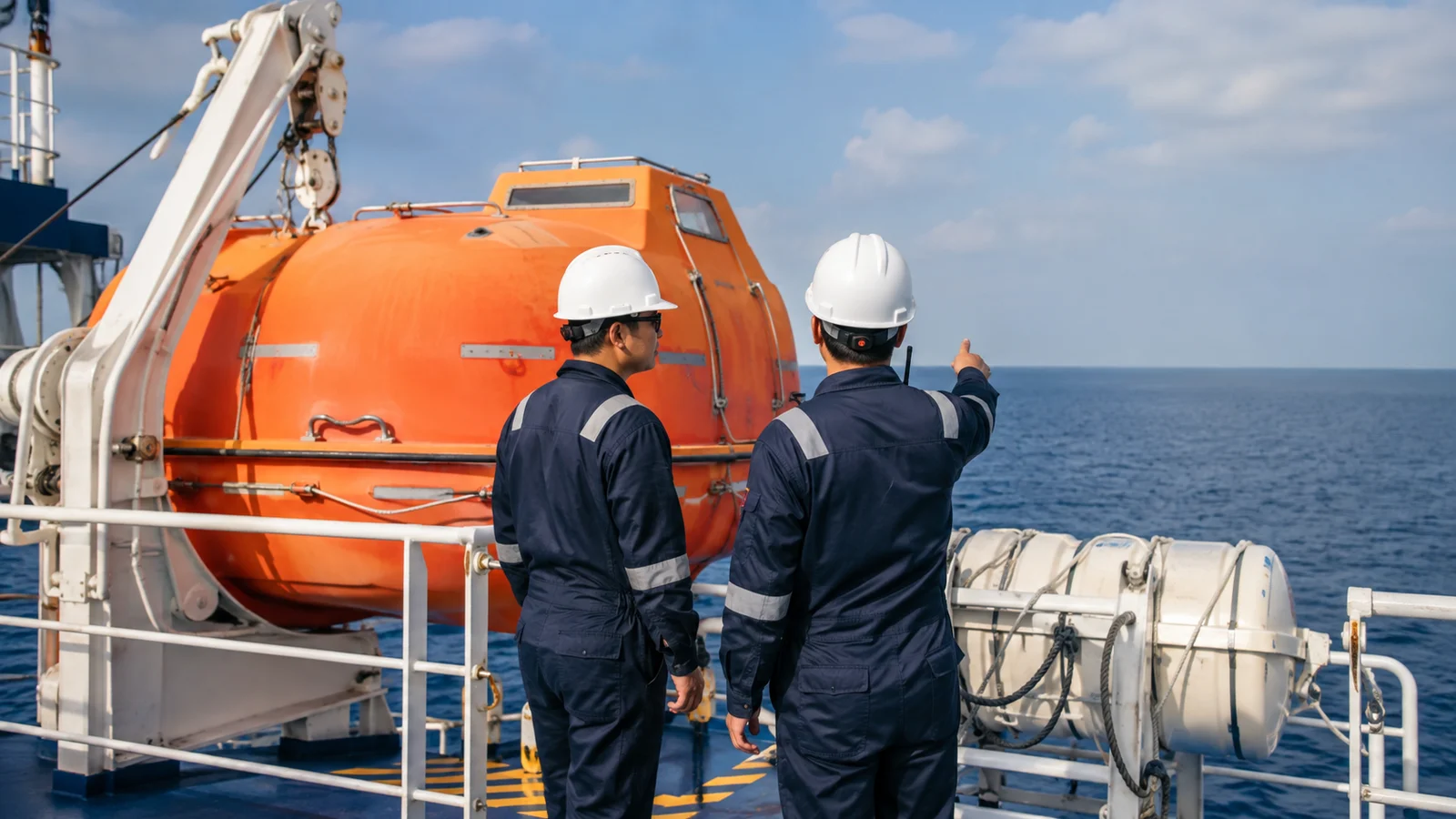
AI-generated editorial illustration.
> Editorial draft — pending specialist insurance and, where relevant, legal/compliance review. Updated 7 September 2026. Examples are hypothetical; the issued policy and applicable law determine actual cover.
Protection and indemnity insurance, or P&I, addresses specified liabilities arising from the operation of a vessel. It complements property insurance by considering what the insured may owe to other people, rather than simply what it costs to repair its own ship.
For an owner, understanding P&I begins with identifying legal responsibilities. Crew employment, carriage of cargo, port operations, pollution and wreck removal can all create substantial obligations. The cover available depends on the insurer’s rules, the certificate of entry or schedule and the facts of the claim.
How liability differs from property damage
If cargo is damaged aboard a ship, the cargo owner may claim under its cargo policy. A separate question is whether the carrier is legally liable for that damage. P&I concerns the covered liability of its member or insured, subject to terms and defences.
Similarly, an injured crew member, damaged berth or pollution incident can produce liability allegations whose value differs from the owner’s repair costs. Evidence about contracts, causation and applicable law becomes central. A demand letter establishes that a claim has been made; it does not establish that the claim is valid or covered.
The International Group describes the principal liability areas served by its member clubs. Its explanation includes crew and passenger injury, cargo, pollution, wreck removal and property damage. See International Group: the role of P&I clubs.
Understand the insurer’s structure and documents
P&I is available through different insurance structures. Mutual clubs have membership and rules that may differ from fixed-premium arrangements. Examine the financial obligations, deductibles, limits, calls where relevant and cancellation provisions in the actual offer.
Read the entry or schedule alongside the applicable rules and endorsements. Check which owner, manager or charterer is insured and in what capacity. A co-assured may have a narrower interest than the principal insured. Group ownership does not remove the need to identify each party correctly.
Published club rules are useful examples of the detail involved. Gard’s rules library illustrates why a certificate cannot stand alone as a full explanation of P&I terms. It does not imply any relationship between that insurer and MarineEnergyCover. See Gard rules, statutes and guidance.
Review contracts before taking on extra liability
Charterparties, terminal agreements, towage contracts and crew arrangements can change the insured’s responsibilities. Some obligations arise under law; others are voluntarily assumed. An unusual indemnity or waiver can require prior insurer agreement.
Create a process that sends non-standard insurance and liability provisions for review before signature. Operations teams should know which contracts need escalation. Waiting until a claim to discover that a contract went beyond the intended cover is avoidable.
Check the allocation of collision liability and fixed or floating object damage between P&I and hull policies. Also distinguish defence insurance for certain legal disputes from liability cover responding to a casualty. Similar legal costs can sit under different sections depending on the dispute.
Financial security and statutory certificates
Some maritime conventions require insurance or other financial security and an associated certificate. The Bunkers Convention is one example, with requirements for relevant ships and liabilities. Applicability depends on the vessel and legal regime. See IMO Bunker Oil Pollution Damage Convention.
A blue card or insurer undertaking supports an authority’s certificate process where applicable; it should not be confused with the authority-issued convention certificate itself. A commercial insurance certificate, a club entry and a convention document have different functions.
Keep a document matrix with vessel, convention or contractual requirement, issuer, effective period and renewal responsibility. Confirm acceptance with the relevant flag or authority. Do not assume that a digital document generated by a commercial platform satisfies every statutory requirement.
A hypothetical cargo claim
A receiver alleges damage to bagged cargo after discharge from a general cargo ship. The owner notifies its P&I contact, preserves the bills of lading, mate’s receipts, hatch records and weather information, and arranges appropriate survey attendance.
The investigation considers cargo condition at loading, stowage, ventilation, seawater ingress and discharge handling. The charterparty may affect the allocation between owner and charterer, while the bill of lading and governing law affect liability to the cargo claimant.
The owner should not admit liability or settle on assumptions before obtaining advice under the policy’s claims procedure. At the same time, reasonable steps to limit further damage should be considered promptly. The example shows how P&I combines liability analysis with practical casualty management.
Prepare for an incident before it happens
Give the master and shore team a current contact sheet and clear reporting instructions. Record who may instruct correspondents, appoint experts, provide security or approve settlements. Keep a secure central file of contracts and vessel documents accessible during an emergency.
Hull and P&I teams may need to coordinate surveys, evidence and costs after the same casualty. An insurer’s description of coordinated claims handling provides a practical example of this approach. See Gard: coordinated marine casualty claims handling.
At renewal, review claims by category, unresolved liabilities and recurring operational causes. Present corrective action, changes in cargo contracts and new trading patterns. A useful P&I discussion goes beyond the annual premium to ask whether the insured can meet its obligations and access the right assistance when a claim develops.
Frequently asked questions
Does P&I replace hull insurance?
No. P&I addresses specified liabilities, while hull insurance addresses the vessel’s insured property interest and any liability elements expressly included.
Will the insurer pay every claim made against the vessel?
No. Liability, coverage, limits, exclusions and claims conditions must be assessed. Insurers may defend a claim as well as consider payment.
Are fines always insured?
No. The treatment of fines is sensitive to law, wording and sometimes insurer discretion. Ask about the specific exposure rather than assuming blanket cover.
Related reading and next step
What Does Ship Insurance Cover?; Charterers' Liability Insurance Explained; Marine Pollution Liability Insurance Explained.
Prepare a marine insurance enquiry with the relevant vessel, cargo and voyage details. Availability requires underwriting, compliance review and confirmed capacity. An enquiry, estimate or payment does not by itself establish cover.
Sources and editorial review
- International Group: the role of P&I clubs
- Gard rules, statutes and guidance
- IMO Bunker Oil Pollution Damage Convention
- Gard: coordinated marine casualty claims handling
Prepared by the MarineEnergyCover editorial desk. No individual expert reviewer has yet approved this draft. Source references describe their own legal regimes or policy forms and do not establish MarineEnergyCover’s regulatory status, authority or available terms.
Frequently asked questions
Does P&I replace hull insurance?
No. P&I addresses specified liabilities, while hull insurance addresses the vessel’s insured property interest and any liability elements expressly included.
Will the insurer pay every claim made against the vessel?
No. Liability, coverage, limits, exclusions and claims conditions must be assessed. Insurers may defend a claim as well as consider payment.
Are fines always insured?
No. The treatment of fines is sensitive to law, wording and sometimes insurer discretion. Ask about the specific exposure rather than assuming blanket cover.
Sources & further reading
- International Group: the role of P&I clubs
- Gard rules, statutes and guidance
- IMO Bunker Oil Pollution Damage Convention
- Gard: coordinated marine casualty claims handling
General information, not a coverage determination or offer. Actual cover is subject to policy wording, insurer terms, underwriting and applicable law.
Related reading
- Ship Repairers Liability Insurance: Custody and Contract Risks
- Terminal Operators Liability Insurance: Custody, Limits and Contracts
- Stevedores Liability Insurance: Loading Damage and Evidence
- What Does Ship Insurance Cover?
- Charterers' Liability Insurance Explained
- Marine Pollution Liability Insurance Explained
- Explore marine insurance products