
Cargo Insurance Quote: Describe One Unusual Shipment
Include precise goods information, value and valuation basis, dimensions, weight, condition, packing, handling method, route, dates and any storage.
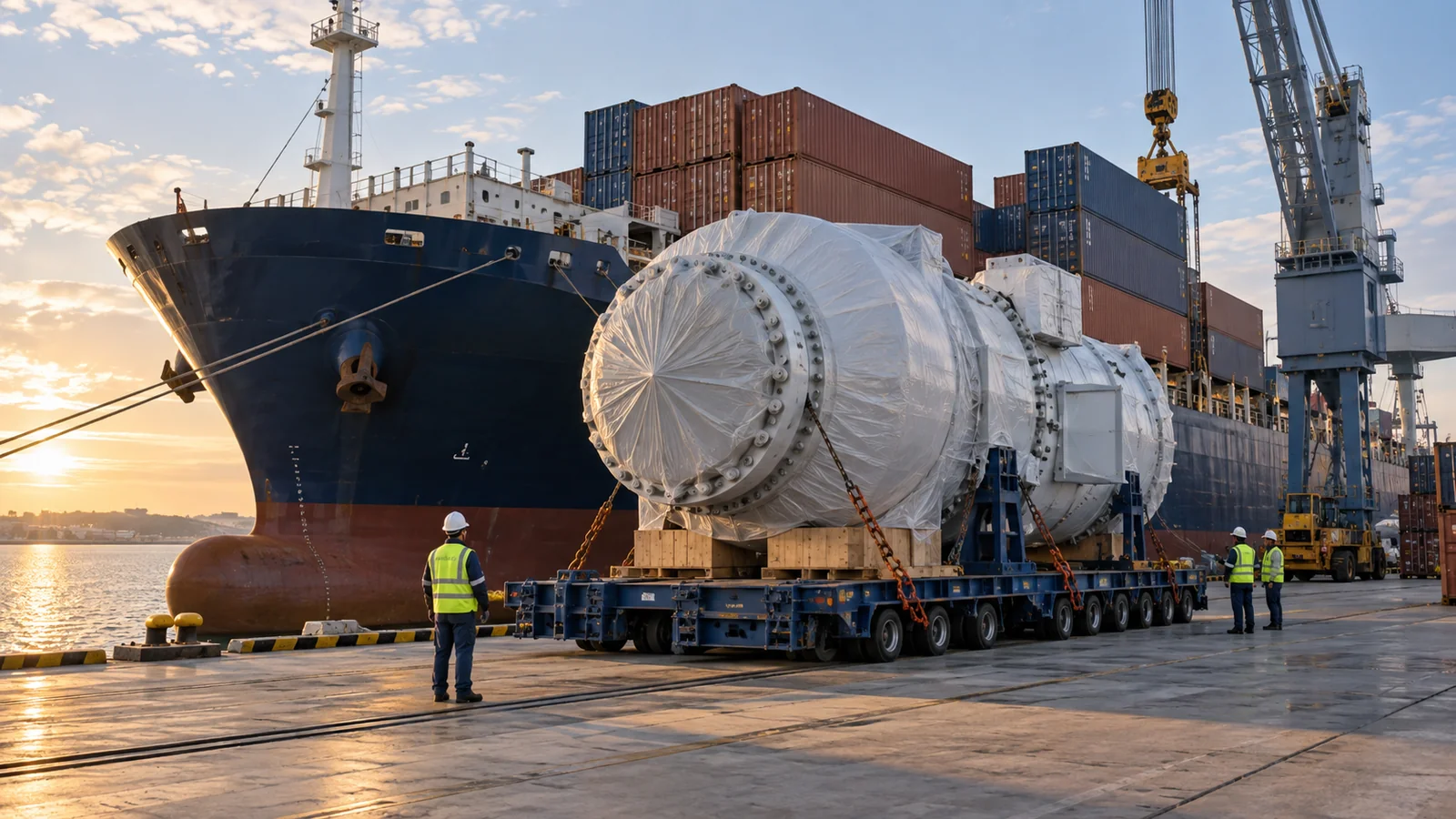
AI-generated editorial illustration.
An unusual shipment needs more than a cargo description and invoice total. The underwriter needs to understand what makes it different and which handling stage could turn a small incident into a major loss.
What should an unusual cargo insurance quote include?
Include precise goods information, value and valuation basis, dimensions, weight, condition, packing, handling method, route, dates and any storage. Explain unusual features such as fragility, used machinery, oversized loads or a single irreplaceable component. Request the cover needed explicitly; unusual risks are not automatically included by selecting an “all risks” description.
Lead with the exception
Put the unusual feature in the first paragraph of the submission. If a machine cannot be tilted, state that and attach the manufacturer's handling information. If goods travel on deck, disclose the proposed stowage. If the item has already been damaged and repaired, provide the condition record rather than describing it as new.
| Feature | Useful evidence | Insurance question |
|---|---|---|
| High centre of gravity | Drawing and lifting points | Are survey or lifting conditions required? |
| Used equipment | Inspection and functioning record | How are existing defects treated? |
| One critical item | Replacement lead time and project role | Is delay exposure a separate enquiry? |
| Temporary storage | Address, duration and peak value | Is this stage included? |
Munich Re's cargo and project cargo overview separates transport damage from project-related delay considerations. Do not assume that an ordinary cargo quote includes the project's financial consequences.
An example of a useful short submission
In a fictional movement, a refurbished transformer travels by road to port and then on a heavy-lift vessel. The enquiry states its weight, dimensions, declared value, condition, lifting arrangement and proposed dates. It includes the inspection report, route survey and the manufacturer-approved transport orientation.
That is more useful than “electrical equipment, urgent shipment”. It also exposes missing information early: who approves lifting, where the goods may wait and whether delivery is tied to a construction milestone.
Ask for the offer to identify conditions
Request wording references, exclusions, deductible, limit basis, insured period and any required surveys. Establish who appoints the surveyor, which stages need attendance and how recommendations are closed. Approval of one lifting plan does not necessarily approve a changed vessel, crane or route.
Check packing, inherent vice, mechanical derangement, delay and testing provisions where relevant. Their treatment varies, so avoid assuming that every used item or every breakdown is excluded—or covered. Obtain a clear answer for the goods described.
Plan evidence before dispatch
Keep condition photographs, serial numbers, packing records and handover receipts. After damage, preserve the item for survey where practicable and distinguish repair cost from project delay or replacement transport. Notify the insurer promptly and seek agreement for non-emergency remedial work.
Read the quote information checklist and high-value energy cargo guidance. Explore cargo cover and submit the unusual shipment early enough for its technical conditions to be assessed.
Key takeaways
- Include precise goods information, value and valuation basis, dimensions, weight, condition, packing, handling method, route, dates and any storage.
- Explain the cargo's dimensions, value and vulnerability alongside route, handling, packing, storage and any required survey arrangements.
Frequently asked questions
What should an unusual cargo insurance quote include?
Include precise goods information, value and valuation basis, dimensions, weight, condition, packing, handling method, route, dates and any storage. Explain unusual features such as fragility, used machinery, oversized loads or a single irreplaceable component. Request the cover needed explicitly; unusual risks are not automatically included by selecting an “all risks” description.
What makes an unusual shipment quote useful?
Explain the cargo's dimensions, value and vulnerability alongside route, handling, packing, storage and any required survey arrangements.
Sources & further reading
General information, not a coverage determination or offer. Actual cover is subject to policy wording, insurer terms, underwriting and applicable law.