
How Vessel Classification Affects Marine Insurance
How class status, surveys and outstanding recommendations inform underwriting, and why insurance conditions need their own careful review.
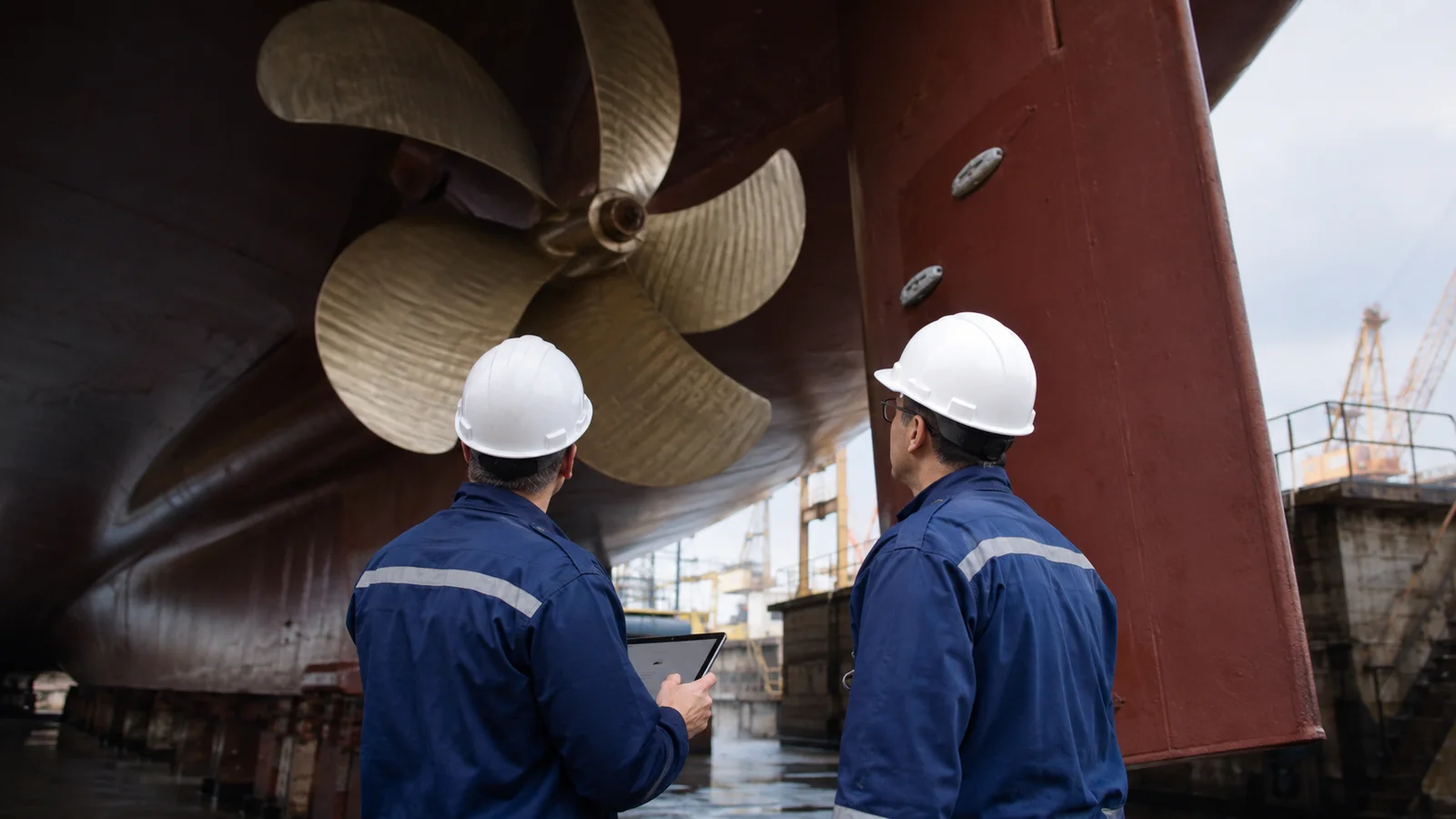
AI-generated editorial illustration.
> Editorial draft — pending specialist insurance and, where relevant, legal/compliance review. Updated 7 September 2026. Examples are hypothetical; the issued policy and applicable law determine actual cover.
Vessel classification provides important technical evidence for marine underwriters, but “in class” is not a complete description of a ship’s condition or insurance position. A useful submission identifies the society, current status, survey obligations and any outstanding recommendations relevant to the vessel.
Owners should understand both the technical meaning of class and the contractual meaning of the insurance condition. A class record and a policy answer different questions, even when the policy requires class to be maintained.
What classification contributes
Classification societies establish technical rules and conduct appraisal and survey activities within their role. Class notations describe particular characteristics or capabilities under the society’s system. They should be interpreted using that society’s rules rather than assumed to have identical meaning across all societies.
IACS explains the distinction between classification activities and statutory work performed on behalf of flag administrations where authorised. A class certificate, a statutory certificate and a commercial inspection report therefore should not be treated as interchangeable. See IACS: classification questions and answers.
For underwriting, these records help structure the technical review. They can show whether the vessel is subject to an established survey regime and what obligations are approaching. They do not remove the owner’s responsibility for maintenance or guarantee that no defect exists.
Provide current status, not only a certificate
A certificate may show that class was assigned or renewed at a particular time. The current status record can provide additional information about surveys due and recommendations. Supply both where requested and explain changes since the certificate was issued.
Identify the next significant survey and planned dry-dock arrangements. If a recommendation is open, describe the issue, due date, operating restrictions if any and proposed corrective action. Provide closure evidence when the work is verified.
IACS offers a vessel search for class information submitted by member societies. Database records are useful checks, but their date and scope should be understood. Obtain direct clarification where the current position is uncertain. See IACS vessels in class search.
Explain why a finding matters
Underwriters need context. An overdue administrative record, a structural finding and a critical machinery defect are not equivalent. Describe the location, severity, proposed repair and any restrictions using the actual technical documents.
Avoid minimising a recommendation with unsupported language such as “only routine”. Equally, do not assume that every observation makes insurance impossible. The insurer needs enough evidence to decide whether to request a survey, impose conditions, change terms or decline the proposed exposure.
If several reports refer to the same issue, connect them in a short chronology. This helps the reviewer distinguish an unresolved defect from repeated references to a completed repair.
Read the policy’s class provisions
Insurance contracts may contain conditions about class, notification, change of society and loss or suspension of status. The consequences depend on the wording and governing law. Do not assume a universal rule that every class issue instantly cancels every cover.
Ask what must be reported, by whom and when. Identify whether the insurer has rights to obtain class information and whether consent is needed for particular changes. Record these obligations in the operator’s insurance procedure.
Hull policies also contain their own damage and maintenance provisions. The Nordic Plan’s repair chapter illustrates the detail that can apply to hull claims independently of the existence of class. See Nordic Marine Insurance Plan, Chapter 12: Damage. Class status alone cannot establish whether a particular repair cost is insured.
Consider class during purchase and management change
Before buying a vessel, review the current status and upcoming survey costs as part of technical and insurance due diligence. The purchase price may look attractive while significant renewal work is approaching. Share material findings with the prospective insurer.
When changing class society or technical manager, coordinate the effective dates and documentary handover. Explain why the change is being made and how open obligations will be handled. An incomplete transition can leave uncertainty even where the parties intend continuous compliance.
For a vessel returning from lay-up or undergoing conversion, ask what surveys and approvals are required for the intended operation. Insurance should be assessed against the post-work configuration and trading, not simply the vessel’s previous class record.
A hypothetical outstanding recommendation
An owner seeks renewal while a class recommendation requires attention to a section of piping. The technical team has booked repairs, but the application states only “class maintained”. The underwriter asks for the recommendation, due date and planned work.
The owner supplies the report, yard plan and any relevant operating instructions. After completion, it provides the class closure record. The insurer can assess the exposure at inception and decide how any interim condition should operate.
The hypothetical does not assume that the defect is covered or that renewal will be accepted. It shows why transparent status reporting is more useful than a binary yes/no answer about class.
Keep technical and insurance records aligned
Assign one person to report class changes to the insurance team and another to verify that the relevant insurer notification has been made. Maintain dated evidence of submissions and responses. The technical department should not assume that uploading a report to its own system informs the insurer.
At renewal, present a concise status summary with supporting documents. A clear account of surveys, repairs and management action helps underwriters evaluate the actual ship and helps the owner understand the conditions it is accepting.
Frequently asked questions
Does being in class guarantee seaworthiness?
Class is technical evidence within the society’s role. It is not a blanket guarantee of condition or a complete legal determination of seaworthiness.
Must every class recommendation be disclosed?
Follow the application questions and applicable disclosure duties. Material findings and outstanding obligations should be explained clearly with current status.
What happens if class is suspended?
The insurance consequences depend on the policy and applicable law. Notify the relevant insurer promptly under the agreed procedure and obtain specific advice.
Related reading and next step
Hull & Machinery Insurance: Complete Guide for Vessel Owners; Marine Insurance for Older Commercial Vessels; Documents Commonly Required for Vessel Insurance.
Prepare a marine insurance enquiry with the relevant vessel, cargo and voyage details. Availability requires underwriting, compliance review and confirmed capacity. An enquiry, estimate or payment does not by itself establish cover.
Sources and editorial review
- IACS: classification questions and answers
- IACS vessels in class search
- Nordic Marine Insurance Plan, Chapter 12: Damage
Prepared by the MarineEnergyCover editorial desk. No individual expert reviewer has yet approved this draft. Source references describe their own legal regimes or policy forms and do not establish MarineEnergyCover’s regulatory status, authority or available terms.
Frequently asked questions
Does being in class guarantee seaworthiness?
Class is technical evidence within the society’s role. It is not a blanket guarantee of condition or a complete legal determination of seaworthiness.
Must every class recommendation be disclosed?
Follow the application questions and applicable disclosure duties. Material findings and outstanding obligations should be explained clearly with current status.
What happens if class is suspended?
The insurance consequences depend on the policy and applicable law. Notify the relevant insurer promptly under the agreed procedure and obtain specific advice.
Sources & further reading
- IACS: classification questions and answers
- IACS vessels in class search
- Nordic Marine Insurance Plan, Chapter 12: Damage
General information, not a coverage determination or offer. Actual cover is subject to policy wording, insurer terms, underwriting and applicable law.