
Hull & Machinery Insurance: Complete Guide for Vessel Owners
How to assess insured vessel value, machinery exposures, repair terms and the relationship between hull cover, P&I and loss of hire.
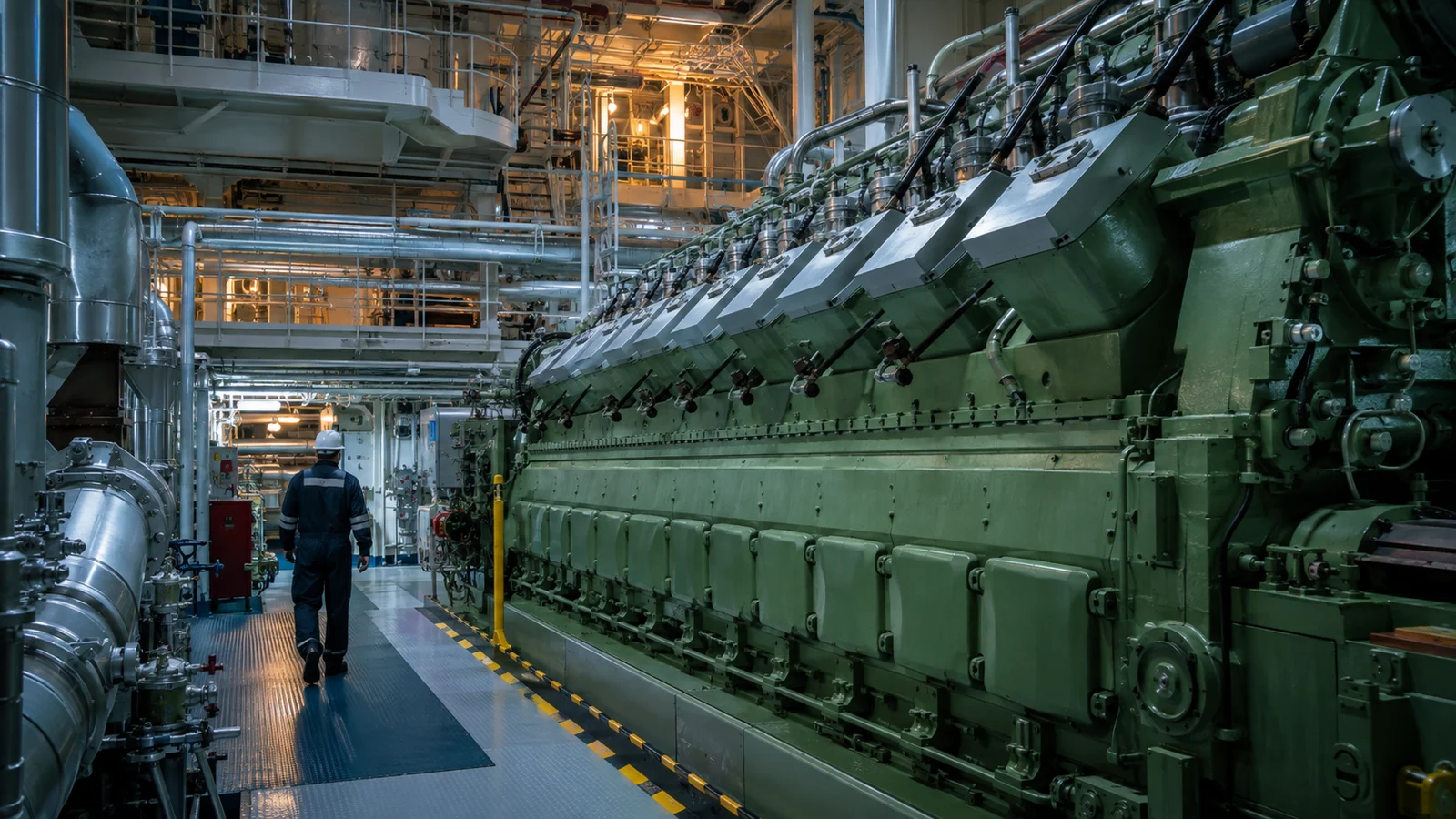
AI-generated editorial illustration.
> Editorial draft — pending specialist insurance and, where relevant, legal/compliance review. Updated 7 September 2026. Examples are hypothetical; the issued policy and applicable law determine actual cover.
Hull and machinery insurance protects an owner’s financial interest in the insured vessel against the losses described in the contract. Its value lies in more than the amount shown next to “sum insured”. The definition of insured property, repair provisions, deductibles and operational conditions determine how the policy works when a ship is damaged.
For a new purchase, refinancing or renewal, the owner should assemble a technical picture of the ship and a commercial picture of the exposure. The aim is to agree terms that the technical team can follow and the finance team can afford.
Define the property and insured value
Confirm whether the policy includes the vessel’s fixed machinery, navigation systems, spares and equipment temporarily ashore. Disclose expensive additions and equipment that belongs to a third party. A description that was accurate before a retrofit may no longer represent the vessel’s value or configuration.
The agreed insured value should be supported by a clear valuation basis. Purchase price, current market value, outstanding loan and replacement cost are different figures. A lender may impose its own insurance requirements, but the amount owed to the lender is not automatically the correct hull value. Record the valuation date and review substantial market or asset changes.
The treatment of underinsurance, increased value and separate interests depends on the chosen wording. Ask for the intended result after a large partial loss and after a total loss. That comparison is more informative than considering the premium as a percentage of value alone.
Understand repair cover
Compare the scope of accidental damage, the handling of defective parts and the distinction between repairs and improvements. Machinery clauses can treat the part that fails differently from the resulting damage. A policy may also specify how temporary repairs, deferred repairs, survey costs and movement to a yard are handled.
The Nordic Plan’s damage chapter is a useful primary example of how detailed repair rules can be organised. Its commentary addresses deterioration and inadequate maintenance. These are examples of one contractual framework, not terms that apply to every placement. See Nordic Marine Insurance Plan, Chapter 12: Damage and Nordic Plan commentary on hull damage.
Ask who approves the repair specification, how tenders are obtained, whether betterment deductions may arise and what happens if the owner chooses a more expensive yard for commercial reasons. Agreeing these points in advance helps a superintendent make decisions under pressure.
Connect technical condition to underwriting
Underwriters need current class status, outstanding recommendations, survey dates, maintenance evidence and claims history. Classification involves technical rules and periodic surveys; class status should be checked against the relevant society’s records rather than inferred from a historic certificate. See IACS: classification questions and answers.
Prepare a short explanation of major machinery, redundancy and maintenance controls. For a single-engine vessel, include the condition of critical propulsion components and the availability of suitable repair support. For unusual equipment, explain manufacturer support, spare-part lead times and who performs specialist maintenance.
A useful submission tells the story behind defects. If a bearing failed last year, provide the investigation outcome, completed repair and changes made to inspection or lubrication procedures. “Repaired” alone does not explain whether the original cause has been addressed.
Compare deductibles and financial retention
Identify the ordinary deductible and any additional machinery, ice, heavy-weather or other deductible that applies. Establish whether multiple deductions can affect the same casualty. A lower premium may be sensible if the business can fund the larger retention, but it should be a deliberate choice.
Use the fleet’s actual experience to model retained costs. Count incidents that fell below the deductible as well as paid claims. A ship with repeated moderate repairs can create significant cash demands without producing a large insurer payment. Discuss the total cost of risk with finance rather than treating insurance spend in isolation.
A hypothetical machinery casualty
Imagine a generator failure damages adjacent electrical equipment and forces a vessel into an unscheduled yard visit. The engineer’s initial report notes a failed component, but its cause is uncertain. The owner should preserve the component, operating logs, maintenance records and photographs, and notify the relevant insurers promptly.
The claim analysis separates the failed part, resulting physical damage, yard costs and lost operating time. Some costs may relate to routine work the owner had already planned. Hull and any loss-of-hire insurer may need a common repair chronology but apply different adjustment rules.
If the owner uses the stoppage to upgrade unaffected equipment, the invoices should separate that work from casualty repairs. This does not prejudge coverage. It makes the repair evidence intelligible and avoids presenting commercial improvements as if they were caused by the casualty.
Coordinate adjacent policies and contracts
Confirm the split of collision liability between hull and P&I, the treatment of salvage and any lenders’ interests. If loss of hire is purchased, check that its damage trigger is compatible with the actual hull terms. An apparent match in product names is insufficient.
Review charter and repair-yard contracts for indemnities, waivers and insurance obligations. Tell the insurance adviser about unusual terms before signing them. The owner’s commercial commitments should not be based on assumptions about policy recovery.
Before inception, obtain the complete agreed wording and a list of outstanding requirements. After inception, maintain a change log covering class, management, ownership, values and trading. A well-maintained hull file makes future renewals easier and gives the claims team a reliable starting point after an incident.
Frequently asked questions
Does hull insurance pay for worn machinery?
Ordinary deterioration and accidental resulting damage may be treated differently. The relevant machinery and maintenance clauses must be reviewed against the evidence.
Should the hull value equal the loan?
Not automatically. Agree a supported insurance valuation and separately check the lender’s contractual requirements and interests.
Does a class certificate guarantee insurance acceptance?
No. Class is important technical evidence, but insurers also assess condition, operations, management, claims, values and their own capacity.
Related reading and next step
What Affects Hull & Machinery Insurance Premiums?; How Vessel Classification Affects Marine Insurance; Marine Insurance for Older Commercial Vessels.
Prepare a marine insurance enquiry with the relevant vessel, cargo and voyage details. Availability requires underwriting, compliance review and confirmed capacity. An enquiry, estimate or payment does not by itself establish cover.
Sources and editorial review
- Nordic Marine Insurance Plan, Chapter 12: Damage
- Nordic Plan commentary on hull damage
- IACS: classification questions and answers
Prepared by the MarineEnergyCover editorial desk. No individual expert reviewer has yet approved this draft. Source references describe their own legal regimes or policy forms and do not establish MarineEnergyCover’s regulatory status, authority or available terms.
Frequently asked questions
Does hull insurance pay for worn machinery?
Ordinary deterioration and accidental resulting damage may be treated differently. The relevant machinery and maintenance clauses must be reviewed against the evidence.
Should the hull value equal the loan?
Not automatically. Agree a supported insurance valuation and separately check the lender’s contractual requirements and interests.
Does a class certificate guarantee insurance acceptance?
No. Class is important technical evidence, but insurers also assess condition, operations, management, claims, values and their own capacity.
Sources & further reading
- Nordic Marine Insurance Plan, Chapter 12: Damage
- Nordic Plan commentary on hull damage
- IACS: classification questions and answers
General information, not a coverage determination or offer. Actual cover is subject to policy wording, insurer terms, underwriting and applicable law.
Related reading
- Shipbuilders Risk Insurance: From Keel to Delivery
- Tugboat Insurance: Towage Contracts and Operational Limits
- Barge Insurance: Tow Plans, Moorings and Cargo Interfaces
- What Affects Hull & Machinery Insurance Premiums?
- How Vessel Classification Affects Marine Insurance
- Marine Insurance for Older Commercial Vessels
- Explore marine insurance products