
Marine Insurance for Older Commercial Vessels
How owners of older vessels can present maintenance, surveys, machinery support and realistic values for a meaningful insurance assessment.
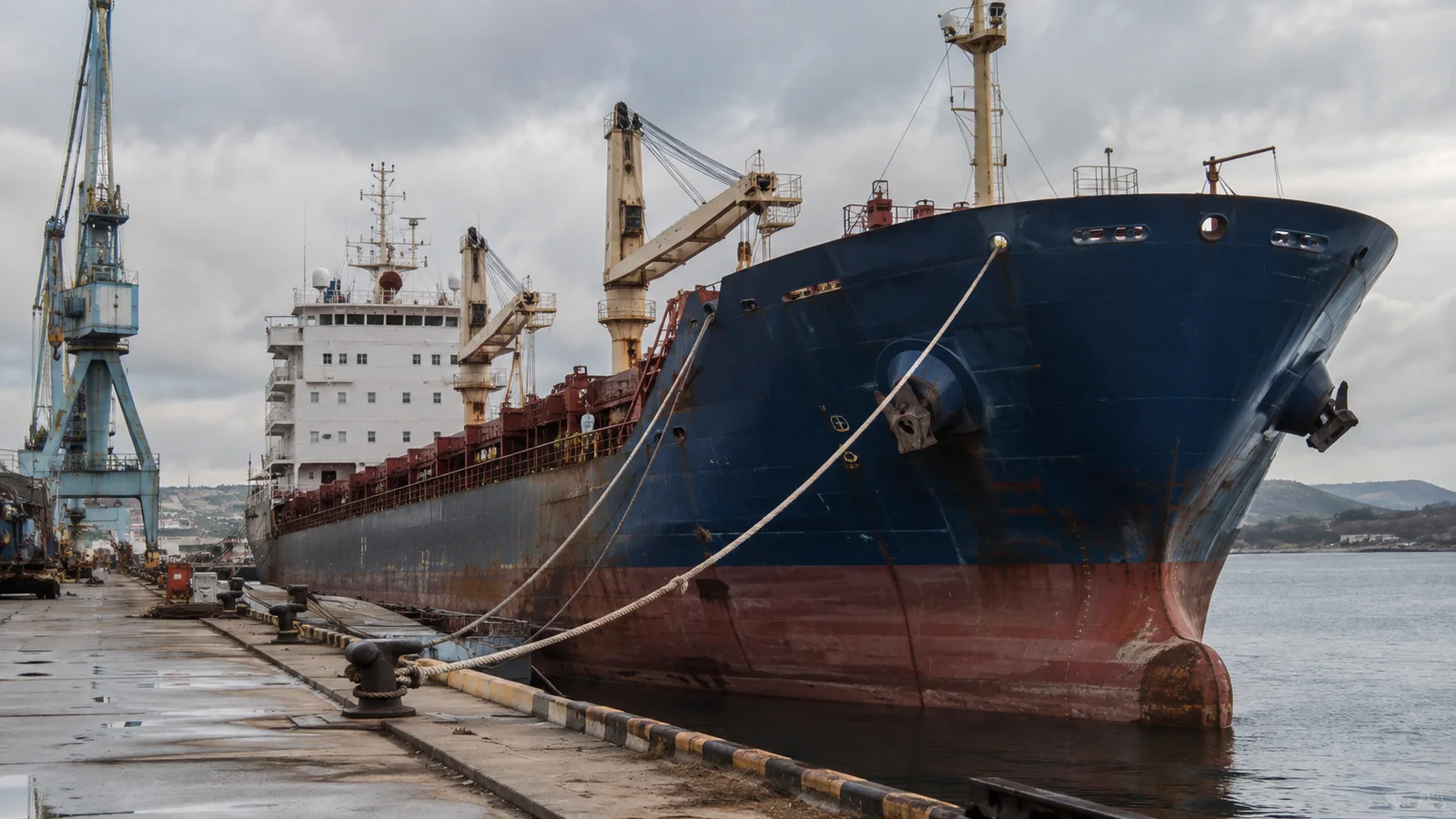
AI-generated editorial illustration.
> Editorial draft — pending specialist insurance and, where relevant, legal/compliance review. Updated 7 September 2026. Examples are hypothetical; the issued policy and applicable law determine actual cover.
An older commercial vessel should be assessed on its actual condition, equipment, management and intended work. Age is relevant, but it does not tell an underwriter which steel has been renewed, whether critical machinery is supported or how effectively defects are managed.
Owners can make the assessment more useful by presenting a technical history that connects surveys, repairs and future plans. The objective is an informed decision about terms and retained risk, without promising that every older vessel can obtain cover.
Explain the vessel’s present condition
Prepare a concise account of construction, major conversions, steel renewal and machinery replacement. Identify the dates and supporting records. A vessel with substantial renewed equipment should not be described only by its original build year, but the original age should still be stated accurately.
Provide current class status, survey findings and outstanding recommendations. Classification involves periodic technical review under the relevant society’s rules; current records are more useful than a statement that the vessel has “always been in class”. See IACS: classification questions and answers.
Where condition surveys or thickness measurements are available, explain what they show and what action followed. The underwriter needs to understand whether issues are completed, monitored or still awaiting work.
Focus on maintenance quality and evidence
Show how the planned maintenance system is used, who reviews overdue work and how recurring defects are investigated. Include records for critical propulsion, steering, electrical and safety systems relevant to the vessel. A large maintenance database is less persuasive if there is no clear process for acting on its findings.
For older machinery, discuss spare-part availability and manufacturer or specialist support. Identify parts that require long procurement periods and the operator’s contingency plans. These issues can affect repair cost and downtime even when failure frequency is well controlled.
Insurance terms may distinguish deterioration from accidental damage and treat the failed component differently from resulting damage. The Nordic Plan’s hull commentary provides one example of this distinction. See Nordic Plan commentary on hull damage. The actual offer must be reviewed separately.
Match trading to the vessel
Describe the intended operation honestly, including frequency of port calls, environmental conditions, cargo and repair access. A vessel suited to a stable coastal service may present a different exposure if moved into unfamiliar long-distance trading.
Explain operational limits and how they are enforced. If weather restrictions, loading limits or additional inspections form part of the risk controls, the chartering team should understand them. Do not promise a restriction merely to obtain a quotation if the commercial plan requires it to be breached.
For lay-up, reactivation, conversion or a delivery voyage, request terms for the specific phase. An annual trading policy should not be assumed to cover every transitional operation on the same basis.
Use a realistic valuation
Support the insured value with current evidence and explain significant recent investment. Market value, scrap value, repair cost and loan balance are different measures. The policy’s valuation and total-loss provisions should be understood before choosing a sum insured.
For an older vessel, a substantial repair can represent a large proportion of its market value. Ask how economic total loss, unrepaired damage and any increased-value interests are treated. The answer depends on the wording and governing law, not simply the owner’s balance sheet.
Avoid undervaluing solely to reduce premium without understanding the consequences. Equally, past capital expenditure does not automatically establish an insurable value of the same amount. Agree a defensible basis with the insurer and adviser.
Compare the terms that may be offered
An insurer may request a condition survey, impose repair requirements or propose different deductibles and scope. Total-loss-only cover is materially different from broader repair protection. A quote should be assessed for the losses the owner would retain as well as the premium paid.
List subjectivities with completion dates and responsible people. Distinguish a requirement before binding from one to be satisfied later. The owner should know whether a shipyard booking or survey report is needed before the intended operation can be accepted.
Insurer application forms show how product and vessel details shape the information request. Use them as preparation references, without assuming another insurer follows the same criteria. See Gard marine insurance application forms.
A hypothetical renewal after machinery work
A twenty-five-year-old coastal cargo vessel has had a major engine overhaul and renewed steering equipment. The owner seeks broader terms at renewal. Rather than presenting only invoices, it supplies the survey basis, work scope, test results and maintenance plan for the renewed systems.
The submission also discloses remaining work on auxiliary equipment and the intended completion date. The underwriter can distinguish improvements already achieved from work still planned. A claims chronology explains whether the overhaul followed a casualty or scheduled maintenance.
The example does not predict acceptance or a discount. It demonstrates how evidence can replace uncertainty and support a more precise discussion about conditions.
Plan the retained risk as carefully as the insurance
Older-vessel operators should budget for ordinary maintenance, deductibles and uninsured downtime. Consider the cash needed for an unexpected yard visit and the commercial effect of losing one ship from a small fleet. Insurance cannot replace the maintenance reserve.
Before inception, ensure the final wording matches the vessel, value and trading plan. After inception, keep the insurance team informed of significant defects, class changes and alterations under the policy’s requirements. A transparent technical record is useful throughout the vessel’s remaining service life.
Frequently asked questions
Is there a universal maximum vessel age for insurance?
No. Insurer appetite and product terms differ. Age, condition, management, trading and requested scope are assessed together.
Will a recent refit guarantee a lower premium?
No. Documented improvements can inform assessment, but pricing also depends on claims, terms, operations and available capacity.
Is total-loss-only cover equivalent to full hull cover?
No. It generally provides a narrower form of protection and may leave repair losses with the owner. Read the exact insuring clause and exclusions.
Related reading and next step
Hull & Machinery Insurance: Complete Guide for Vessel Owners; What Affects Hull & Machinery Insurance Premiums?; How Vessel Classification Affects Marine Insurance.
Prepare a marine insurance enquiry with the relevant vessel, cargo and voyage details. Availability requires underwriting, compliance review and confirmed capacity. An enquiry, estimate or payment does not by itself establish cover.
Sources and editorial review
- IACS: classification questions and answers
- Nordic Plan commentary on hull damage
- Gard marine insurance application forms
Prepared by the MarineEnergyCover editorial desk. No individual expert reviewer has yet approved this draft. Source references describe their own legal regimes or policy forms and do not establish MarineEnergyCover’s regulatory status, authority or available terms.
Frequently asked questions
Is there a universal maximum vessel age for insurance?
No. Insurer appetite and product terms differ. Age, condition, management, trading and requested scope are assessed together.
Will a recent refit guarantee a lower premium?
No. Documented improvements can inform assessment, but pricing also depends on claims, terms, operations and available capacity.
Is total-loss-only cover equivalent to full hull cover?
No. It generally provides a narrower form of protection and may leave repair losses with the owner. Read the exact insuring clause and exclusions.
Sources & further reading
- IACS: classification questions and answers
- Nordic Plan commentary on hull damage
- Gard marine insurance application forms
General information, not a coverage determination or offer. Actual cover is subject to policy wording, insurer terms, underwriting and applicable law.