
Insurance Considerations for LNG and LPG Carriers
A practical insurance review for gas carriers covering containment, specialist machinery, cargo measurement, boil-off and repair-related income exposure.
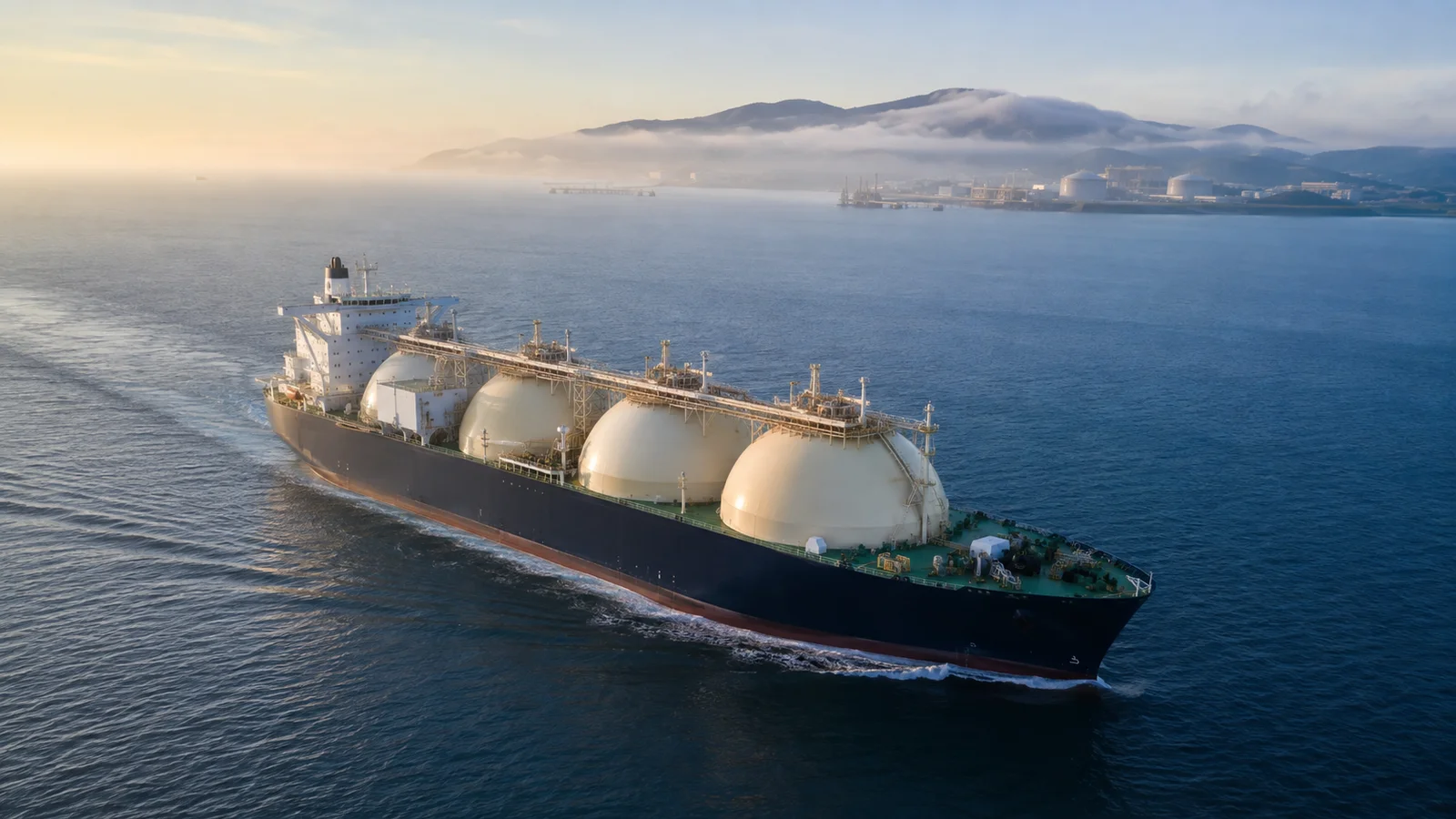
AI-generated editorial illustration.
> Editorial draft — pending specialist insurance and, where relevant, legal/compliance review. Updated 7 September 2026. Examples are hypothetical; the issued policy and applicable law determine actual cover.
LNG and LPG carriers require an insurance discussion that recognises specialised containment, machinery and cargo handling. The initials describe different liquefied gas trades, and the vessels involved can use different storage and propulsion arrangements. A submission should describe the actual ship rather than assume one standard gas-carrier risk.
The owner’s main challenge is to connect physical assets, contractual performance and cargo responsibilities. A technical failure can affect the vessel, cargo handling and earnings at the same time, while each policy applies its own trigger.
Explain containment and machinery
Provide vessel particulars, class, cargo containment system, propulsion arrangement and relevant cargo equipment. Identify major compressors, pumps, reliquefaction systems or other specialist installations where fitted. State the manufacturer support and maintenance arrangements for equipment whose repair could be difficult or slow.
The IMO’s IGC Code provides an international framework for the construction and equipment of ships carrying liquefied gases in bulk. Its approach recognises product hazards and the risks associated with refrigerated or pressurised carriage. Applicability and amendments must be checked for the particular vessel. See IMO International Gas Carrier Code.
Underwriters should receive a concise technical summary supported by records. Excessive detail without an explanation of critical systems can obscure the points that matter, such as redundancy, spare availability and the consequences of a single equipment failure.
Distinguish vessel cover from cargo obligations
Hull insurance concerns insured damage to the ship and equipment. Cargo insurance concerns the goods. P&I or charterers’ liability may address specified liabilities, while income cover needs separate agreement. The insurance programme should identify the interest of each party to the trade.
Contracts may allocate responsibilities for cargo quantity, quality, fuel use, performance and handling. A deduction from hire or freight is not automatically an insured cargo loss. The legal basis of the deduction and the insurance wording both need review.
Keep cargo performance promises separate from the physical-damage cover request. An insurer assessing accidental damage may not be accepting every contractual guarantee in a charterparty.
Give boil-off a specific review
Boil-off gas arises from the physical characteristics and handling of liquefied gas cargo. Its treatment can involve cargo accounting, propulsion, reliquefaction and contract terms. Normal operational consumption and an accidental loss allegation are not necessarily equivalent for insurance purposes.
Gard’s discussion of LNG boil-off and reliquefaction explains how particular charter mechanisms can create deductions that are not recoverable under ordinary P&I arrangements. It is a useful example of why contracts need individual review, not a universal statement about every LNG policy. See Gard: LNG boil-off and reliquefaction insurance issues.
Present the relevant charter clauses and measurement arrangements to the adviser. Clarify how quantities are recorded at loading and discharge, how fuel use is accounted for and how disputes are evidenced. Avoid claiming that all excess boil-off is covered merely because a liability policy exists.
Examine downtime exposure
Specialist repairs can take time because of yard suitability, spare parts, technical attendance and testing. Loss-of-hire cover, if purchased, should be matched to the owner’s income exposure and the underlying hull terms. Confirm daily amounts, deductibles expressed in time, maximum periods and the handling of partial loss of earning activity.
A published insurer description illustrates the connection between hull damage and loss-of-hire cover. The actual policy may differ and must be read in full. See Gard: loss of hire cover.
Ask how the policy treats waiting for a part, movement to a repair facility and work performed simultaneously with a scheduled maintenance period. Some of the lost time may relate to owner’s work rather than the insured casualty. A reliable repair chronology is essential.
Prepare operational evidence
Include maintenance history, class records, relevant inspection reports and a claims summary. Explain the experience and training arrangements for crew operating specialist cargo equipment. Show how shore specialists support alarms, defects and non-routine operations.
Describe the terminal interface and any trading limitations. If the vessel’s intended employment changes, identify the technical and contractual consequences before asking whether existing cover remains suitable. A different trade can affect both equipment use and the allocation of responsibilities.
For major retrofits, provide the scope, completion evidence and updated values. The insurance file should match the vessel’s configuration at inception, not an older set of particulars copied from a previous renewal.
A hypothetical compressor breakdown
A gas carrier suffers accidental damage to a cargo-related compressor. The vessel remains afloat and otherwise operational, but the technical team must assess whether the intended cargo operation can continue safely. Repairs require specialist attendance and a replacement part.
The owner notifies the relevant insurers and preserves logs, alarms, maintenance records and the damaged components. The claims analysis separates equipment repairs, any cargo loss allegation, contractual deductions and lost earning time. Each item requires evidence and a relevant policy provision.
If the owner also performs planned upgrades during the stoppage, those costs and days should be identified separately. The hypothetical does not assume the cause or insurance outcome; it shows how one technical failure can produce several distinct financial questions.
Agree the final programme clearly
Review hull values, cargo liabilities, contractual extensions, war requirements and loss-of-hire terms together. Check insured parties and the role of the charterer, especially where cargo and fuel responsibilities intersect.
Give the technical and commercial teams a clear summary of conditions and change-notification requirements. Gas-carrier insurance is most useful when its wording reflects the actual machinery, operating model and contracts that the vessel will use.
Frequently asked questions
Are LNG and LPG carriers insured on identical terms?
No. Containment, equipment, cargo characteristics, operations and contracts can differ. The underwriter must assess the particular vessel and trade.
Is ordinary boil-off automatically insured?
No. Normal operational loss, fuel use, contractual deductions and accidental damage need separate analysis under the relevant wording.
Can loss of hire cover a long wait for specialist parts?
Potentially, where the delay follows an insured trigger and the policy terms allow it. Waiting periods, limits, repair choices and evidence remain important.
Related reading and next step
Tanker Insurance: Cover for Oil, Product and Chemical Tankers; How Energy Cargo Insurance Protects High-Value Shipments; Loss of Hire Insurance for Commercial Vessels.
Prepare a marine insurance enquiry with the relevant vessel, cargo and voyage details. Availability requires underwriting, compliance review and confirmed capacity. An enquiry, estimate or payment does not by itself establish cover.
Sources and editorial review
- IMO International Gas Carrier Code
- Gard: LNG boil-off and reliquefaction insurance issues
- Gard: loss of hire cover
Prepared by the MarineEnergyCover editorial desk. No individual expert reviewer has yet approved this draft. Source references describe their own legal regimes or policy forms and do not establish MarineEnergyCover’s regulatory status, authority or available terms.
Frequently asked questions
Are LNG and LPG carriers insured on identical terms?
No. Containment, equipment, cargo characteristics, operations and contracts can differ. The underwriter must assess the particular vessel and trade.
Is ordinary boil-off automatically insured?
No. Normal operational loss, fuel use, contractual deductions and accidental damage need separate analysis under the relevant wording.
Can loss of hire cover a long wait for specialist parts?
Potentially, where the delay follows an insured trigger and the policy terms allow it. Waiting periods, limits, repair choices and evidence remain important.
Sources & further reading
- IMO International Gas Carrier Code
- Gard: LNG boil-off and reliquefaction insurance issues
- Gard: loss of hire cover
General information, not a coverage determination or offer. Actual cover is subject to policy wording, insurer terms, underwriting and applicable law.