
Laid Up Vessel Insurance: Preservation and Reactivation Conditions
Laid-up vessel insurance should reflect the location, duration, manning, preservation, inspections and permitted activities during inactivity.
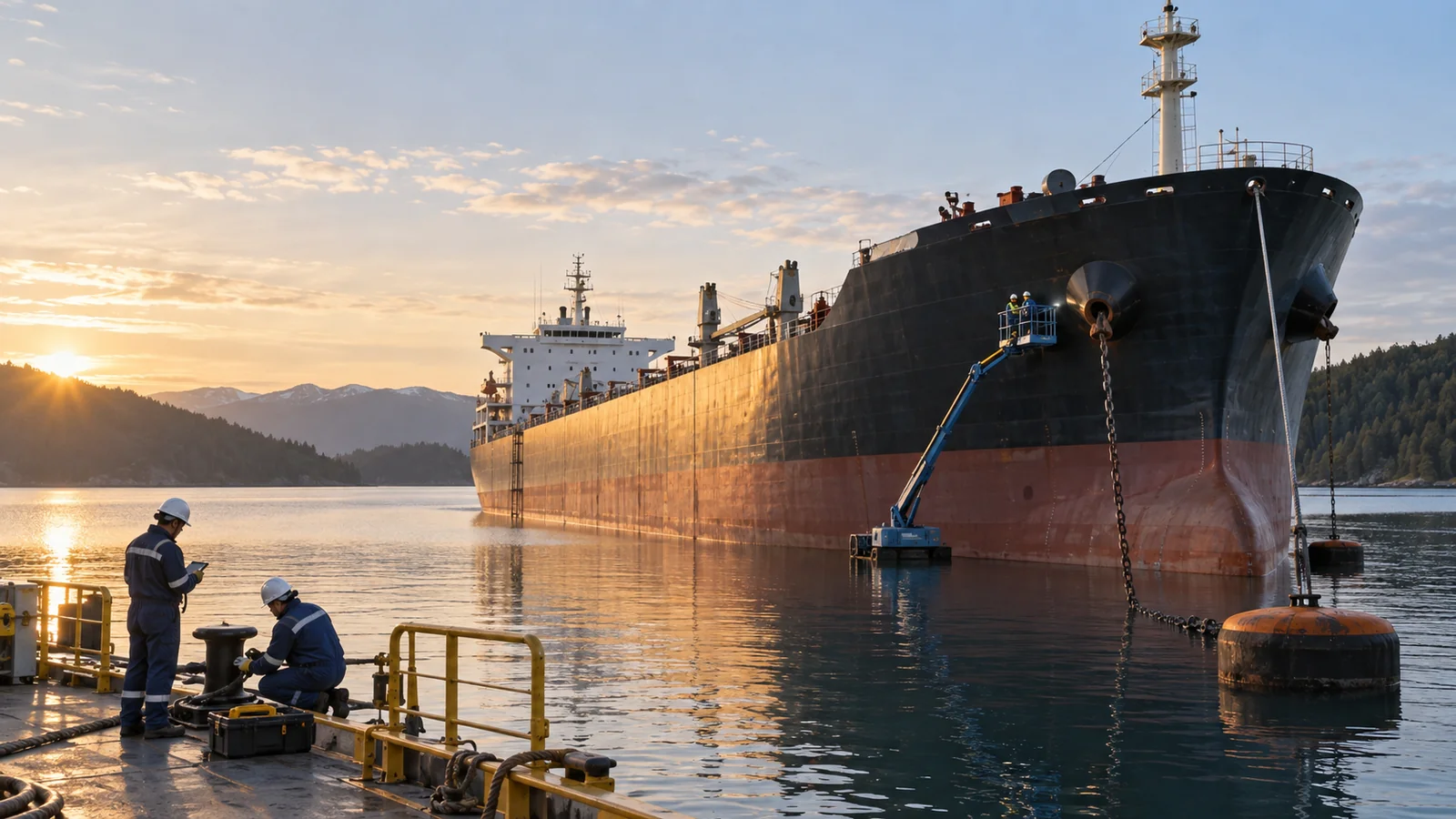
AI-generated editorial illustration.
Taking a vessel out of commercial service changes its exposure but does not eliminate it. Mooring, fire, weather, corrosion and the condition of idle machinery still need attention.
What should laid up vessel insurance address?
Laid-up vessel insurance should reflect the location, duration, manning, preservation, inspections and permitted activities during inactivity. The insurer may require specific conditions or a survey. Any premium adjustment and the steps required for reactivation depend on the actual policy; lay-up does not automatically produce a refund or authorise immediate return to trading.
Describe the lay-up arrangement
| Item | Information for the insurer |
|---|---|
| Location | Mooring, shelter, access and environmental exposure |
| Status | Systems operating, manning and permitted maintenance |
| Preservation | Inspection and machinery-care arrangements |
| Duration | Expected period and review dates |
| Reactivation | Planned surveys, tests and first voyage |
UK P&I's published fixed-premium terms provide an example of policy-specific lay-up provisions. They are an older, provider-specific wording, not current universal conditions or the terms of your vessel's entry.
A fictional early return to service
An owner expects six months of inactivity but receives a contract after two months. Before sailing, the owner should review insurer notification, class or flag requirements, machinery condition and any reactivation survey or trial conditions. A still-valid certificate may not show restrictions attached to the lay-up arrangement.
Keep the date of the decision, revised work plan and insurer's response. Do not assume that paying an additional premium alone confirms every required condition has been met.
Keep preservation evidence practical
For underwriting, provide vessel particulars, condition, values, location, mooring arrangements, manning, maintenance, security and loss history. Explain hot work or movement planned during lay-up. Technical preservation procedures should be prepared by competent personnel for the vessel, not copied from a general insurance article.
Retain inspection logs, alarms, maintenance and weather-related actions. Record defects as they are found and how they are addressed. A file showing genuine oversight is more useful than a retrospective statement that the vessel was “maintained throughout”.
Review what inactivity does not change
Ask about deterioration, machinery breakdown, mooring failures, pollution, wreck removal and permitted movements. Liability can remain even when no cargo is carried. The treatment of those exposures must come from the policy and applicable law.
After a loss, notify relevant insurers and preserve maintenance, mooring and incident records. Separate pre-existing deterioration from new damage where evidence allows, without making unsupported causal assumptions.
Read marine renewal planning and machinery breakdown risks. Explore hull enquiries and submit the lay-up and reactivation plan before relying on a changed operating status.
Key takeaways
- Laid-up vessel insurance should reflect the location, duration, manning, preservation, inspections and permitted activities during inactivity.
- Confirm the reactivation requirements and obtain any necessary agreement before resuming operations; lay-up terms may depend on the declared status.
Frequently asked questions
What should laid up vessel insurance address?
Laid-up vessel insurance should reflect the location, duration, manning, preservation, inspections and permitted activities during inactivity. The insurer may require specific conditions or a survey. Any premium adjustment and the steps required for reactivation depend on the actual policy; lay-up does not automatically produce a refund or authorise immediate return to trading.
Can a laid-up vessel resume trading without telling its insurer?
Confirm the reactivation requirements and obtain any necessary agreement before resuming operations; lay-up terms may depend on the declared status.
Sources & further reading
General information, not a coverage determination or offer. Actual cover is subject to policy wording, insurer terms, underwriting and applicable law.