
What Affects Hull & Machinery Insurance Premiums?
Understand the factors behind a hull quotation and compare premium, deductibles, values, survey conditions and retained loss exposure.
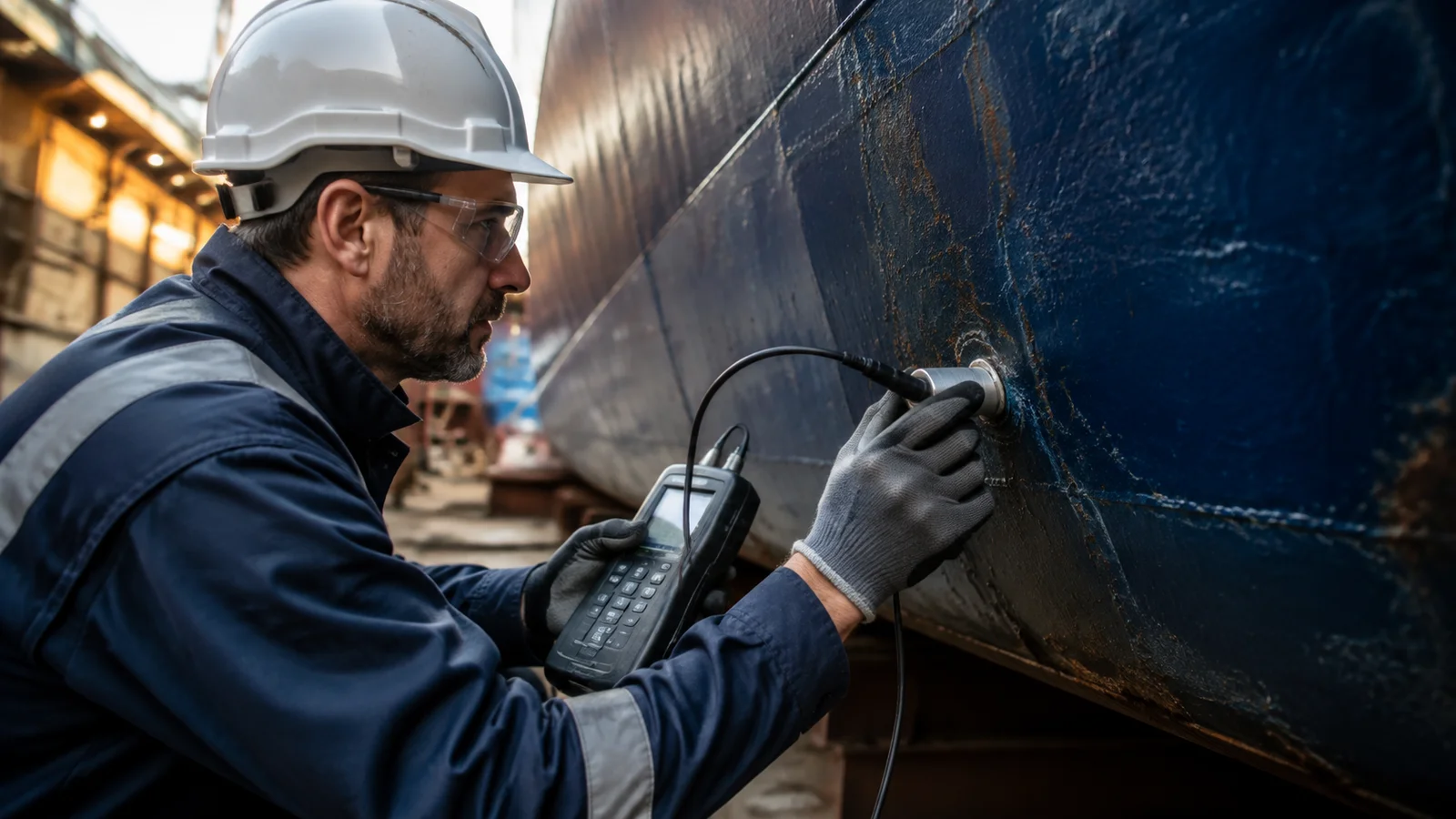
AI-generated editorial illustration.
> Editorial draft — pending specialist insurance and, where relevant, legal/compliance review. Updated 7 September 2026. Examples are hypothetical; the issued policy and applicable law determine actual cover.
Hull and machinery premiums reflect more than a vessel’s age and insured value. Underwriters assess the chance of loss, its potential size, the quality of information and the terms they are being asked to provide. Two ships with similar dimensions can attract different offers because their condition, management and trading differ.
Owners should approach pricing as a structured negotiation supported by evidence. The goal is a sustainable programme with understood retentions and conditions, rather than simply the smallest number on an invoice.
Insured value and vessel characteristics
The insured value is a central input because it affects the amount exposed to loss. Explain its basis and date. A purchase price, broker valuation, book value and loan balance may serve different purposes. Use a supported valuation that the insurer accepts, and identify separate increased-value or lender interests where relevant.
Vessel type, construction, size, machinery arrangement and specialist equipment also matter. A complex cargo system or a long lead time for critical spares can influence the likely cost and duration of repairs. Provide an accessible technical summary instead of requiring the underwriter to infer the ship’s configuration from several certificates.
Age is one indicator, not a complete condition report. An older ship with documented renewal work may present differently from a newer vessel with unresolved defects. The submission should make those differences visible.
Condition, class and maintenance evidence
Class status, survey findings, outstanding recommendations and dry-dock records help establish technical condition. Classification is a technical verification process; the relevant society’s current record is more informative than an expired copy of a certificate. IACS explains the role of class and periodic surveys. See IACS: classification questions and answers.
Include machinery maintenance, oil analysis or condition-monitoring evidence where relevant to the equipment. Show who reviews findings and how defects are closed. A report without follow-through leaves uncertainty about whether the underlying risk changed.
The distinction between accidental damage and ordinary deterioration can affect both underwriting and claims. The Nordic Plan’s hull commentary offers one policy-specific explanation of maintenance-related issues. See Nordic Plan commentary on hull damage. The proposed policy must still be examined on its own terms.
Management and operating pattern
Underwriters need to understand shore management, crew arrangements and the vessel’s work. Frequent port movements, shallow-water operations, ice exposure or remote repair locations can influence risk differently. A declared trading range should reflect actual plans, including seasonal variations.
Explain changes in technical manager, crewing model or operational control. If the operator has improved procedures after a casualty, provide evidence of implementation. A management presentation should connect policies to shipboard practice rather than rely on slogans about safety culture.
For specialist operations, provide a clear description of control and responsibility. Towing, heavy lifts, extended lay-up or conversion work may require terms different from ordinary trading. Early disclosure makes it easier to obtain a meaningful offer.
Claims history and the story behind the figures
Provide claims over the period requested, with dates, causes, paid amounts, outstanding estimates, deductibles and corrective action. Separate open reserves from final settled costs. A single large event and a pattern of repeated machinery failures call for different explanations.
Include relevant incidents below the deductible when asked. They can reveal operating patterns that paid claims alone conceal. Explain changes in fleet size or insured periods so that the underwriter does not compare unlike exposure histories.
Do not promise a particular discount for a clean record. Pricing also depends on market conditions, insurer appetite and policy terms. The owner’s strongest contribution is a transparent, well-supported account of the risk.
Deductibles and breadth of cover
A higher deductible shifts more loss cost to the owner and may affect premium, but the relationship is not automatic or uniform. Check ordinary, machinery and special deductibles together. Establish whether the amount applies per casualty, per occurrence or on another basis.
Compare total-loss-only and broader repair cover carefully. They protect different exposures. Survey requirements, navigation limits, collision liability allocation and exclusions can also explain why one quote costs less. A price comparison without a coverage comparison is incomplete.
Insurer proposal forms illustrate the range of information needed for product-specific assessment. They are useful preparation references, not evidence of a fixed rating method. See Gard marine insurance application forms.
A hypothetical deductible decision
An owner compares two otherwise aligned offers. One has a lower annual premium and a larger machinery retention. The finance team models several plausible repair events using its own incident history, including events that would fall below either deductible.
The exercise shows how much cash the owner would need to retain under each option. The board then considers liquidity, access to emergency funds and tolerance for several losses in one year. This is more useful than deciding on premium savings alone.
The scenario does not establish a recommended deductible or market price. It demonstrates how to make the trade-off explicit, especially for a small fleet whose earnings depend on one or two vessels.
Improve the quality of the quotation process
Send all markets the same dated submission and update material facts consistently. Keep a comparison sheet covering values, deductibles, conditions, fees, taxes, quote validity and outstanding requirements. Ask for explanations where terms differ.
Before accepting, ensure that the operations team can comply with the conditions and finance understands the retained exposure. Obtain authorised confirmation of binding and preserve the final wording. Better information can improve the decision even where it does not reduce the premium.
Frequently asked questions
Can I estimate hull premium from vessel value alone?
Only very roughly, and an unsupported rate can mislead. Condition, operations, claims, terms and capacity need to be assessed for an actual quotation.
Does an older vessel always cost more to insure?
Age can matter, but insurers also examine condition, maintenance, class, management and the scope requested. There is no universal age surcharge.
Should I choose the lowest quote?
Compare matched coverage and retained costs first. A cheaper offer may have different deductibles, exclusions, survey obligations or navigation limits.
Related reading and next step
Hull & Machinery Insurance: Complete Guide for Vessel Owners; Marine Insurance for Older Commercial Vessels; Fleet Marine Insurance: When One Programme Covers Multiple Ships.
Prepare a marine insurance enquiry with the relevant vessel, cargo and voyage details. Availability requires underwriting, compliance review and confirmed capacity. An enquiry, estimate or payment does not by itself establish cover.
Sources and editorial review
- Nordic Plan commentary on hull damage
- IACS: classification questions and answers
- Gard marine insurance application forms
Prepared by the MarineEnergyCover editorial desk. No individual expert reviewer has yet approved this draft. Source references describe their own legal regimes or policy forms and do not establish MarineEnergyCover’s regulatory status, authority or available terms.
Frequently asked questions
Can I estimate hull premium from vessel value alone?
Only very roughly, and an unsupported rate can mislead. Condition, operations, claims, terms and capacity need to be assessed for an actual quotation.
Does an older vessel always cost more to insure?
Age can matter, but insurers also examine condition, maintenance, class, management and the scope requested. There is no universal age surcharge.
Should I choose the lowest quote?
Compare matched coverage and retained costs first. A cheaper offer may have different deductibles, exclusions, survey obligations or navigation limits.
Sources & further reading
- Nordic Plan commentary on hull damage
- IACS: classification questions and answers
- Gard marine insurance application forms
General information, not a coverage determination or offer. Actual cover is subject to policy wording, insurer terms, underwriting and applicable law.