
Marine Insurance Explained: A Complete Guide for Shipowners
A practical framework for connecting vessel damage, third-party liability, cargo, war risks and income protection into one coherent insurance programme.
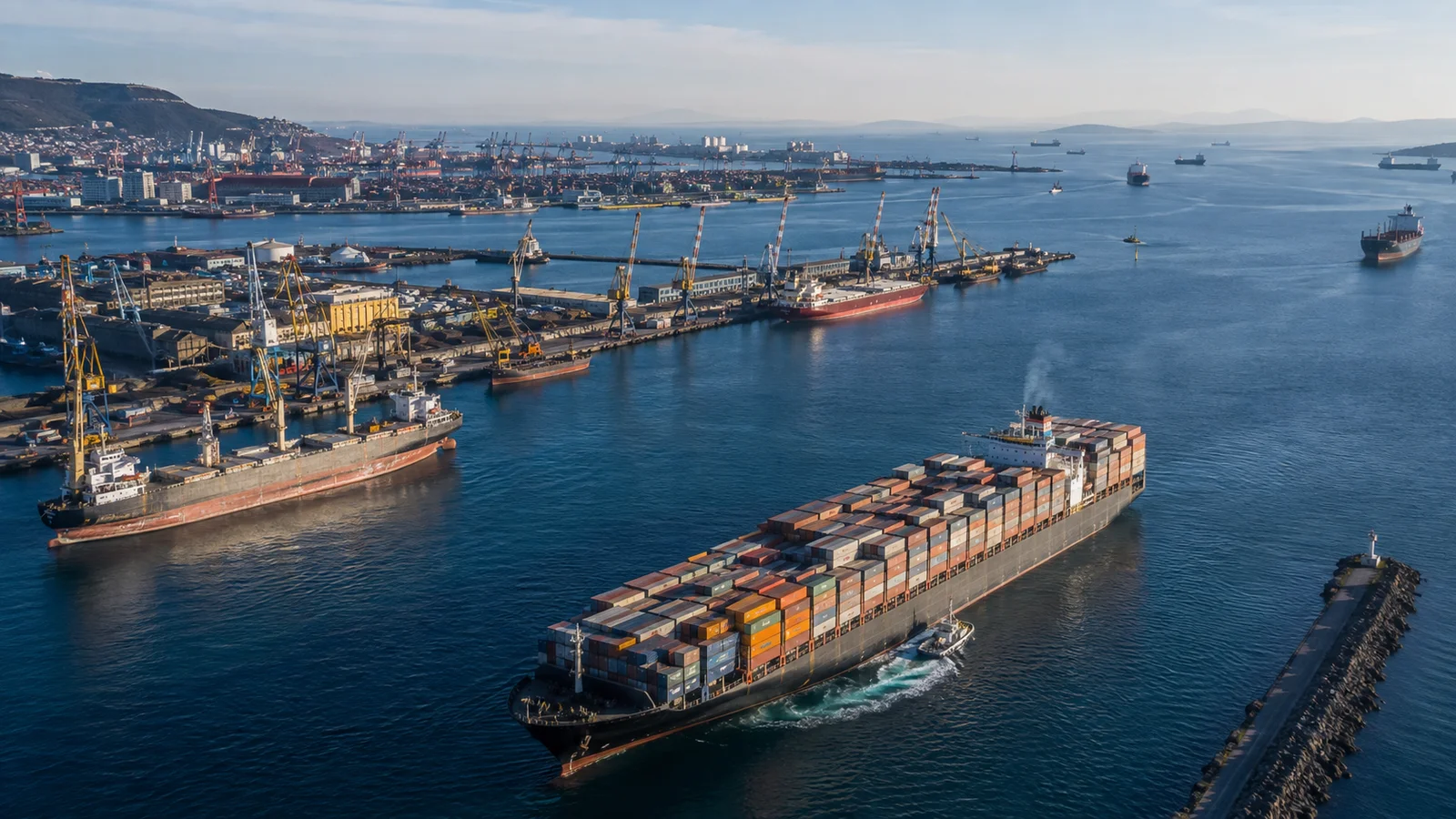
AI-generated editorial illustration.
> Editorial draft — pending specialist insurance and, where relevant, legal/compliance review. Updated 7 September 2026. Examples are hypothetical; the issued policy and applicable law determine actual cover.
Marine insurance is a collection of contracts that protect different financial interests connected with ships and maritime trade. For a shipowner, the central task is to identify which losses the business could suffer and match each exposure to an appropriate policy. A vessel’s repair bill, a crew injury, damage to someone else’s cargo and weeks without charter income are different problems, even when one accident causes all four.
This guide is a starting point for an insurance discussion. It explains how the parts fit together, what an owner should prepare and which questions deserve a written answer before a vessel starts trading.
Start with the business, then the vessel
Draw an ownership and operating map. Identify the registered owner, technical manager, commercial operator, charterer, lenders and any company that employs the crew. An insurance programme should identify the relevant insured interests and explain how each party is treated. Sharing a corporate group does not automatically make a company an insured.
Next, describe what the ship actually does. A coastal tanker making frequent terminal calls presents a different operating pattern from a bulk carrier spending weeks at sea. Include seasonal trading, unusual cargoes, ship-to-ship transfers, lay-up periods and planned repairs. A short operating narrative helps an underwriter understand the numbers in a vessel spreadsheet.
Understand the principal covers
Hull and machinery insurance addresses covered physical loss of or damage to the vessel and insured equipment. The precise treatment of collision liability, salvage and other associated costs depends on the form chosen. Protection and indemnity, usually shortened to P&I, addresses specified liabilities arising from operation of the ship. Crew, cargo, pollution, wreck and property claims are among the liability categories described by the International Group. See International Group: the role of P&I clubs.
Cargo insurance protects the cargo interest under its own contract. It should not be confused with an owner’s liability to cargo interests: the first concerns insured goods; the second asks whether a carrier is legally liable. A cargo insurer may pay a covered claim and then investigate recovery from the responsible party.
War insurance deals with defined war and related perils, often separately from ordinary marine risks. Loss of hire concerns an agreed income exposure when the applicable trigger is met. Neither should be assumed to accompany hull cover automatically. Charterers may also need protection for liabilities arising from their own contractual and operating role.
Read the contract as a connected set
A certificate is useful evidence, but the schedule, wording, clauses and endorsements need to be read together. Check the insured parties, vessel identification, period, currency, insured values, limits, deductibles and trading area. Record any special conditions in language the operations team can use.
A deductible is the amount or period retained by the insured before the relevant policy responds. A limit caps the insurer’s obligation in the way the contract describes. An exclusion removes a type of loss or circumstance from cover. An endorsement changes the underlying terms. These are operational details: a high deductible affects working capital, while a route restriction affects voyage planning.
Ask how overlapping policies interact. If a collision damages the vessel and a terminal, which insurer leads the response? If salvage benefits ship and cargo together, who gathers the documents? Agree a casualty contact sheet before a loss. Coordination between hull and P&I handlers is a recognised part of casualty management; a published insurer example is Gard: coordinated marine casualty claims handling.
Present the risk fairly
Prepare vessel particulars, class records, management details, claims history and a realistic trading description. Explain outstanding defects and corrective work rather than submitting a large folder without context. Separate facts that are confirmed from estimates that may change.
For non-consumer insurance within its scope, the UK Insurance Act 2015 establishes a duty of fair presentation. Its application and any permitted contracting out require attention to the actual contract. International placements can involve other governing laws, so an owner should identify the applicable disclosure standard with its adviser. See UK Insurance Act 2015.
A hypothetical casualty map
Suppose a ship suffers an engine-room fire while approaching port. The fire damages machinery, smoke injures a crew member, firefighting water affects cargo and repairs interrupt the charter. The owner should create one factual incident record, then separate the financial consequences.
Machinery repairs are presented to the relevant property insurer; the crew and cargo liability allegations go to the liability team; lost operating income is assessed against any income policy. There may be uninsured items, different deductibles and disagreement about the cause. The fact that all costs arise from one fire does not produce one automatic payment.
An effective programme makes this separation easier. It identifies emergency contacts, reporting obligations, survey arrangements and authority to approve expenditure. It also explains who may provide security if the vessel is threatened with arrest. Owners should keep enough accessible funds for immediate response even where a claim appears potentially insured.
Turn renewal into a business review
At renewal, review changes in ship value, cargo mix, management, debt and route exposure. Compare claims over several years, including open reserves and what was done to prevent repetition. A change in premium means little without checking whether limits, deductibles or conditions also changed.
Give finance, operations, legal and technical managers the same final cover summary. Assign responsibility for reporting new voyages and material changes. Insurance works best as part of everyday fleet management: the contract should support the business’s real activities, and the business should be able to meet the contract’s conditions.
Frequently asked questions
Is marine insurance one policy?
Usually it is a programme of policies for different interests. Some products combine covers, but the schedule and wording must confirm what is actually included.
Does paying the premium mean the vessel is covered?
Payment is one step. Cover depends on authorised agreement, effective dates and any conditions that must be satisfied before attachment. Obtain written confirmation of binding.
Does P&I insure my own cargo?
P&I primarily addresses liabilities. Insurance for cargo owned by the business should be discussed separately, including any agreed extensions and the capacity in which the business is acting.
Related reading and next step
What Does Ship Insurance Cover?; Hull & Machinery Insurance: Complete Guide for Vessel Owners; Protection & Indemnity Insurance Explained.
Prepare a marine insurance enquiry with the relevant vessel, cargo and voyage details. Availability requires underwriting, compliance review and confirmed capacity. An enquiry, estimate or payment does not by itself establish cover.
Sources and editorial review
- International Group: the role of P&I clubs
- UK Insurance Act 2015
- Gard: coordinated marine casualty claims handling
Prepared by the MarineEnergyCover editorial desk. No individual expert reviewer has yet approved this draft. Source references describe their own legal regimes or policy forms and do not establish MarineEnergyCover’s regulatory status, authority or available terms.
Frequently asked questions
Is marine insurance one policy?
Usually it is a programme of policies for different interests. Some products combine covers, but the schedule and wording must confirm what is actually included.
Does paying the premium mean the vessel is covered?
Payment is one step. Cover depends on authorised agreement, effective dates and any conditions that must be satisfied before attachment. Obtain written confirmation of binding.
Does P&I insure my own cargo?
P&I primarily addresses liabilities. Insurance for cargo owned by the business should be discussed separately, including any agreed extensions and the capacity in which the business is acting.
Sources & further reading
- International Group: the role of P&I clubs
- UK Insurance Act 2015
- Gard: coordinated marine casualty claims handling
General information, not a coverage determination or offer. Actual cover is subject to policy wording, insurer terms, underwriting and applicable law.
Related reading
- Commercial Marine Insurance: Map Cover Across Your Business
- Shipyard Insurance: Separate Yard Assets and Customer Vessels
- Offshore Energy Insurance: Construction and Operating Interfaces
- What Does Ship Insurance Cover?
- Hull & Machinery Insurance: Complete Guide for Vessel Owners
- Protection & Indemnity Insurance Explained
- Explore marine insurance products