
Oil Rig Insurance: Separate Property, Liability and Well Risks
Separate the rig and equipment, operational liabilities, well-related risks, pollution and any requested income protection.
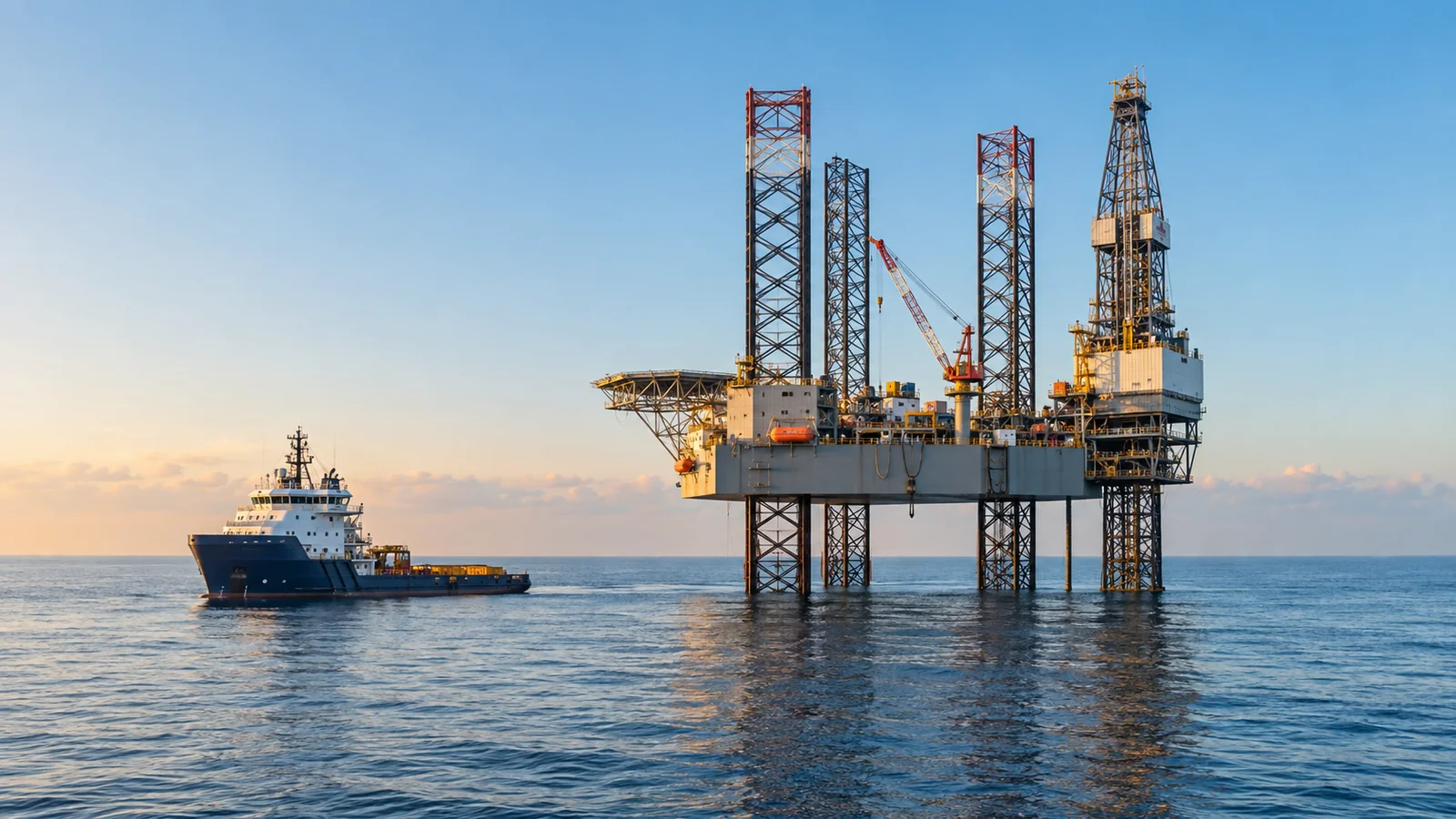
AI-generated editorial illustration.
An offshore rig's property value does not describe all of the risks created by drilling. Physical damage, well-control expenses, pollution and contractual liabilities need separate consideration.
What does an oil rig insurance enquiry need to separate?
Separate the rig and equipment, operational liabilities, well-related risks, pollution and any requested income protection. The owner, operator and contractors may bear different interests under their agreements. An offshore property or hull policy does not automatically include every blowout, redrilling, seepage or contractual exposure.
Identify the insured parties and activities
| Interest | Information to establish |
|---|---|
| Rig property | Ownership, value, condition and operating status |
| Drilling operation | Who operates the well and under which contract? |
| Contractors' equipment | Who owns it and bears loss during use? |
| Pollution and well risks | Which party has the obligation and which cover is requested? |
Marsh's oil and gas overview describes property and casualty as distinct risk-transfer areas. A specialist assessment is needed to determine the arrangement for a particular rig; the source does not establish MarineEnergyCover's capacity or authority.
A fictional contract change
A rig moves to a new field under a contract with different indemnities. Even if the rig value remains unchanged, the allocation of pollution, well and equipment responsibility may change. Submit the new contract and work scope rather than asking only to amend the location.
Keep the rig's marine movement, installation or positioning, drilling and any idle period separately described. Technical suitability and insurance agreement are different decisions and require their respective competent reviewers.
Present a coherent underwriting pack
Include rig type, age, class where applicable, condition, location, operating environment, values, maintenance, contractors, well-operation scope and loss history. Provide relevant technical information through the appropriate secure process and identify assumptions or information still awaiting confirmation.
Ask about control-of-well, redrilling, underground resources, pollution, contractual liability, equipment in use and interruption. These are questions to resolve, not a list of automatically insured items. Wording definitions, limits and exclusions may differ materially across proposals.
Examine the financial loss trigger
Lost revenue can arise from physical damage, an operational problem, contractual suspension or market conditions. Any income protection must be checked for the actual trigger, waiting period and calculation basis. Do not assume a rig's inability to work is sufficient by itself.
After an incident, prioritise emergency response and notify relevant insurers. Preserve technical logs, contractual instructions, maintenance and event records. Coordinate investigations so repair or disposal does not unnecessarily destroy evidence. Separate property costs, liability demands and well-related expenses in the claim file.
Next action
Read pollution liability guidance and marine programme fundamentals. Explore pollution enquiries and contact the team about a rig risk, identifying which specialist interests require assessment rather than assuming a generic marine application is sufficient.
Key takeaways
- Separate the rig and equipment, operational liabilities, well-related risks, pollution and any requested income protection.
- No. Rig property, well-control expenses and liabilities address different exposures and need separate examination of the agreed terms.
Frequently asked questions
What does an oil rig insurance enquiry need to separate?
Separate the rig and equipment, operational liabilities, well-related risks, pollution and any requested income protection. The owner, operator and contractors may bear different interests under their agreements. An offshore property or hull policy does not automatically include every blowout, redrilling, seepage or contractual exposure.
Is control-of-well protection the same as insuring an oil rig?
No. Rig property, well-control expenses and liabilities address different exposures and need separate examination of the agreed terms.
Sources & further reading
General information, not a coverage determination or offer. Actual cover is subject to policy wording, insurer terms, underwriting and applicable law.