
Port Operators Liability Insurance: Infrastructure and Marine Services
Port operators liability insurance addresses specified liabilities arising from insured port activities.
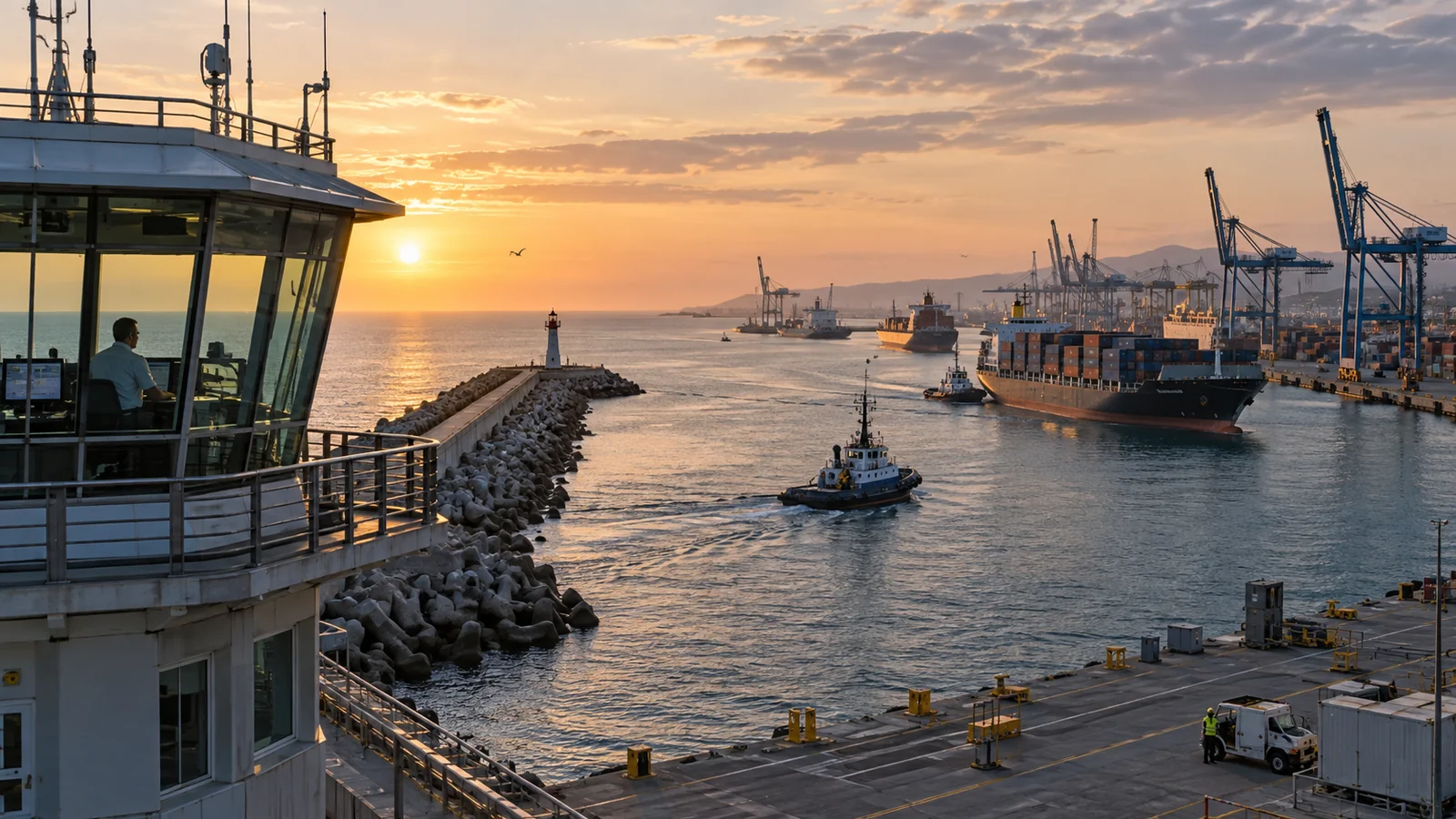
AI-generated editorial illustration.
A port authority's responsibilities may extend beyond cargo handling to navigation services, infrastructure, access and environmental obligations. Insurance should begin with the actual services and legal duties of that operator.
What should port operators liability insurance address?
Port operators liability insurance addresses specified liabilities arising from insured port activities. Those activities may differ from a terminal's cargo-handling services. Identify navigation-related functions, infrastructure responsibilities, contractors and environmental exposures, then compare them with the policy. Owned-property damage and interruption can require separate sections or arrangements.
Separate authority, operator and contractor roles
| Function | Responsibility question |
|---|---|
| Berth and channel infrastructure | Who maintains and controls the asset? |
| Marine services | Who supplies towage, pilotage or mooring work? |
| Cargo facilities | Which activities belong to terminal tenants? |
| Emergency response | Which obligations arise from law or contract? |
TT Club's port-risk discussion highlights the diversity of port business models and interactions. It supports a role-specific assessment rather than assuming all ports need the same programme.
A fictional damaged-berth event
A vessel contacts a berth, damaging infrastructure and interrupting access for another user. The operator should distinguish the cost of its own repairs, potential recovery from the vessel, third-party allegations and lost revenue. A liability policy alone does not necessarily pay the operator's own property or interruption loss.
Preserve inspection, maintenance, navigation and incident records. Coordinate surveys and urgent protective works, documenting why they were necessary. Avoid assuming that an initial allegation determines the final allocation of responsibility.
Build the underwriting pack around services
Provide the port layout, infrastructure values, activities, vessel traffic, tenant arrangements, contractors, emergency plans and claims history. Identify unusual cargoes, dangerous goods, dredging responsibilities and maximum concentrations of property or cargo.
Attach relevant contracts and explain the operator's statutory role. Mandatory law may affect liability and limits, so obtain jurisdiction-specific advice rather than relying on a standard terminal contract from another country.
Review catastrophe and interruption interfaces
Ask about pollution, wreck-related obligations, berth blockage, professional services, cyber events and contractual indemnities. Determine whether interruption requires insured physical damage or another stated trigger. A closed port does not automatically establish an insured loss of revenue.
Owned cranes, buildings and equipment need their own valuation and protection assessment. Separate these interests from liability to users and tenants. Check how shared utilities or dependencies could affect more than one insured location.
Make evidence retention part of operations
Set practical retention arrangements for CCTV, vessel movement records, weather data and maintenance logs. After an incident, notify insurers and preserve those records before routine deletion. Ask for advice before admitting liability or agreeing compensation.
Read marine liability fundamentals and pollution liability. Explore liability enquiries and contact the team with the port's service and responsibility map so specialist requirements can be assessed.
Key takeaways
- Port operators liability insurance addresses specified liabilities arising from insured port activities.
- Do not assume so. Identify the legal operator of each service and the relevant insured entities, contracts and limits.
Frequently asked questions
What should port operators liability insurance address?
Port operators liability insurance addresses specified liabilities arising from insured port activities. Those activities may differ from a terminal's cargo-handling services. Identify navigation-related functions, infrastructure responsibilities, contractors and environmental exposures, then compare them with the policy. Owned-property damage and interruption can require separate sections or arrangements.
Does port operators liability cover every concessionaire?
Do not assume so. Identify the legal operator of each service and the relevant insured entities, contracts and limits.
Sources & further reading
General information, not a coverage determination or offer. Actual cover is subject to policy wording, insurer terms, underwriting and applicable law.