
Terminal Operators Liability Insurance: Custody, Limits and Contracts
Terminal operators liability insurance addresses specified liabilities arising from insured terminal services, subject to the policy and applicable legal obligations.
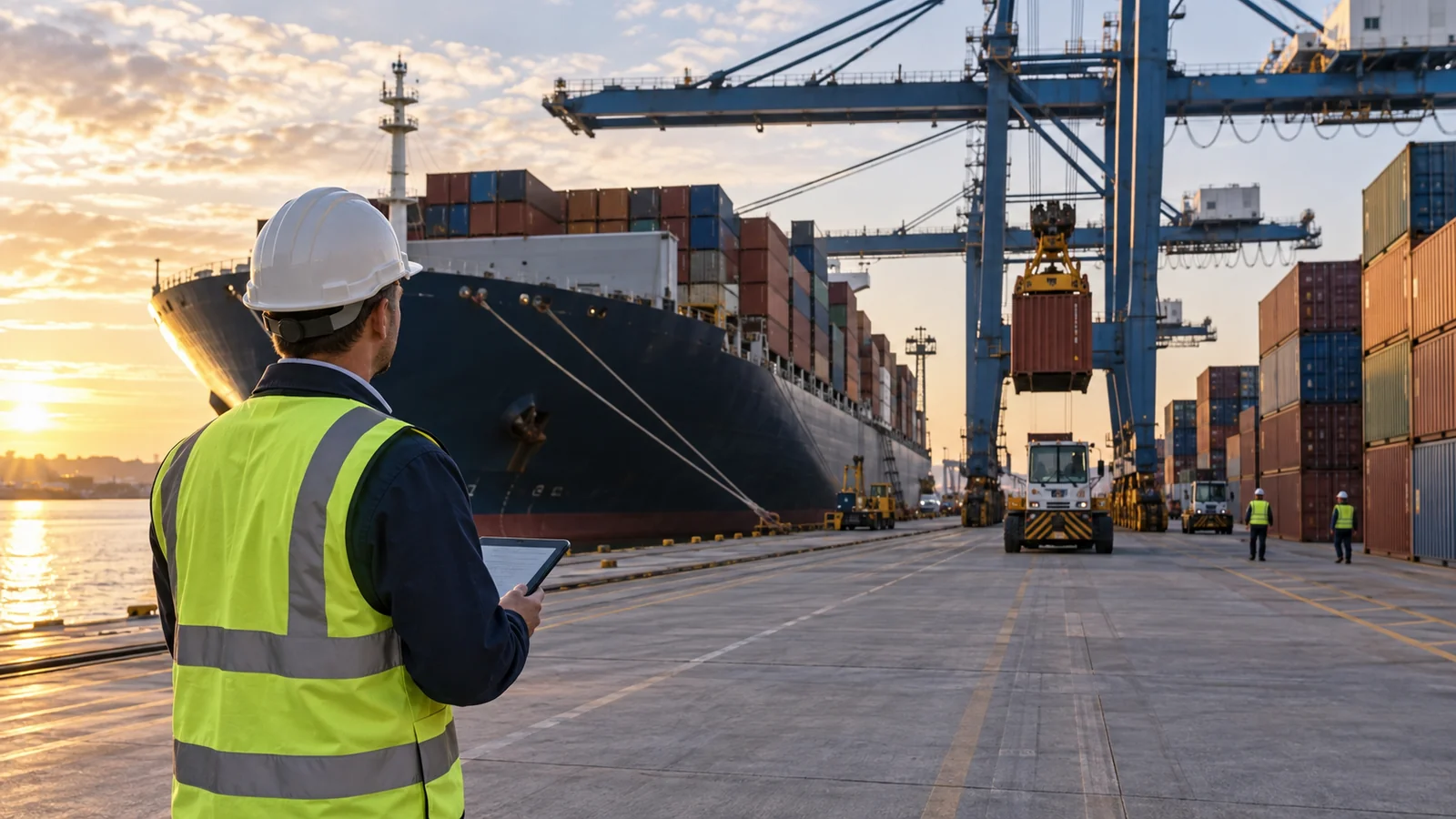
AI-generated editorial illustration.
A terminal can handle cargo, store it, move containers and operate expensive equipment under several different customer contracts. Liability insurance should reflect those services and the points at which the terminal takes responsibility.
What is terminal operators liability insurance?
Terminal operators liability insurance addresses specified liabilities arising from insured terminal services, subject to the policy and applicable legal obligations. It is distinct from insurance on the terminal's cranes, buildings or the cargo owner's goods. Contracts, custody periods, limits and exclusions are central to the enquiry.
Define custody and services
| Service | Question to resolve |
|---|---|
| Cargo receipt | When does the terminal accept responsibility? |
| Storage | Are duration, commodity and location within the insured business? |
| Loading and discharge | Which operations and subcontractors are included? |
| Release | What checks govern delivery to the correct party? |
TT Club's ports and terminals overview describes tailored liability and related cover. Use it to understand the range of exposures; the actual contract and insurance wording determine your terminal's position.
A fictional release error
A terminal releases a container on instructions later disputed by the cargo owner. The investigation may involve identity checks, release authority, system records and contractual responsibility. A claim can arise without a crane accident or visible physical damage.
Preserve the release message, access logs, identity evidence and the version of the operating procedure used. Do not alter records to make them appear consistent after the event. Determine whether a liability, crime or cyber enquiry is relevant under the actual terms.
Submit more than cargo throughput
For underwriting, describe services, commodities, peak values, storage duration, customer terms, subcontracting, equipment, security and loss history. Identify reefer operations, dangerous goods and unusual project cargo. Throughput is useful, but it does not show the maximum accumulation or contractual exposure.
Ask about errors and omissions, misdelivery, contractual liability, pollution, fines, cyber causes and business interruption. Some may require separate sections or be restricted. A liability limit should not be assumed to insure the terminal's own property or the full value of every customer's cargo without a covered obligation.
Review contracts before agreeing special terms
Compare customer indemnities, liability limits and claims procedures with the policy. Explain deviations from standard trading conditions. Mandatory law can affect contractual arrangements, so obtain appropriate legal advice rather than assuming a limitation clause always applies.
Following an incident, notify insurers, preserve CCTV and system records before routine deletion, document mitigation and coordinate surveys. Avoid admissions or settlements before checking consent requirements. Keep the cargo owner's damage evidence linked to the terminal's service and custody records.
Read P&I and liability fundamentals and cargo incident response. Explore marine liability enquiries and contact the team with the terminal service schedule and representative customer terms.
Key takeaways
- Terminal operators liability insurance addresses specified liabilities arising from insured terminal services, subject to the policy and applicable legal obligations.
- They help establish when goods entered and left the terminal's responsibility, what condition was recorded and which contract applied.
Frequently asked questions
What is terminal operators liability insurance?
Terminal operators liability insurance addresses specified liabilities arising from insured terminal services, subject to the policy and applicable legal obligations. It is distinct from insurance on the terminal's cranes, buildings or the cargo owner's goods. Contracts, custody periods, limits and exclusions are central to the enquiry.
Why do terminal custody records matter?
They help establish when goods entered and left the terminal's responsibility, what condition was recorded and which contract applied.
Sources & further reading
General information, not a coverage determination or offer. Actual cover is subject to policy wording, insurer terms, underwriting and applicable law.