
Barge Insurance: Tow Plans, Moorings and Cargo Interfaces
Barge insurance should assess physical damage, liability, navigation, towage, moorings, cargo interfaces and any specialist use.
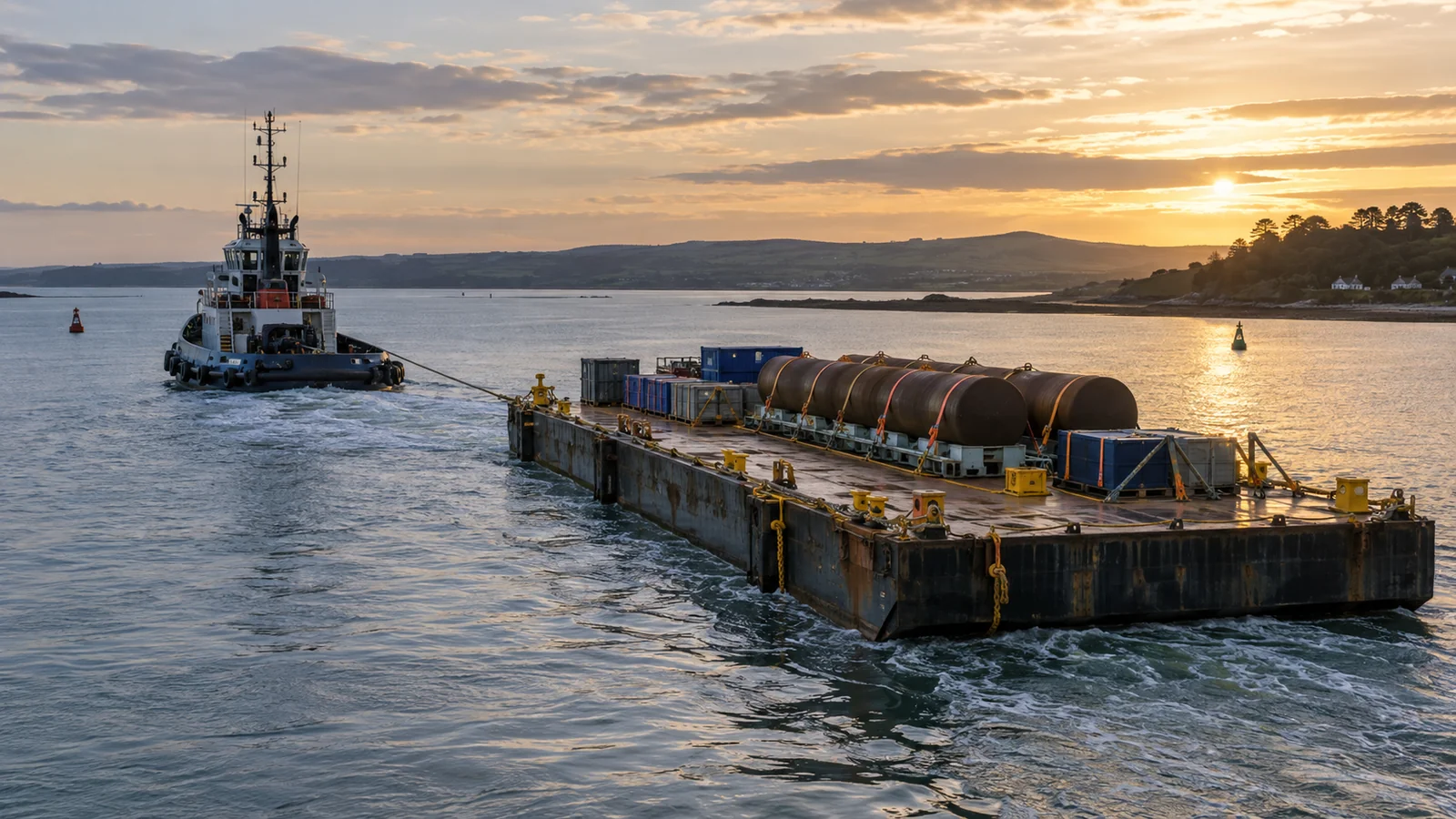
AI-generated editorial illustration.
A barge may spend time under tow, alongside a construction site and at an unmanned mooring. Each phase needs to be described when arranging insurance, particularly where the cargo, tug and barge have different owners.
What should barge insurance assess?
Barge insurance should assess physical damage, liability, navigation, towage, moorings, cargo interfaces and any specialist use. The barge's propulsion, manning and operational status matter to the description. Cargo on deck is a separate insured interest unless expressly included, and the tug's insurance does not automatically protect the barge owner.
Divide the operation into phases
| Phase | Question for the enquiry |
|---|---|
| Loading | Who approves weight distribution and securing? |
| Towage | Which tug, route, contract and survey arrangements apply? |
| Working site | Is the barge used for storage, lifting or another activity? |
| Mooring | Who inspects, secures and responds to emergencies? |
Gard's shipowner product overview separates hull and liability interests. For barges, the enquiry must go further and identify the actual towage and site activities rather than assume ordinary trading terms fit every phase.
A fictional deck-cargo movement
A barge carries a large machine to a project site and remains there as temporary storage. The cargo's transit may have ended while the barge remains exposed to weather and mooring risks. The owner and cargo interest should clarify their separate periods, values and responsibilities.
Provide the planned storage duration and whether further moves are expected. A voyage declaration should not silently become indefinite site storage. If arrangements change, retain the revised instructions and obtain any required agreement.
Present technical and contractual information
For underwriting, include hull details, age, surveys, condition, cargo, route, manning, mooring arrangements, tow plan and loss history. Explain stability and securing arrangements through competent technical documentation. This guide does not prescribe loading or towing limits.
Attach the towage and project contracts. Ask about damage to the barge, cargo liability, third-party contact, pollution and wreck-related obligations. Identify whether the barge operates as a floating work platform rather than solely as transport.
Review inactive periods as well as movements
Unattended moorings, lay-up, maintenance and storm preparations can have policy conditions. Ask how inspection frequency, security and emergency access are addressed. Do not assume an unmanned vessel is a risk-free vessel or that a lay-up description permits immediate commercial reactivation.
After an incident, preserve mooring inspections, weather records, tow logs, cargo condition and contractual instructions. Notify the relevant insurers and coordinate surveys. Keep the value of the barge separate from goods or equipment belonging to other parties.
Read hull insurance fundamentals and vessel grounding risks. Explore hull cover enquiries and submit the barge's operating phases so towage, site use and moorings can all be assessed.
Key takeaways
- Barge insurance should assess physical damage, liability, navigation, towage, moorings, cargo interfaces and any specialist use.
- No. Mooring, towage, collision, cargo and pollution issues can still arise, depending on the operation and applicable responsibilities.
Frequently asked questions
What should barge insurance assess?
Barge insurance should assess physical damage, liability, navigation, towage, moorings, cargo interfaces and any specialist use. The barge's propulsion, manning and operational status matter to the description. Cargo on deck is a separate insured interest unless expressly included, and the tug's insurance does not automatically protect the barge owner.
Does an unmanned barge have no liability exposure?
No. Mooring, towage, collision, cargo and pollution issues can still arise, depending on the operation and applicable responsibilities.
Sources & further reading
General information, not a coverage determination or offer. Actual cover is subject to policy wording, insurer terms, underwriting and applicable law.