
Container Ship Insurance: Stack Loss and Fire Exposures
Assess hull and machinery, P&I liabilities, container and equipment interests, trading areas and any requested interruption or war-risk cover.
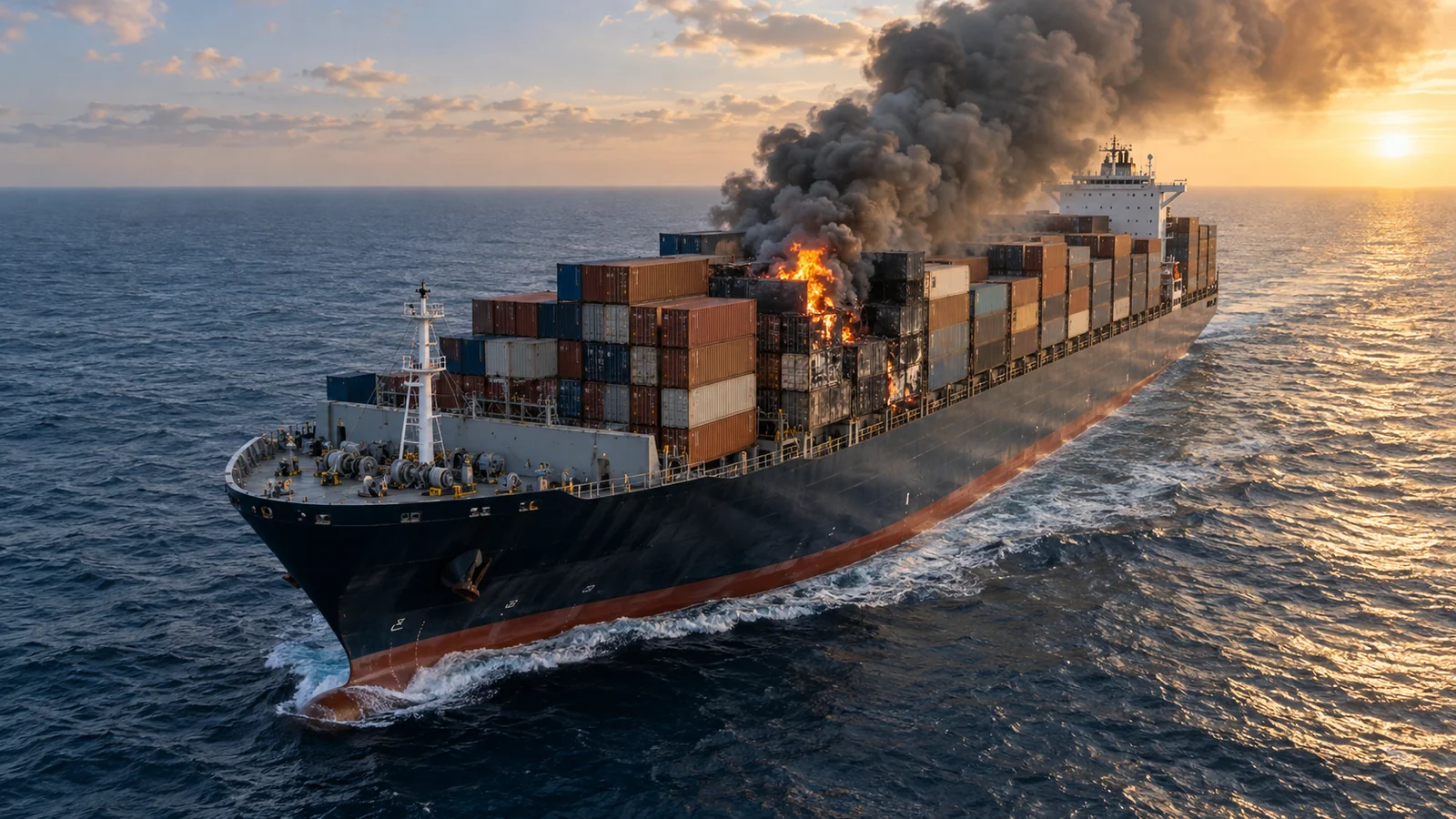
AI-generated editorial illustration.
Container ship incidents can involve the vessel, many cargo interests and shore facilities at once. Insurance needs to address those interfaces without assuming that cargo owners' policies replace the operator's responsibilities.
What should container ship insurance assess?
Assess hull and machinery, P&I liabilities, container and equipment interests, trading areas and any requested interruption or war-risk cover. Stack loss, fire and cargo misdeclaration raise different questions about cause, responsibility and policy response. The vessel operator's programme is separate from insurance arranged on individual shippers' goods.
Start with the vessel's operating system
| Exposure | Information to present |
|---|---|
| Container stowage and securing | Procedures, equipment and maintenance records |
| Cargo declarations | Controls for dangerous or misdeclared goods |
| Fire response | Relevant systems, training and inspection evidence |
| Equipment interests | Ownership or leasing of containers and related assets |
IMO's safe-container-transport overview discusses safety concerns including undeclared or misdeclared cargo. The separate verified gross mass guidance is an operational reference, not an insurance coverage certificate.
A fictional container fire
A fire damages vessel structure and neighbouring cargo. The investigation may involve the origin of the fire, cargo declarations, stowage, response and contractual relationships. One event does not mean all losses are paid under one policy or that the first suspected cargo is conclusively responsible.
Preserve booking data, declarations, stowage plans, alarm records and communications. Coordinate the protection of evidence with emergency and safety needs. Avoid presenting an early hypothesis as a final cause in a claim submission.
Describe the fleet and equipment accurately
For underwriting, provide vessel values, capacity, routes, class, management, claims history and relevant safety controls. Explain leased or owned container interests and whether the business also acts as a logistics or terminal operator. Those additional activities can change the liability enquiry.
Ask about cargo liability, container loss, collision, pollution, wreck removal and contractual obligations. Damage to the ship, damage to cargo and loss of a leased container may require different sections or cover. Check deductibles and limits for each relevant interest.
Treat delay as a separate question
A casualty may cause schedule disruption, port costs and customer claims. Ordinary delay or commercial penalties are not automatically covered by hull or cargo insurance. If income protection is requested, the trigger and calculation require their own assessment.
Following an incident, notify relevant insurers promptly and preserve recovery rights. Keep vessel repair costs, cargo demands, equipment claims and mitigation expenses separately identified so each can be reviewed against the correct wording.
Read what ship insurance covers and P&I fundamentals. Explore fleet cover enquiries and submit the container ship operation, including any container leasing or shore-side activities.
Key takeaways
- Assess hull and machinery, P&I liabilities, container and equipment interests, trading areas and any requested interruption or war-risk cover.
- No. Vessel property, cargo interests and liabilities are distinct; a serious incident can involve several policies and parties.
Frequently asked questions
What should container ship insurance assess?
Assess hull and machinery, P&I liabilities, container and equipment interests, trading areas and any requested interruption or war-risk cover. Stack loss, fire and cargo misdeclaration raise different questions about cause, responsibility and policy response. The vessel operator's programme is separate from insurance arranged on individual shippers' goods.
Does a container ship's hull policy insure every cargo owner?
No. Vessel property, cargo interests and liabilities are distinct; a serious incident can involve several policies and parties.
Sources & further reading
General information, not a coverage determination or offer. Actual cover is subject to policy wording, insurer terms, underwriting and applicable law.