
Offshore Vessel Insurance: Contracts, DP and Specialist Work
Offshore vessel insurance must consider specialist operations, contractual allocation of liability, equipment and operational systems alongside hull and P&I interests.
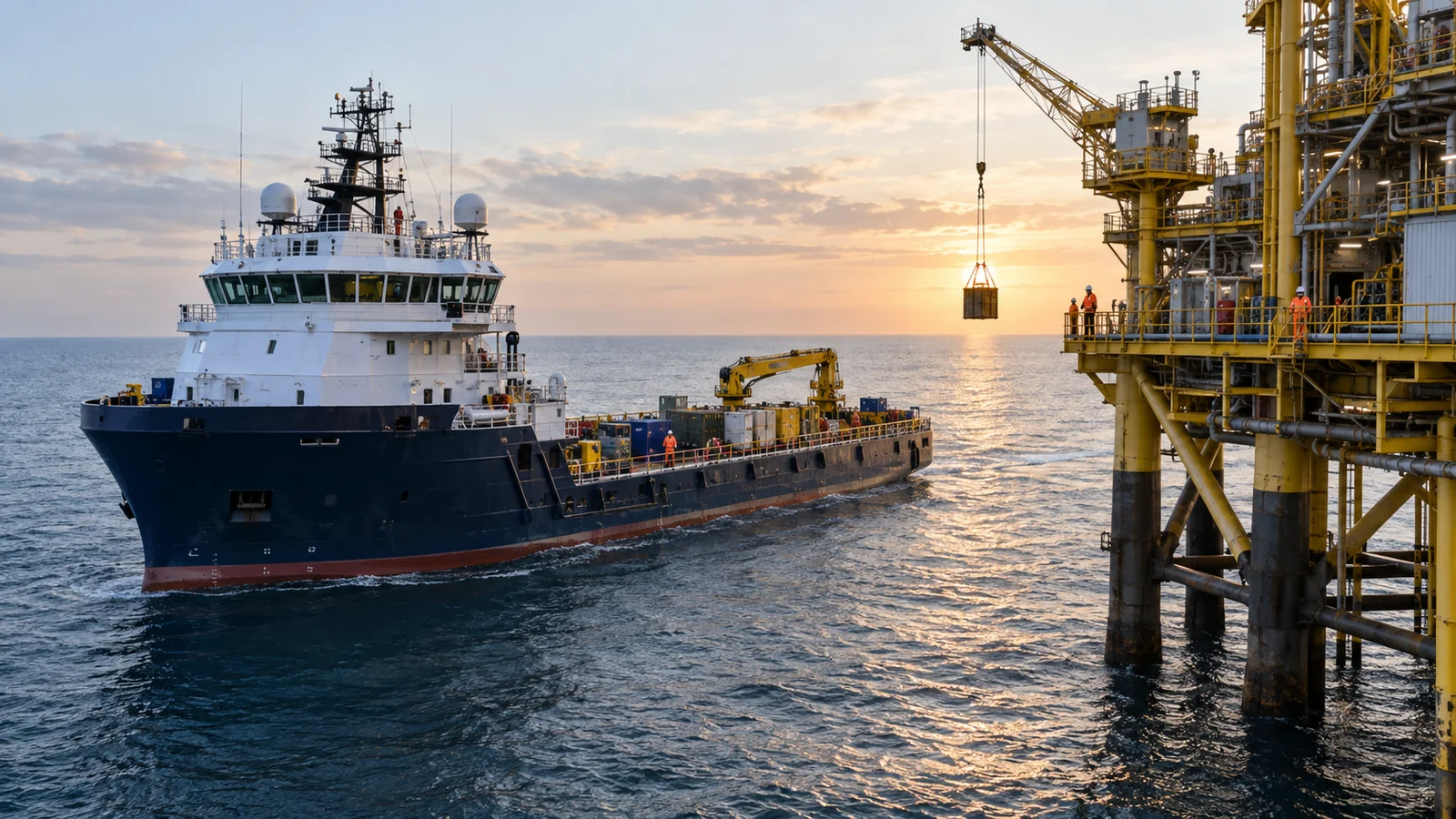
AI-generated editorial illustration.
An offshore vessel may supply stores one week and support construction or subsea work the next. Insurance assessment needs the work scope and contract, not just the vessel type and tonnage.
What makes offshore vessel insurance different?
Offshore vessel insurance must consider specialist operations, contractual allocation of liability, equipment and operational systems alongside hull and P&I interests. Dynamic positioning, lifting, diving support or subsea work may introduce distinct exposures. Standard vessel cover should not be assumed to address every specialist activity or liability accepted in an offshore contract.
Present a work-scope matrix
| Operation | Question for review |
|---|---|
| Supply work | Which cargo and contractual liabilities arise? |
| Construction support | Are specialist-operation limitations relevant? |
| Subsea deployment | Who owns the equipment and bears loss during use? |
| Personnel transfer | Which people and methods are within the insured operation? |
Gard's specialist-operations guidance shows why such work can involve limitations under P&I rules. That is a provider-specific reference; the actual entry and any additional cover must be reviewed for your vessel.
A fictional change of assignment
A support vessel is asked to assist a cable installation project under a new contract. The operator should disclose the scope, equipment, location, expected duration and contractual responsibilities. An existing supply-vessel description may not answer damage to the project or equipment being worked upon.
Obtain a review before agreeing unusual indemnities. Keep the full contract and amendments, not only the customer's insurance schedule. A requirement to carry insurance does not establish that the requested liability is insurable on the proposed terms.
Explain operational controls without claiming certainty
For underwriting, provide vessel specifications, class, relevant dynamic-positioning records, maintenance, crew competence, work procedures, equipment ownership, contracts and loss experience. Explain defects, limitations or proposed changes openly.
Technical capability and insurance acceptance are separate decisions. The insurer does not certify the safety of a DP operation, lift or subsea task. Operational planning remains with competent personnel and the applicable standards.
Review property and contractual boundaries
Ask about damage to the vessel, client property, the work itself, subsea equipment, pollution and loss of use. Knock-for-knock arrangements need to be understood in their actual wording and governing law; the label does not establish universal enforceability or insurance response.
Following an incident, preserve system logs, work instructions, contract records and equipment data. Notify relevant insurers and seek advice before admitting liability or agreeing repair responsibility. Separate operational facts from preliminary causal theories.
Read ship insurance fundamentals and P&I cover. Explore hull enquiries and contact the team about offshore operations with the work-scope matrix and proposed contract.
Key takeaways
- Offshore vessel insurance must consider specialist operations, contractual allocation of liability, equipment and operational systems alongside hull and P&I interests.
- Check the declared activities and exclusions, including any separate treatment of construction, diving, lifting or other specialist operations.
Frequently asked questions
What makes offshore vessel insurance different?
Offshore vessel insurance must consider specialist operations, contractual allocation of liability, equipment and operational systems alongside hull and P&I interests. Dynamic positioning, lifting, diving support or subsea work may introduce distinct exposures. Standard vessel cover should not be assumed to address every specialist activity or liability accepted in an offshore contract.
Does an offshore vessel policy automatically include specialist work?
Check the declared activities and exclusions, including any separate treatment of construction, diving, lifting or other specialist operations.
Sources & further reading
General information, not a coverage determination or offer. Actual cover is subject to policy wording, insurer terms, underwriting and applicable law.