

Compliance
HS Codes for Shipping: Correct Classification Before a Customs Hold
Start with an accurate technical description of the goods and the importing or exporting jurisdiction's current tariff guidance.
Read guide
Marine insurance guides, shipping risk insights and practical information for vessel owners, operators and cargo businesses.
Showing 21–40 of 150 blogs · Page 2 of 8
Start with an accurate technical description of the goods and the importing or exporting jurisdiction's current tariff guidance.
Read guide
Under Incoterms 2020, the default insurance requirements differ: CIF retains a minimum based on Institute Cargo Clauses (C), while CIP generally requires Clauses (A) or similar cover, unless the parties agree otherwise.
Read guide
Compare who arranges carriage, who must arrange insurance under the agreed sale term and where risk transfers.
Read guide

Verify the carrier's actual release procedure, the authority of the party giving instructions and the identity of the intended consignee.
Read guide
The document type affects how carriage is evidenced and how delivery authority is established.
Read guide
Maersk's notice announces a valid Movement Reference Number requirement for relevant ICS2 cargo before loading, effective from 30 September 2026 under its stated scope.
Read guide
Establish who files the required Entry Summary Declaration information, what data each party supplies and how acceptance or error messages are monitored.
Read guide

Check the campaign's scope and prepare evidence that the vessel's cargo-securing arrangements, equipment, records and crew familiarity match its actual operation.
Read guide
Determine which amended requirements apply to the vessel, construction date and vehicle or ro-ro spaces, then connect the technical assessment to training, maintenance and operating records.
Read guide
Identify the firefighting media actually carried, the applicable 2026 prohibition and survey timing, and the evidence required by the flag Administration or authorised surveyor.
Read guide
Use the current applicable IMDG requirements to classify, document, pack and offer dangerous goods for sea transport, and obtain the carrier's acceptance for the actual shipment.
Read guide
IMO amendments effective from 1 January 2026 introduced mandatory reporting requirements for lost freight containers.
Read guide
Check the vessel's applicable obligations, verified fuel and emissions evidence, responsible entities and any proposed flexibility arrangement.
Read guide
For shipping within the applicable EU ETS scope, distinguish the emissions year from the later allowance-surrender year.
Read guide
Cover the full handover from vessel or terminal to warehouse: who receives the cargo, where it can be stored, how instructions are changed and which records remain available.
Read guide
Use current official weather and port instructions alongside the carrier's shipment notice, then review cargo readiness, terminal cut-offs, storage and onward connections.
Read guide
Confirm the affected terminal, service and dates, then identify where the goods will remain and what alternatives are actually available.
Read guide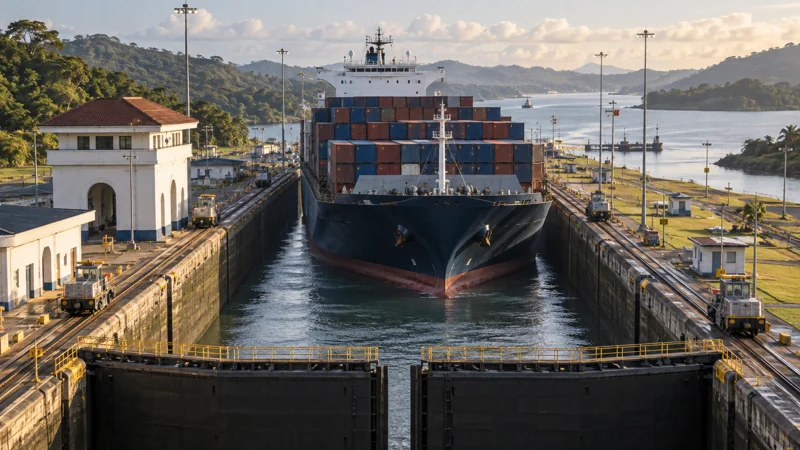
Separate a vessel's reservation position, applicable draft restrictions, expected transit timing and the cargo's own delivery requirements.
Read guide